

 Preview
 Send
Send Share
Share
 Details

 Download
 Similars
 X-Ray
X-Ray Diaporama
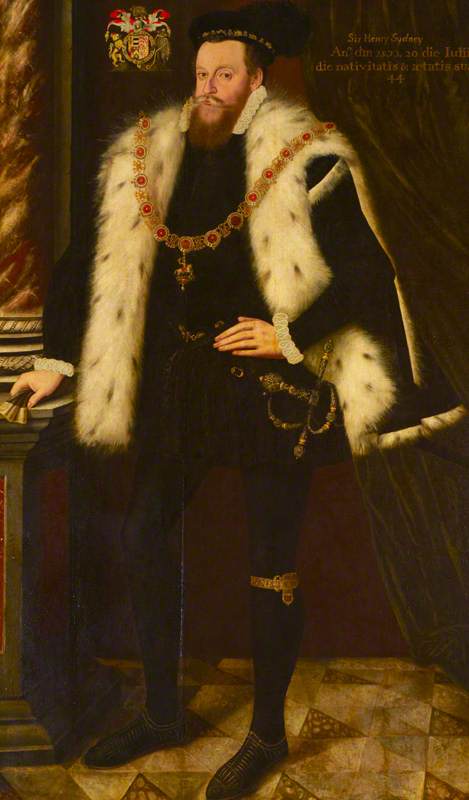
Sir Henry Sidney (1529–1586), KG
 1573
1573 202.0 x 122.0 cm
 Read More
Purchase a high-resolution, enhanced digital image, far superior to the online preview.
Each file is meticulously prepared by our in-house specialists using advanced tools and expert manual retouching. We ensure every image has exceptional clarity, precise color accuracy, and fine detail.
The final file is delivered via email within 72 hours, optimized for immediate use in professional, editorial, and print environments. This is the same quality trusted by top-tier design studios, publishers, and galleries.
Digital Image
Download a high-resolution file for personal display, printing, and creative projects. ( Buy Print Buy Hand Made Painting)
Included in Every Digital Image Order
Expert Digital Delivery, Guaranteed
When you choose ArtsDot.com, you're not just getting an image - you're receiving a professionally enhanced digital artwork, crafted with precision and backed by a satisfaction guarantee. Here's everything that comes with your order, automatically:

Fast Email Delivery
Your high-resolution digital image file will be emailed to you within 72 hours of ordering - ready for immediate use.

AI-Enhanced Digital File
Your artwork is professionally optimized using advanced AI tools and manual editing, ensuring maximum detail, clarity, and color accuracy.

Free Lifetime Re-Delivery
Accidentally deleted or lost your file? No worries - we'll resend it to you anytime, free of charge.

No Import Fees - Ever
Enjoy your artwork instantly with zero customs, duties, or delivery fees - digital downloads are always tax-free.

Color Accuracy Guarantee
We ensure your digital image reflects the original colors as closely as possible using professional tools and color management.

60-Day Satisfaction Guarantee
If you're not satisfied with your digital image, we'll revise it or refund 100% within 60 days - no questions asked.

100% Money-Back Guarantee
Not satisfied? Get a full refund within 60 days of receiving your digital file - no questions asked.

Bulk Order Discounts
Buy 3 images, save 10% - Buy 5, save 15% - Buy 10+, save 20%. Great for creative projects, galleries, and agencies.
Related Artworks
Artist Biography
A Glimpse into the Courtly World of Arnold Bronckhorst
Arnold Bronckhorst, a name perhaps less familiar than his contemporaries yet one deeply interwoven with the vibrant tapestry of 16th-century Scottish art and politics, emerges as a fascinating figure when we delve into the court of James VI. Born in 1565, this Flemish painter arrived in Scotland during a period of intense cultural exchange and royal ambition, quickly establishing himself as a favored portraitist. While biographical details remain scarce – a common fate for artists serving within aristocratic circles – his surviving works offer compelling insights into his skill, style, and the world he inhabited. Bronckhorst wasn’t merely documenting faces; he was crafting images of power, lineage, and aspiration in a nation striving to define its identity on the European stage. His brief but impactful career, cut short by his death in 1583, left an indelible mark on Scottish portraiture, bridging Northern artistic traditions with the refined techniques of the Renaissance.From Flanders to Edinburgh: Early Life and Artistic Training
The early life of Arnold Bronckhorst remains shrouded in some mystery. We know he hailed from Flanders – a region renowned for its burgeoning artistic scene during the 16th century, particularly in portraiture. The precise details of his training are undocumented, but it’s reasonable to assume he benefited from the workshops and stylistic influences prevalent in cities like Antwerp or Bruges. These centers were hubs of innovation, where artists mastered realism, meticulous detail, and a growing interest in psychological depth within their depictions. It was likely this established skill set that drew James VI's attention, leading to Bronckhorst’s invitation to Scotland around 1580. The Scottish court, eager to emulate the grandeur of other European monarchies, actively sought talented artisans from abroad. His arrival coincided with a period of relative stability following decades of internal conflict, allowing for increased investment in artistic endeavors and the cultivation of a more sophisticated visual culture.The Painter of Kings: Bronckhorst at the Scottish Court
Upon his arrival in Edinburgh, Arnold Bronckhorst swiftly became integral to James VI’s courtly life. His primary function was as a portraitist, tasked with creating images of the King himself, members of the royal family, and prominent nobles. These weren't simply likenesses; they were carefully constructed statements of authority and legitimacy. Bronckhorst’s portraits are characterized by their formality, rich detail in clothing and jewelry – symbols of status and wealth – and a restrained elegance that reflects the influence of Northern Renaissance portraiture. He employed techniques like layering glazes to achieve luminous skin tones and meticulously rendered fabrics to convey texture and opulence. His work stands apart from earlier Scottish portraiture, which often lacked the same level of realism and psychological nuance. Beyond portraits, Bronckhorst is believed to have been involved in decorative projects within the royal palaces, further solidifying his position as a valued court artist. The King’s patronage provided him with access to the highest echelons of Scottish society and allowed him to shape the visual representation of the monarchy.Style and Influences: A Fusion of Traditions
Bronckhorst's artistic style represents a compelling fusion of Flemish realism and emerging Renaissance trends. His portraits demonstrate a keen eye for detail, inherited from his training in Flanders, evident in the precise rendering of facial features, elaborate costumes, and symbolic objects. However, he also incorporated elements of Italian portraiture – particularly the emphasis on idealized forms and balanced compositions – which were gaining popularity throughout Europe. The influence of artists like Titian and Bronzino can be subtly detected in his work, though filtered through a distinctly Northern sensibility. He skillfully adapted these influences to suit the tastes of the Scottish court, creating portraits that were both elegant and dignified.- Emphasis on detailed rendering of fabrics and jewelry.
- Restrained color palettes with subtle gradations of tone.
- Formal poses and compositions designed to convey authority.
- A growing interest in psychological depth, though still relatively restrained compared to later portraiture.
Legacy and Historical Significance: A Lasting Impression on Scottish Art
Arnold Bronckhorst’s career was tragically short-lived; his death in 1583 brought an end to a promising artistic journey. Despite the brevity of his time in Scotland, his impact on Scottish portraiture was profound. He introduced new techniques and stylistic conventions that elevated the quality and sophistication of royal imagery. His portraits served as models for subsequent generations of Scottish artists, influencing the development of a distinct national style. Moreover, Bronckhorst’s work provides invaluable insights into the court of James VI – offering glimpses into the lives, aspirations, and power dynamics of the era. His paintings are not merely artistic masterpieces; they are historical documents that illuminate a pivotal moment in Scottish history. While his name may not be as widely recognized as some of his contemporaries, Arnold Bronckhorst remains a crucial figure in understanding the evolution of art and culture within 16th-century Scotland, a testament to the enduring power of portraiture to shape perceptions and preserve legacies.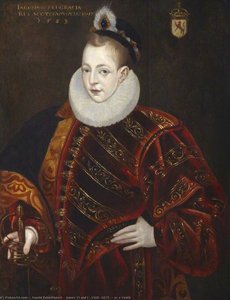
arnold bronckhorst
1565 - 1583
Quick Facts
- Artistic Movement Or Style: Renaissance Portraiture
- Artists Or Movements Influenced By This Artist: ['Scottish Art History']
- Artists Who Influenced This Artist: ['Nicholas Hilliard']
- Date Of Death: 1583
- Full Name: Arnold Bronckhorst
- Nationality: Netherlandish
- Notable Artworks: ['James VI Portraits']
- Place Of Birth: Amsterdam

