

 Preview
 Send
Send Share
Share
 Details

 Download
 Similars
 X-Ray
X-Ray Diaporama
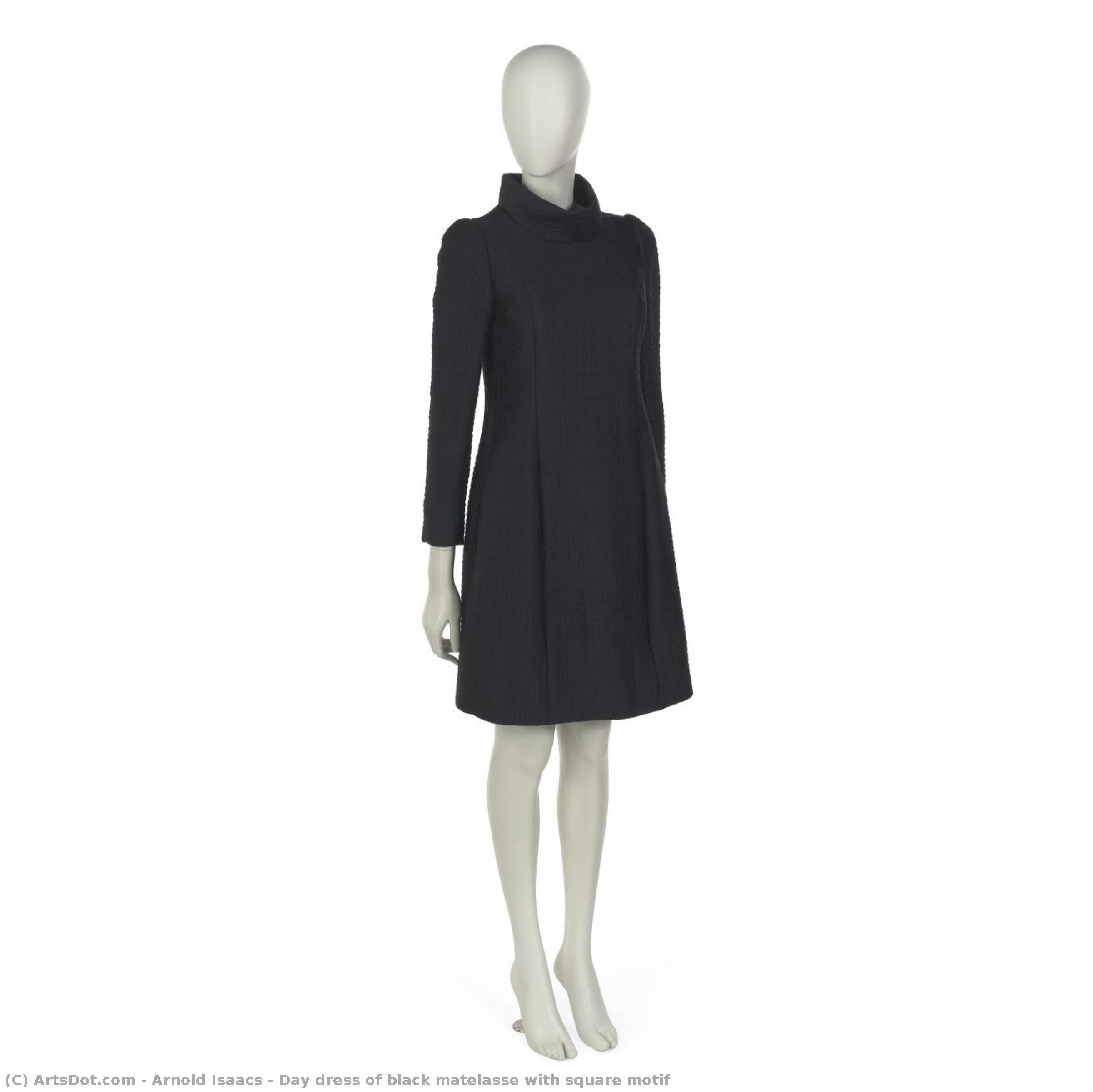
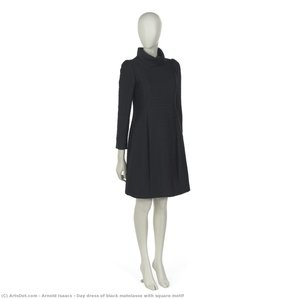
Day dress of black matelasse with square motif


 Read More
Purchase a high-resolution, enhanced digital image, far superior to the online preview.
Each file is meticulously prepared by our in-house specialists using advanced tools and expert manual retouching. We ensure every image has exceptional clarity, precise color accuracy, and fine detail.
The final file is delivered via email within 72 hours, optimized for immediate use in professional, editorial, and print environments. This is the same quality trusted by top-tier design studios, publishers, and galleries.
Digital Image
Download a high-resolution file for personal display, printing, and creative projects. ( Buy Print Buy Hand Made Painting)
Included in Every Digital Image Order
Expert Digital Delivery, Guaranteed
When you choose ArtsDot.com, you're not just getting an image - you're receiving a professionally enhanced digital artwork, crafted with precision and backed by a satisfaction guarantee. Here's everything that comes with your order, automatically:

Fast Email Delivery
Your high-resolution digital image file will be emailed to you within 72 hours of ordering - ready for immediate use.

AI-Enhanced Digital File
Your artwork is professionally optimized using advanced AI tools and manual editing, ensuring maximum detail, clarity, and color accuracy.

Free Lifetime Re-Delivery
Accidentally deleted or lost your file? No worries - we'll resend it to you anytime, free of charge.

No Import Fees - Ever
Enjoy your artwork instantly with zero customs, duties, or delivery fees - digital downloads are always tax-free.

Color Accuracy Guarantee
We ensure your digital image reflects the original colors as closely as possible using professional tools and color management.

60-Day Satisfaction Guarantee
If you're not satisfied with your digital image, we'll revise it or refund 100% within 60 days - no questions asked.

100% Money-Back Guarantee
Not satisfied? Get a full refund within 60 days of receiving your digital file - no questions asked.

Bulk Order Discounts
Buy 3 images, save 10% - Buy 5, save 15% - Buy 10+, save 20%. Great for creative projects, galleries, and agencies.
Day Dress of Black Matelasse with Square Motif – An Ode to Minimalist Elegance
The artwork "Day Dress of Black Matelasse with Square Motif" by Arnold Isaacs, created in 1969, stands as a testament to the understated beauty championed during the mid-century modern era. More than just a garment, it embodies a philosophy—a deliberate rejection of ostentation in favor of refined simplicity and meticulous craftsmanship. This piece exemplifies Isaacs’ signature style: sculptural tailoring combined with luxurious fabrics like silk matelasse, resulting in an exquisite visual experience.A Study in Geometric Form
Isaacs' masterful approach to design is immediately apparent upon observation. The dress adheres to a subtly A-line silhouette, hugging the torso at its waist before gently flaring outwards towards the hem—a classic construction that prioritizes flattering proportions without resorting to excessive embellishment. Dominating the visual landscape are geometric shapes – specifically squares – incorporated into the matelasse weave itself. These squares aren’t merely decorative; they contribute to the fabric's textural complexity and subtly reinforce its structural integrity. The repetition of these forms creates a sense of balance and order, mirroring the broader aesthetic principles of modern design. Lines are primarily straight edges defining the dress’s silhouette and the mannequin’s form. Shapes are predominantly rectangular and rounded, reflecting the structured design of the garment and the smooth surfaces of the mannequin.The Tactile Experience: Silk Matelasse Texture
The choice of silk matelasse is crucial to understanding the artwork's emotional impact. Matelasse weaving—characterized by raised ribs or cords woven into the fabric—creates a captivating tactile surface that invites exploration. Isaacs skillfully utilized this technique, elevating it beyond mere ornamentation and transforming it into an integral element of the dress’s aesthetic character. The subtle sheen of the silk catches the light, highlighting the intricate weave pattern and adding depth to the visual composition. This textural richness speaks to a desire for sensory experience—a reaction against the prevailing trend toward mass production and standardized designs.Historical Context: Minimalism Ascendant
The creation of “Day Dress of Black Matelasse with Square Motif” coincided with a period marked by significant shifts in artistic sensibilities. Following the exuberant excesses of Art Deco and Surrealism, designers like Isaacs embraced minimalism as a reaction—a conscious effort to distill form and function into their creations. Influenced by Bauhaus principles and championed by figures such as Charles James, this movement prioritized clean lines, geometric shapes, and restrained color palettes. The dress’s simplicity reflects the broader cultural preoccupation with clarity and rationality during the 1960s, capturing a spirit of elegance rooted in understated sophistication.Symbolism Beyond Decoration
While devoid of overt symbolism—there are no explicit motifs or references to mythology—the dress's geometric design carries subtle connotations of stability and harmony. The squares represent order and precision, mirroring Isaacs’ meticulous attention to detail and his commitment to upholding the highest standards of couture craftsmanship. Furthermore, the black hue itself symbolizes elegance, formality, and timelessness—a deliberate choice that underscores the enduring appeal of this iconic garment.Conclusion: An Heirloom of Style
“Day Dress of Black Matelasse with Square Motif” remains a remarkable achievement in fashion design—a beautifully crafted piece that embodies the spirit of minimalist elegance and celebrates the transformative power of texture and form. Its legacy extends beyond its aesthetic qualities, serving as an inspiration for designers seeking to convey sophistication without resorting to excess. It’s a dress destined to endure as a symbol of refined taste and timeless beauty.Related Artworks
Artist Biography
The Architect of Glamour: The Life and Legacy of Arnold Isaacs
In the shimmering tapestry of twentieth-century fashion, few names evoke the sheer opulence and structural brilliance of Arnold Isaacs, known to the world by his more melodic pseudonym, Arnold Scaasi. Born in Montreal, Canada, in 1930, Isaacs’ journey into the heart of haute couture was deeply rooted in the tactile world of his father, a furrier. This early immersion in the luxurious textures of pelt and fiber instilled in him a lifelong reverence for craftsmanship and an intuitive understanding of how fabric could be manipulated to sculpt the human form. His path from the modest beginnings of Montreal to the pinnacle of New York high society was paved with rigorous training, beginning at the Cotnoir-Capponi School of Design and culminating in the prestigious halls of the Chambre Syndicale de la Haute Couture Parisienne in Paris. It was here that he absorbed the sacred traditions of French elegance, a foundation that would later allow him to blend Parisian sophistication with a distinctly American sense of drama.
The evolution of Isaacs’ artistry was profoundly shaped by his encounter with the legendary Charles James. Working alongside the master of sculptural tailoring, Isaacs learned the secrets of architectural construction—how a seam could create a silhouette and how weight could be balanced to achieve effortless grace. This period of apprenticeship was transformative, teaching him that a garment was not merely clothing, but a structural feat of engineering. As he transitioned into his own career, he famously adopted the name Scaasi to lend an air of Italian flair to his burgeoning brand, a move that coincided with his rise as a formidable force in the American fashion scene. By 1953, his ready-to-wear line had already begun to capture the imagination of critics, and by 1962, he was honored with the prestigious Coty American Fashion Critics' Award, a milestone that signaled his arrival as a titan of the industry.
A Symphony of Sequins and Silk
To examine the work of Arnold Scaasi is to witness a masterclass in the use of light, texture, and movement. His design philosophy was often a captivating duality: he could pivot from the minimalist elegance of a structured day dress to the breathtaking extravagance of an evening gown encrusted with thousands of hand-sewn sequins. One might look upon his 1969 creation, a day dress of black matelasse with a square motif, and see a rejection of ostentation in favor of geometric precision and subtle tactile complexity. Yet, in his couture salon, he was equally capable of conjuring pure magic through the use of feathers, fur, and fine embroidery, creating pieces that seemed to vibrate with energy under the ballroom lights.
His technical prowess was most famously displayed during moments of global cultural significance. The world watched in awe when Barbra Streisand appeared at the 41st Academy Awards wearing his sheer overblouse and pants ensemble—a daring, modern silhouette that instantly transformed him into a household name. This ability to marry the avant-garde with the wearable allowed him to become the preferred couturier for an extraordinary roster of women who defined an era:
- The First Ladies: He possessed a unique gift for dressing the most influential women in America, creating dignified yet glamorous ensembles for Mamie Eisenhower, Barbara Bush, Hillary Clinton, and Laura Bush.
- Hollywood Icons: His designs provided the cinematic glamour required by legends such as Elizabeth Taylor, Joan Crawford, Lauren Bacall, and Catherine Deneuve.
- Socialites and Celebrities: From the high-society elegance of Brooke Astor to the contemporary edge of Ivana Trump, his work bridged the gap between old-world prestige and modern celebrity culture.
Historical Significance and Enduring Influence
The historical importance of Arnold Isaacs lies in his role as a bridge between the rigid traditions of mid-century couture and the more liberated, expressive fashion of the late twentieth century. He did not merely follow trends; he constructed them through a meticulous attention to detail that honored the heritage of the House of Paquin while embracing the bold, often theatrical demands of the jet-set era. His work remains a testament to the idea that fashion is a form of wearable art—a medium capable of conveying status, personality, and even political grace.
Even as the fashion landscape shifted toward more casual aesthetics, the legacy of Scaasi’s craftsmanship endured. He remained a steadfast believer in the power of the "total look," where every element, from the weight of a silk sash to the placement of a fabric rose, contributed to a cohesive narrative of luxury. Though he passed away in 2015, his influence persists in the way we perceive the intersection of sculpture and textile. He taught the world that true elegance is never accidental; it is meticulously planned, expertly tailored, and executed with an unwavering commitment to the sublime.
arnold isaacs
1930 - 2015 , Canada
Quick Facts
- Artistic Movement Or Style: Fashion Design
- Artists Or Movements Influenced By This Artist: ['Couture']
- Artists Who Influenced This Artist: ['Charles James']
- Date Of Birth: Montreal, Canada (1930)
- Date Of Death: 2015
- Full Name: Arnold Isaacs
- Nationality: Canadian
- Notable Artworks:
- Day dress of black matelasse with square motif
- Dress with allover black sequins and white fabric rose at waist
- Coat in tan sheared otter worn by Arlene Francis in
- Place Of Birth: Montreal, Quebec, Canada

