

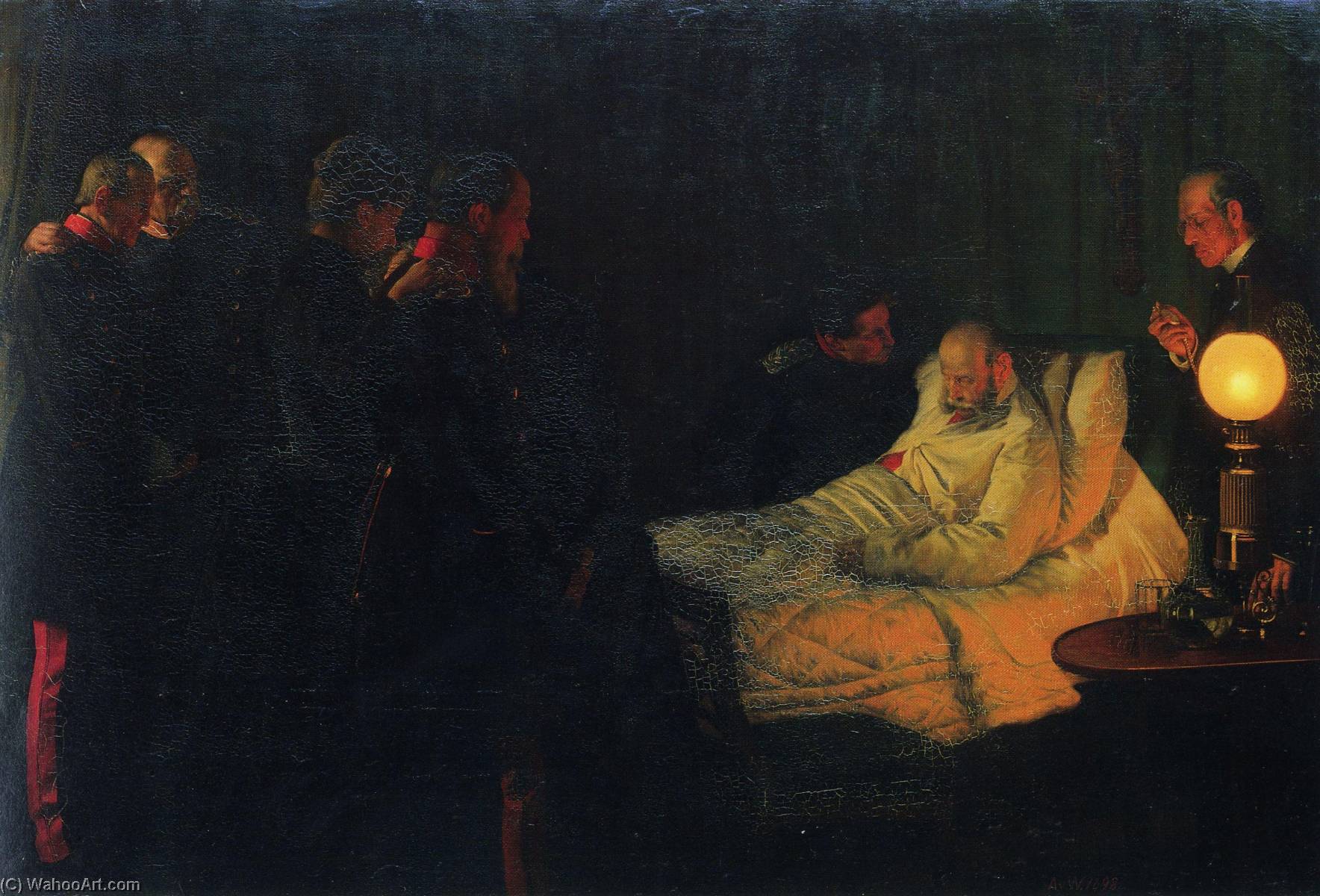
 Preview
 Send
Send Share
Share
 Details

 Download
 Similars
 X-Ray
X-Ray Diaporama
Untitled (AS7CPZ)


 Read More
Purchase a high-resolution, enhanced digital image, far superior to the online preview.
Each file is meticulously prepared by our in-house specialists using advanced tools and expert manual retouching. We ensure every image has exceptional clarity, precise color accuracy, and fine detail.
The final file is delivered via email within 72 hours, optimized for immediate use in professional, editorial, and print environments. This is the same quality trusted by top-tier design studios, publishers, and galleries.
Digital Image
Download a high-resolution file for personal display, printing, and creative projects. ( Buy Print Buy Hand Made Painting)
Included in Every Digital Image Order
Expert Digital Delivery, Guaranteed
When you choose ArtsDot.com, you're not just getting an image - you're receiving a professionally enhanced digital artwork, crafted with precision and backed by a satisfaction guarantee. Here's everything that comes with your order, automatically:

Fast Email Delivery
Your high-resolution digital image file will be emailed to you within 72 hours of ordering - ready for immediate use.

AI-Enhanced Digital File
Your artwork is professionally optimized using advanced AI tools and manual editing, ensuring maximum detail, clarity, and color accuracy.

Free Lifetime Re-Delivery
Accidentally deleted or lost your file? No worries - we'll resend it to you anytime, free of charge.

No Import Fees - Ever
Enjoy your artwork instantly with zero customs, duties, or delivery fees - digital downloads are always tax-free.

Color Accuracy Guarantee
We ensure your digital image reflects the original colors as closely as possible using professional tools and color management.

60-Day Satisfaction Guarantee
If you're not satisfied with your digital image, we'll revise it or refund 100% within 60 days - no questions asked.

100% Money-Back Guarantee
Not satisfied? Get a full refund within 60 days of receiving your digital file - no questions asked.

Bulk Order Discounts
Buy 3 images, save 10% - Buy 5, save 15% - Buy 10+, save 20%. Great for creative projects, galleries, and agencies.
Related Artworks

Artist Biography
A Life Dedicated to Sonic Innovation
Arnold Schoenberg, born in Vienna on September 13, 1874, was a figure who irrevocably altered the course of 20th-century music. His journey wasn't one of seamless acceptance; rather, it was marked by relentless exploration, defiant innovation, and periods of profound personal upheaval. Schoenberg’s early life offered little indication of the revolutionary path he would forge. He was largely self-taught as a musician, initially learning violin and composing independently before receiving formal instruction. The bustling cultural landscape of Vienna during his youth—a city steeped in the traditions of Brahms and Wagner—provided both inspiration and a framework against which he would eventually rebel. His initial compositions demonstrated a clear debt to these masters, particularly in their lush harmonies and expansive forms, yet even early works hinted at an underlying restlessness, a desire to push beyond established boundaries. The loss of his father when Schoenberg was still young instilled a sense of responsibility that led him briefly into banking, but the pull of music proved too strong to resist. He continued composing and teaching, slowly building a reputation as a talented, if unconventional, composer.The Second Viennese School and Atonality’s Birth
A pivotal moment arrived with Schoenberg's association with other forward-thinking composers in Vienna: Alban Berg and Anton Webern. Together, they formed what became known as the “Second Viennese School,” a collective dedicated to exploring new musical territories. This period witnessed Schoenberg’s radical departure from traditional tonality—the system of harmony that had governed Western music for centuries. He began experimenting with atonality, abandoning the conventional hierarchies of pitch and creating compositions where no single key held dominance. This was not merely an academic exercise; it was a profound aesthetic shift driven by a belief that tonal structures had become exhausted, unable to express the complexities of modern experience. The premiere of his String Quartet No. 2 in 1908 sparked outrage among audiences accustomed to more conventional sounds. Critics dismissed it as dissonant and chaotic, but Schoenberg remained undeterred, convinced that he was charting a new course for music. This commitment to innovation extended beyond harmony; he explored unconventional forms and instrumentation, further challenging the expectations of his listeners.Serialism: A System of Order from Chaos
The years following World War I saw Schoenberg develop his most significant contribution to musical technique: serialism, also known as the twelve-tone method. This system involved organizing all twelve notes of the chromatic scale into a predetermined series, or “row,” which then served as the basis for the entire composition. The row was not simply a melodic fragment; it dictated every aspect of the music—pitch, rhythm, dynamics, and articulation. Serialism provided Schoenberg with a framework for creating atonal music that was both structurally coherent and emotionally expressive. It wasn’t about eliminating emotion, but rather channeling it through a new set of rules. While initially met with skepticism, serialism would profoundly influence generations of composers, becoming a defining characteristic of avant-garde music in the post-war era. Schoenberg's dedication to this method was not merely technical; he believed it offered a path towards objectivity and universality in music, transcending subjective preferences and cultural biases.Exile and Legacy
The rise of Nazism forced Schoenberg into exile in 1938. As a Jewish composer, his work was denounced as “degenerate” by the Nazi regime, and he fled Austria for the United States, settling in Los Angeles. Despite finding refuge in America, Schoenberg struggled to gain widespread recognition during his later years. He continued composing, exploring new avenues within serialism and revisiting earlier forms, but his music remained largely outside the mainstream. His final compositions, including *A Survivor from Warsaw*, reflect the trauma of war and persecution, offering a poignant testament to the human spirit's resilience. Arnold Schoenberg died on July 13, 1951, leaving behind a body of work that continues to challenge, provoke, and inspire. He is remembered not only as a composer but also as a visionary theorist and educator who fundamentally reshaped our understanding of music. His influence can be heard in the works of countless composers, from Pierre Boulez and Karlheinz Stockhausen to John Cage and beyond. Schoenberg’s legacy lies in his unwavering commitment to artistic integrity, his willingness to break with tradition, and his profound belief in the power of music to express the complexities of the modern world.- Key Contributions: Atonality, Serialism (Twelve-Tone Technique)
- Influenced Composers: Alban Berg, Anton Webern, Pierre Boulez, Karlheinz Stockhausen
- Notable Works: *Verklärte Nacht*, String Quartet No. 2, *Pierrot Lunaire*, *A Survivor from Warsaw*
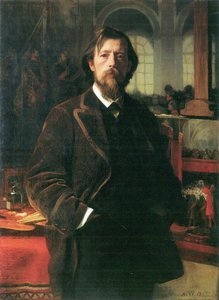
Arnold Schoenberg
1843 - 1915 , Germany
Quick Facts
- Artistic Movement Or Style: Serialism, Atonality
- Artists Or Movements Influenced By This Artist:
- Anton Webern
- Alban Berg
- Pierre Boulez
- Karlheinz Stockhausen
- Artists Who Influenced This Artist: ['Gustav Mahler']
- Date Of Birth: September 13, 1874
- Date Of Death: July 13, 1951
- Full Name: Arnold Schoenberg
- Nationality: Austrian-American
- Notable Artworks:
- Suite, op. 29
- Music Typewriter
- Staffliner
- Place Of Birth: Vienna, Austria

