 Preview
 Send
Send Share
Share
 Details

 Download
 Similars
 X-Ray
X-Ray Diaporama
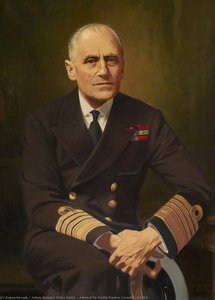
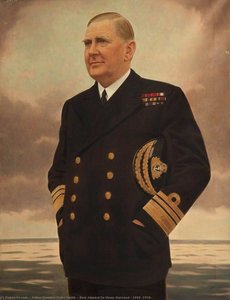
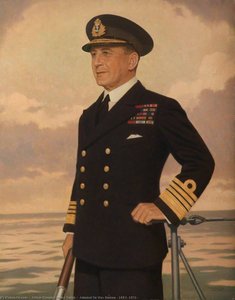
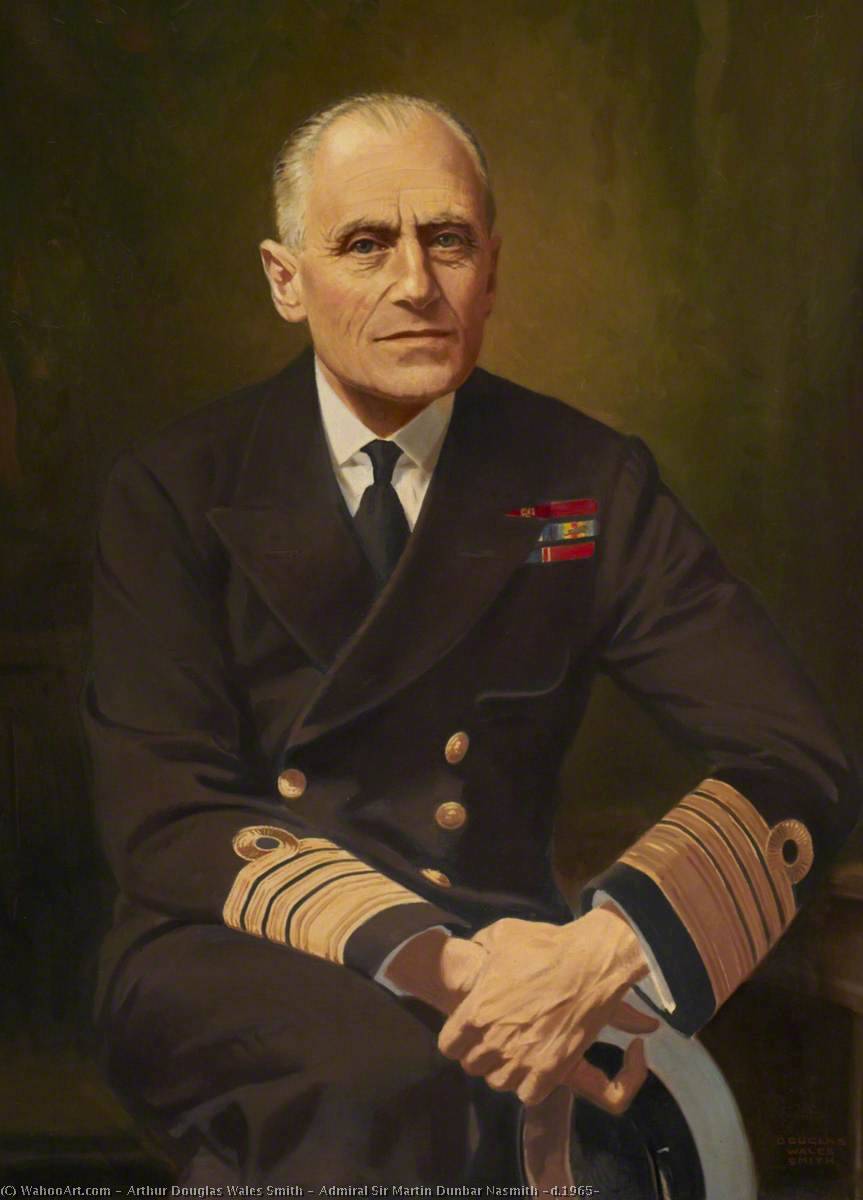
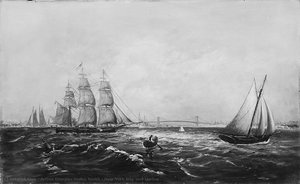
Admiral Sir Martin Dunbar Nasmith (d.1965)
 102.0 x 76.0 cm
 Read More
Giclée / Art Print
Museum-quality giclée or canvas print with fast production and flexible finish options. ( Buy Hand Made Painting Buy Image)




































Pick from our preset sizes that match the artwork's original proportions.

You may enter your own dimensions to fit a specific frame or space. If your selected size does not match the original image's proportions, we will either crop the artwork or extend the image with a mirrored or solid-fill edge. A digital mockup will be sent for your approval before production begins.
Please note that the on-screen preview does not reflect the actual cropping or extension. Only the mockup will accurately show the final composition.
While custom sizes are available, we recommend selecting a dimension from the predefined list to preserve the original proportions.
Worldwide Delivery () in 2 weeks instead of standard 4/5 weeks. (27 August)

Free Worldwide Express Shipping

High-Quality Linen Canvas

Full Shipping Insurance

Customs Tax Refund Guarantee

True Color Matching Guarantee

60-Day Return Policy (Defects Only)

100% Money-Back Guarantee

Bulk Discount Offer
 Glass option is only available in size under 110 CM

Admiral Sir Martin Dunbar Nasmith (d.1965)
Giclée / Art Print
Reproduction Size
-


Total Price
$ 63
Related Artworks









Artist Biography
The Visionary of the Welsh Landscape
Arthur Douglas Wales Smith, a name that resonates with the quiet strength of the British landscape, was an artist whose life journey was as varied and evocative as his canvases. Born in 1888 in the mist-shrouded hills of Darjeeling, India, to missionary parents, his earliest memories were steeped in the vibrant colors and mythic atmospheres of an exotic terrain. This formative exposure to diverse landscapes and the deep-seated folklore of his childhood would later become the spiritual bedrock of his artistic vision. Though he spent significant portions of his life navigating the disciplined world of the Royal Navy—having been educated aboard HMS Britannia and serving for twenty-five years—it was within the realm of fine art that he truly found his voice, translating the rhythms of nature into a profound visual language.
His artistic development was marked by a unique blend of self-taught intuition and formal exposure. While some accounts suggest he honed his skills through the rigorous observation required by his maritime life, his work reflects a deep connection to the traditions of British Romanticism and Celtic Art. Smith possessed an uncanny ability to move beyond mere topographical accuracy, seeking instead to capture the anima of the places he painted. His canvases are not merely depictions of scenery; they are windows into a world where the physical landscape meets the spiritual realm. Through his use of luminous color palettes and meticulous detail, he imbued the rugged Cornish coastline and the rolling Welsh countryside with a sense of ancient, enduring presence.
Symbolism and the Spirit of Place
What distinguishes Smith from many of his contemporaries was his profound use of symbolic imagery to tell stories of the land. He did not simply paint the sea or the hills; he painted the legends that resided within them. His work often features recurring motifs that evoke a sense of deep time and cultural heritage, such as:
- Celtic Spirals: Intricate patterns that suggest the eternal cycle of nature and the interconnectedness of all living things.
- Standing Stones: Ancient sentinels that anchor his landscapes in a prehistoric, mystical past.
- Shifting Light and Sea: The use of atmospheric light to convey the ephemeral moods of the coast, suggesting the presence of unseen spirits.
This symbolic depth allowed him to create works that felt both intimately familiar and hauntingly otherworldly. His time in Cornwall, particularly near Lizard Point, provided a sanctuary where he could explore these themes. The rugged cliffs and turbulent waters served as the perfect stage for his explorations of light and shadow, allowing him to capture the shifting moods of the Atlantic with breathtaking accuracy. In his hands, a simple seascape becomes a meditation on the sublime, inviting the viewer to contemplate the vastness and mystery of the natural world.
Legacy and Artistic Significance
Throughout much of his life, Arthur Douglas Wales Smith remained a largely unrecognized figure, working away from the frantic centers of the art world. However, his contributions to British landscape painting have seen a significant resurgence in appreciation. His ability to marry the technical demands of watercolor and oil painting with an underlying spiritual resonance has earned him a place among the pivotal figures of 20th-century landscape art. Having exhibited at prestigious institutions such as the Royal Academy, the Royal Scottish Academy, and the Paris Salon, his work carries a weight of historical importance that transcends simple decoration.
The significance of Smith's oeuvre lies in its ability to bridge the gap between realism and romanticism. He captured the tangible reality of the British Isles—the textures of stone, the spray of salt, the verdant greens of the valleys—while simultaneously layering these elements with a sense of mythic importance. Today, as collectors and historians look back upon his body of work, they find an artist who was not merely a chronicler of scenery, but a poet of the earth, leaving behind a legacy that continues to inspire awe and reflection in all who encounter his luminous visions.
arthur douglas wales smith
1888 - 1966
Quick Facts
- Artistic Movement Or Style: Romanticism Wales
- Date Of Birth: 20 January 1888
- Full Name: Arthur Douglas Wales Smith
- Nationality: British
- Notable Artworks:
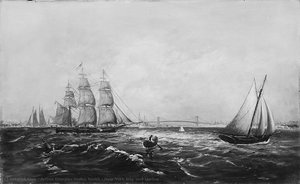
- New York Bay and Harbor
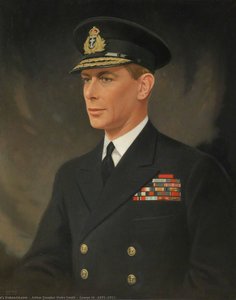
- Admiral Sir Max Horton
- Place Of Birth: Darjeeling, India