 Preview
 Send
Send Share
Share
 Details

 Download
 Similars
 X-Ray
X-Ray Diaporama
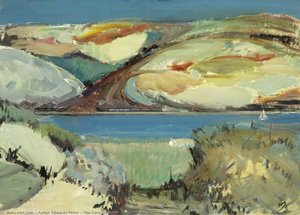
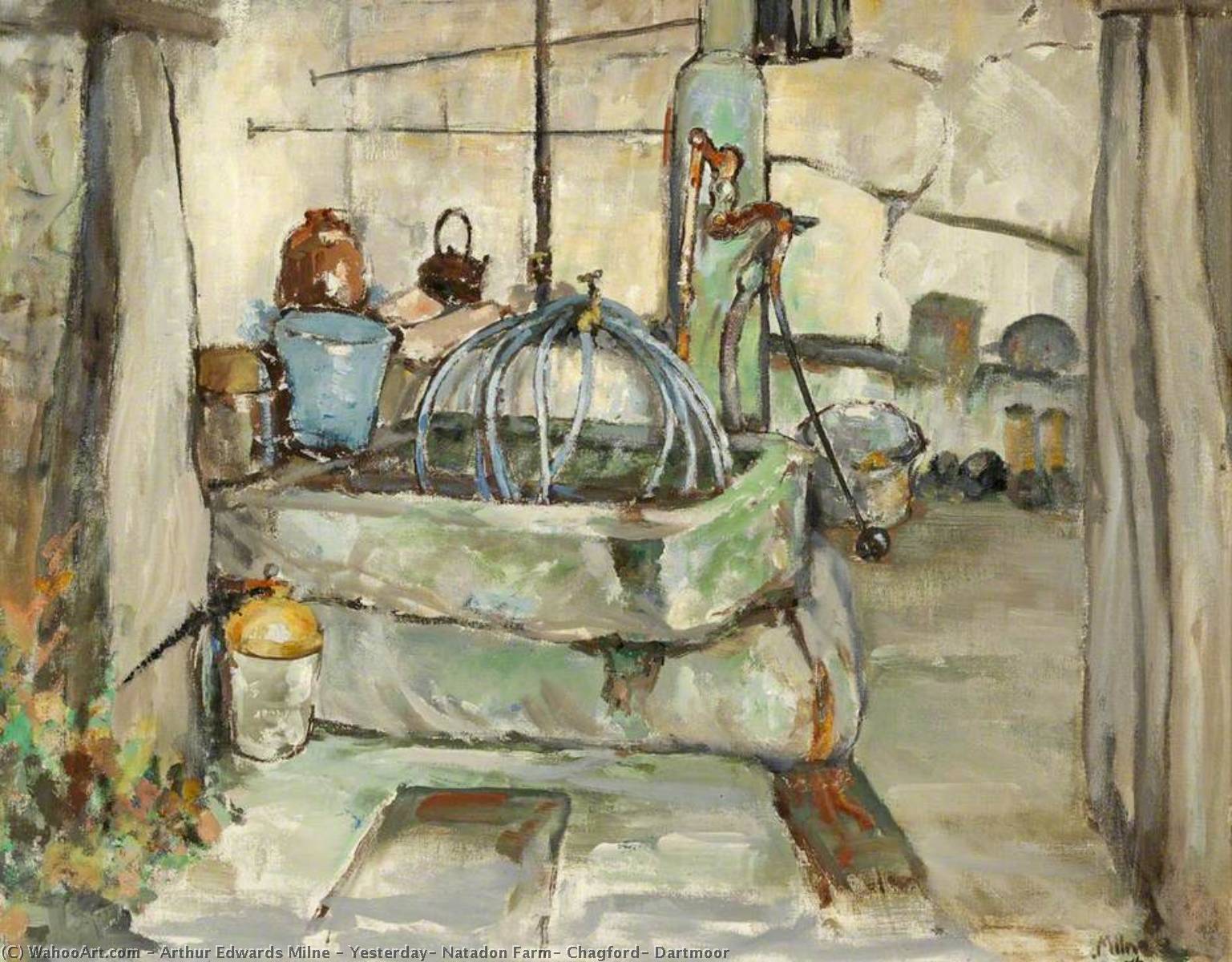
Yesterday, Natadon Farm, Chagford, Dartmoor
 47.0 x 60.0 cm
 Royal West of England Academy
 Read More
Giclée / Art Print
Museum-quality giclée or canvas print with fast production and flexible finish options. ( Buy Hand Made Painting Buy Image)




































Pick from our preset sizes that match the artwork's original proportions.

You may enter your own dimensions to fit a specific frame or space. If your selected size does not match the original image's proportions, we will either crop the artwork or extend the image with a mirrored or solid-fill edge. A digital mockup will be sent for your approval before production begins.
Please note that the on-screen preview does not reflect the actual cropping or extension. Only the mockup will accurately show the final composition.
While custom sizes are available, we recommend selecting a dimension from the predefined list to preserve the original proportions.
Worldwide Delivery () in 2 weeks instead of standard 4/5 weeks. (27 August)

Free Worldwide Express Shipping

High-Quality Linen Canvas

Full Shipping Insurance

Customs Tax Refund Guarantee

True Color Matching Guarantee

60-Day Return Policy (Defects Only)

100% Money-Back Guarantee

Bulk Discount Offer
 Glass option is only available in size under 110 CM

Yesterday, Natadon Farm, Chagford, Dartmoor
Giclée / Art Print
Reproduction Size
-


Total Price
$ 63
Related Artworks









Artist Biography
The Atmospheric Vision of Arthur Edwards Milne
Arthur Edwards Milne, a name synonymous with the evocative landscapes of the British countryside, possessed a rare ability to translate the fleeting nuances of light and atmosphere onto canvas. Born in 1889, his artistic journey was one of profound sensitivity, beginning with an early fascination for the delicate interplay of shadow and form. While his roots trace back to London, his soul found its true expression in the rugged terrains of Dartmoor and the bustling, historic vistas of Bristol. Milne’s work serves as a window into a bygone era, capturing the quiet majesty of the English landscape through a lens that was both deeply observant and intensely personal.
His formal training at the prestigious Slade School of Fine Art provided him with a rigorous foundation in classical technique, yet it was his encounter with the principles of Impressionism that truly liberated his brush. Drawing inspiration from masters such as Claude Monet and Pierre-Auguste Renoir, Milne moved away from rigid realism toward a style often described as atmospheric Impressionism. He became a master of layering thin, luminous washes of paint, creating surfaces that seemed to shimmer with reflected light. This technique allowed him to capture not just the physical geography of a place, but the very mood of the air—the damp mist clinging to a moorland hill or the golden glow of a setting sun over Bristol Harbour.
A Legacy Written in Landscape and Light
The breadth of Milne’s oeuvre reflects a deep connection to the diverse environments of his era. His depictions of Dartmoor National Park are particularly celebrated; in these works, he utilized textured brushstrokes and a muted, earthy palette to convey the melancholic grandeur and untamed beauty of the wilderness. These were not merely topographical studies but emotional landscapes that invited the viewer to feel the solitude and strength of the moorland. Conversely, his views of Bristol offered a different kind of dynamism. In his renderings of the Clifton Suspension Bridge and the lively scenes of Bristol Harbour, he skillfully balanced architectural precision with expansive, sweeping skies, capturing the rhythmic pulse of urban life interwoven with natural serenity.
Beyond his landscapes, Milne’s versatility extended to portraits and floral studies, executed in oil, watercolor, and pastel. His career was marked by significant professional achievements and a deep commitment to the artistic community. As an Associate member of the Royal West of England Academy (RWA), he was a fixture in the regional art scene, exhibiting regularly and even serving as a technical adviser for the restoration of paintings. His leadership within the Bristol Savages, where he served as President three times, underscores his influence on the local artistic landscape during the mid-20th century.
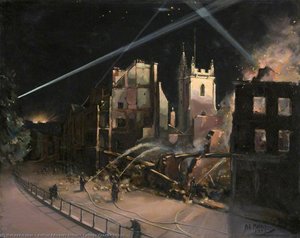
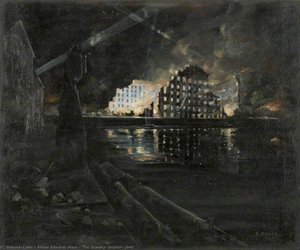
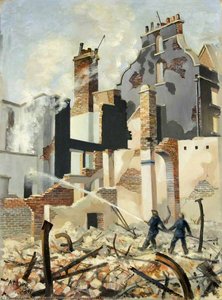
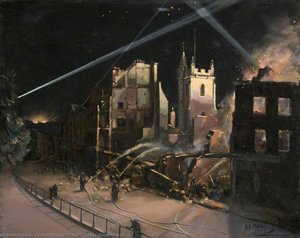
The historical significance of Arthur Edwards Milne lies in his ability to bridge the gap between traditional representation and subjective perception. His work remains a poignant record of the English landscape during the interwar years and beyond, capturing moments of peace and even the somber reality of wartime destruction, as seen in his moving watercolors of Bristol. Through his dedication to capturing the ephemeral, Milne ensured that the spirit of the British countryside would endure, preserved forever in the luminous, breathing textures of his art.
arthur edwards milne
1889 - 1981
Quick Facts
- Artistic Movement Or Style: Impressionism
- Artists Or Movements Influenced By This Artist: ['British Landscape Art']
- Artists Who Influenced This Artist:
- Claude Monet
- Vincent van Gogh
- Date Of Birth: 1889
- Date Of Death: 1981
- Full Name: Arthur Edwards Milne
- Nationality: British
- Notable Artworks:
- The Cornishman on the Dawlish Coast
- Merchants' Road, Clifton, Bristol
- Place Of Birth: Bristol, England