 Preview
 Send
Send Share
Share
 Details

 Download
 Similars
 X-Ray
X-Ray Diaporama
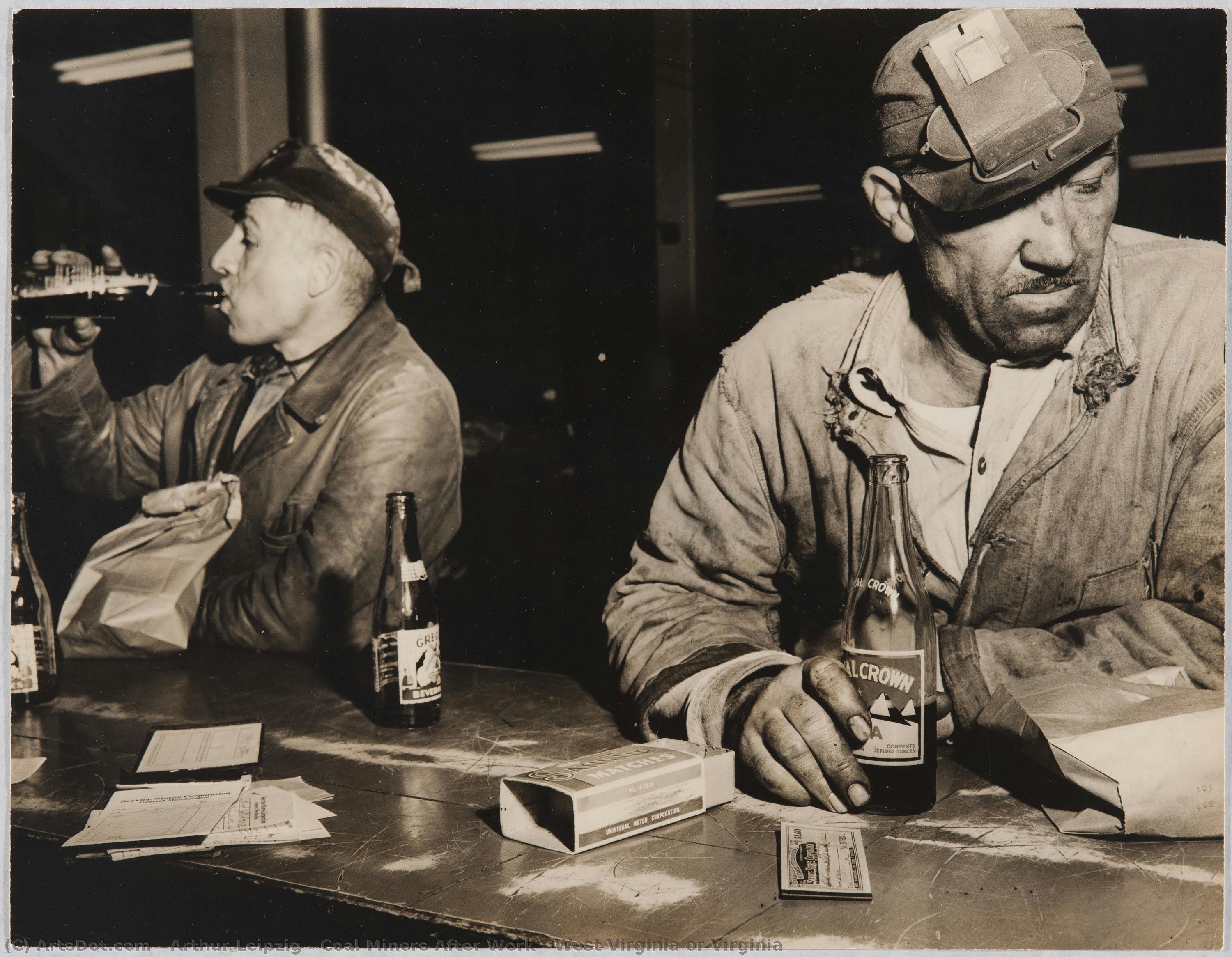
Coal Miners After Work - West Virginia or Virginia

 Read More
Hand Made Oil Reproduction
Hand-painted oil on canvas in your size and frame, made to order by our artists. ( Buy Print Buy Image)




































Pick from our preset sizes that match the artwork's original proportions.

You may enter your own dimensions to fit a specific frame or space. If your selected size does not match the original image's proportions, we will either crop the artwork or extend the painting with additional hand-painted elements. A digital mockup will be sent for your approval before production begins.
Please note that the on-screen preview does not reflect the actual cropping or extension. Only the mockup will accurately show the final composition.
While custom sizes are available, we recommend selecting a dimension from the predefined list to preserve the original proportions.
After order, ArtsDot.com team will email client for instructions and provide a mockup preview
Worldwide Delivery () in 3/4 weeks instead of standard 5 weeks. (24 August). No compromise on quality.

Free Worldwide Express Shipping

High-Quality Linen Canvas

Full Shipping Insurance

Customs Tax Refund Guarantee

True Color Matching Guarantee

60-Day Return Policy (Defects Only)

100% Money-Back Guarantee

Bulk Discount Offer
 Glass option is only available in size under 110 CM

Coal Miners After Work - West Virginia or Virginia
Reproduction Medium
Reproduction Size
-


Total Price
$ 263
Related Artworks





Artist Biography
The Genesis of a Visionary Observer
In the heart of Brooklyn, amidst the rhythmic pulse of a burgeoning twentieth-century metropolis, the artistic soul of Arthur Leipzig began to stir. Born in 1918, his path toward the lens was not paved by formal academic prestige but by a profound, innate curiosity and a transformative moment of fate. A serious injury to his right hand, sustained while working at a glass wholesaler, redirected his trajectory from manual labor toward the delicate art of visual storytelling. This pivotal shift led him to the legendary Photo League in 1941, where he found himself immersed in a crucible of social consciousness. Under the mentorship of Sid Grossman in the Documentary Workshop, Leipzig learned to see beyond the surface, absorbing the stylistic rigor and documentary depth of masters like Paul Strand and W. Eugene Smith. His early years were defined by this pursuit of authenticity, a commitment to using the camera as a tool for both artistic expression and social commentary, capturing the raw, unvarnished essence of human existence within the urban landscape.The Soul of the City Streets
Leipzig’s photography serves as a timeless window into the mid-century New York experience, a period where the city's grit and grandeur were inextricably linked. He possessed an uncanny ability to find the extraordinary within the ordinary, turning a simple street corner or a dusty playground into a stage for profound human drama. His work often centered on the innocence of childhood and the quiet dignity of the working class, captured through a lens that favored candid intimacy over staged artifice. Through his eyes, the fleeting movements of New York life were frozen in moments of eternal significance.His celebrated oeuvre is characterized by several enduring themes:
- The ephemeral joy of children's games, such as the iconic King of the Hill and Stickball, which evoke a sense of nostalgic communal life.
- The atmospheric textures of urban landscapes, where shadows and light dance across the Brooklyn Bridge and rain-slicked streets.
- The social realism of New York's diverse populations, documenting the shared struggles and triumphs of everyday citizens.
One of his most significant milestones occurred in 1955, when his photograph King of the Hill, depicting two young boys on a sand heap, was selected by Edward Steichen for the monumental The Family of Man exhibition at the Museum of Modern Art. This inclusion placed Leipzig’s intimate observations on a global stage, reaching millions of visitors and cementing his place in the canon of great documentary photographers.
A Lasting Photographic Legacy
Beyond the fleeting moments captured on film, Leipzig’s influence extended deep into the realm of education and mentorship. From 1968 to 1991, he served as a professor and director of photography at Long Island University's CW Post Campus, where he dedicated himself to nurturing the next generation of visual storytellers. He brought his wealth of experience from the streets of New York into the classroom, recruiting esteemed professionals to enhance the photographic landscape for his students and fostering an environment of technical excellence and creative exploration.His career was marked by a relentless pursuit of excellence, culminating in the prestigious Lucie Award for Outstanding Achievement in Fine Art Photography in 2004. Even as the world changed around him, Leipzig remained a steadfast chronicler of the human condition, leaving behind a body of work that continues to resonate with its quiet power, emotional depth, and an enduring respect for the beauty found in the everyday. His legacy lives on through his contributions to major collections like MoMA, ensuring that his unique perspective on the City That Never Sleeps will never be forgotten.
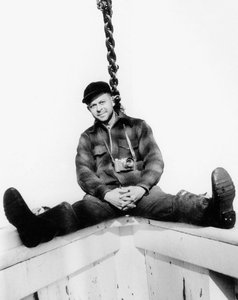
Arthur Leipzig
1918 - 2014 , United States of America
Quick Facts
- Artistic Movement Or Style: Street photography
- Artists Or Movements Influenced By This Artist: ['The Family of Man']
- Artists Who Influenced This Artist: ['Paul Strand']
- Date Of Birth: October 25, 1918
- Date Of Death: December 5, 2014
- Full Name: Arthur Leipzig
- Nationality: American
- Notable Artworks:
- Coal Miners After Work - West Virginia or Virginia
- King of the Hill
- Place Of Birth: Brooklyn, United States of America