 Preview
 Send
Send Share
Share
 Details

 Download
 Similars
 X-Ray
X-Ray Diaporama
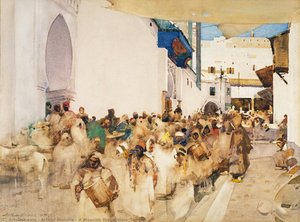
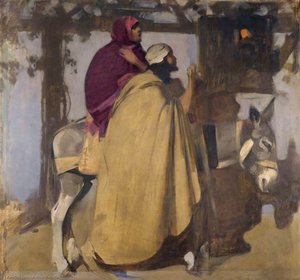
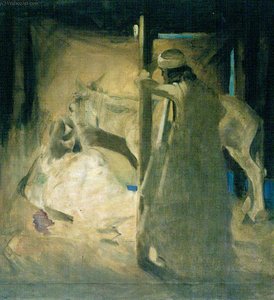
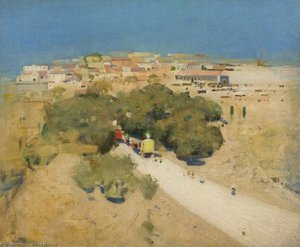
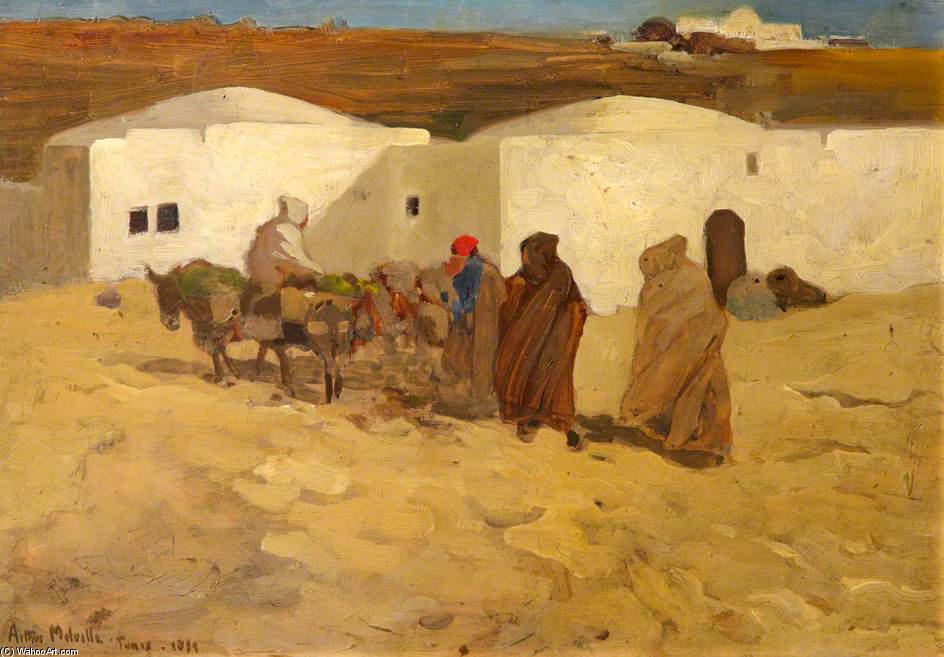
A Scene In Tunis

 Read More
Hand Made Oil Reproduction
Hand-painted oil on canvas in your size and frame, made to order by our artists. ( Buy Print Buy Image)




P118B $10

P118H $10

P118W $10

P438Z $10

P508JH $12

P508YH $12

P805H $10

P805Z $10

P919BZ $10

P919G $10

P919XJ $10

P959ZH $10

P968JZ $12

W106C $8

W218G $10

W218JH $8

W218Y $10

W307PJ $10

W316G $10

W316PJ $8

W316Y $10

W398PJ $8

W4111J $10

W500HY $15

W500JH $15

W692G $12

W849H $8

W940BG $15

W953PJ $8




Pick from our preset sizes that match the artwork's original proportions.

You may enter your own dimensions to fit a specific frame or space. If your selected size does not match the original image's proportions, we will either crop the artwork or extend the painting with additional hand-painted elements. A digital mockup will be sent for your approval before production begins.
Please note that the on-screen preview does not reflect the actual cropping or extension. Only the mockup will accurately show the final composition.
While custom sizes are available, we recommend selecting a dimension from the predefined list to preserve the original proportions.
After order, ArtsDot.com team will email client for instructions and provide a mockup preview
Worldwide Delivery () in 3/4 weeks instead of standard 5 weeks. (17 August). No compromise on quality.

Free Worldwide Express Shipping

High-Quality Linen Canvas

Full Shipping Insurance

Customs Tax Refund Guarantee

True Color Matching Guarantee

60-Day Return Policy (Defects Only)

100% Money-Back Guarantee

Bulk Discount Offer
 Glass option is only available in size under 110 CM

A Scene In Tunis
Reproduction Medium
Reproduction Size
-


Total Price
$ 263
Related Artworks
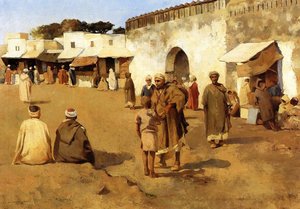
Artist Biography
A Scottish Visionary: The Life and Art of Arthur Melville
Arthur Melville, a name perhaps less instantly recognizable than some of his contemporaries, nevertheless occupies a pivotal position in late 19th and early 20th-century British painting. Born in Guthrie, Angus, Scotland, in 1855 (though some sources suggest 1858), Melville’s artistic journey was one defined by an insatiable curiosity, a bold embrace of color, and a profound sensitivity to light – qualities that would ultimately distinguish his work and exert a significant influence on the burgeoning Glasgow Boys movement. His early life offered little indication of the path he would forge; apprenticed as a grocer, Melville nonetheless found himself drawn to visual expression, diligently attending evening art classes in Edinburgh while balancing the demands of his trade. This dedication secured him entry into the Royal Scottish Academy Schools, laying the foundation for further study in Paris and Greece – experiences that proved crucial in shaping his artistic sensibilities.The Allure of the Orient: Travels and Transformation
It was, however, Melville’s intrepid travels through Persia, Egypt, and Turkey between 1880 and 1882 that truly ignited his creative fire. Often venturing alone into remote regions, he immersed himself in the cultures and landscapes of the Middle East, a world far removed from the muted tones of Victorian Scotland. This immersion wasn’t merely observational; it was deeply experiential. Melville didn't simply *see* these places, he absorbed their atmosphere, their light, their very essence. It was during this period that his distinctive color palette began to blossom, fueled by the intense hues and dazzling sunlight of the region. He developed a unique watercolor technique – applying paint to wet paper with gouache and often employing blotting techniques – allowing him to capture the shimmering heat and vibrant life he encountered. This wasn’t about meticulous realism; it was about conveying an *impression*, a feeling, the very soul of a place. Works like Kurrachee, depicting bustling street scenes in what is now Karachi, Pakistan, exemplify this approach – a dynamic interplay of light and shadow, color and movement that transports the viewer to another world.A Style Defined by Atmosphere and Innovation
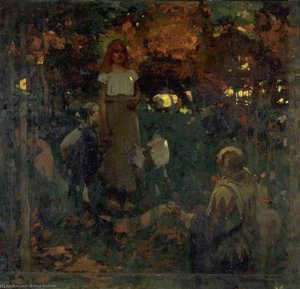
Melville’s style resists easy categorization. While he absorbed influences from various sources, including Impressionism with its emphasis on fleeting moments and optical effects, he remained distinctly himself. He wasn't interested in photographic accuracy; instead, he prioritized capturing the *feeling* of a scene, emphasizing color and atmosphere over precise detail. His broad decorative treatment, often described as “blottesque” due to his innovative blotting techniques, created luminous effects and a sense of spontaneity. This approach was revolutionary for its time, challenging conventional watercolor practices and paving the way for new expressive possibilities. He wasn’t merely painting *what* he saw, but *how* it felt to be there – the heat on his skin, the scent in the air, the energy of the crowd. Beyond Orientalist scenes, Melville also explored Venetian landscapes and portraits, demonstrating a versatility that further cemented his artistic range. A Moorish Procession, Tangier, for example, showcases his ability to capture the vibrant energy and cultural richness of North Africa, while Christmas Eve - 'and There Was No Room For Them In The Inn' reveals his skill in narrative painting.Legacy and Influence: A Lasting Impact
Despite receiving limited recognition during his lifetime – he tragically died from typhoid fever in 1904 at the age of just forty-nine – Arthur Melville’s influence on subsequent generations of artists has been profound. His innovative watercolor techniques, particularly his bold use of color and atmospheric effects, had a significant impact on the Glasgow Boys, a group of Scottish painters who sought to break away from academic conventions and forge their own distinct artistic identity. A comprehensive memorial exhibition held at the Royal Institute Galleries in London in 1906, shortly after his death, helped to belatedly raise awareness of his work. Today, Melville’s paintings are held in esteemed collections such as the Victoria and Albert Museum in London and the Weimar Museum, alongside numerous private holdings. He remains a celebrated figure for those interested in Orientalist painting, the development of Scottish art, and the power of color to evoke emotion and transport the viewer to another time and place. His work stands as a testament to the transformative power of travel, the importance of artistic experimentation, and the enduring legacy of a visionary artist who dared to see the world through his own unique lens.Key Characteristics of Melville’s Art
- Subject Matter: Primarily Orientalist scenes – Persia, Egypt, Turkey – but also Venetian landscapes and portraits.
- Technique: Watercolor on wet paper with gouache application for luminous effects; innovative blotting techniques.
- Style: Broad decorative treatment, emphasis on color and atmosphere over precise detail.
- Influence: Significant influence on the Glasgow Boys and a precursor to modern watercolor painting.
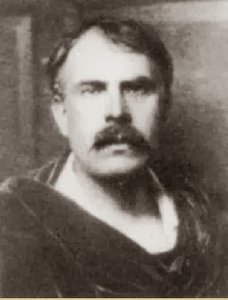
Arthur Melville
1855 - 1904 , United Kingdom
Quick Facts
- Artistic Movement Or Style: Orientalism, Impressionism
- Artists Or Movements Influenced By This Artist: ['Glasgow Boys']
- Artists Who Influenced This Artist:
- Corot
- Millet
- Monet
- Date Of Birth: 1855
- Date Of Death: 1904
- Full Name: Arthur Melville
- Nationality: Scottish
- Notable Artworks:
- Kurrachee
- Moorish Procession
- Christmas Eve
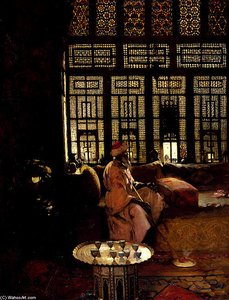
- An Arab Interior
- Place Of Birth: Angus, UK
Related Articles
Marianne North's Masterpieces: 25 Botanical Paintings That Bloom With Adventure | ArtsDot
Journey through the vibrant world of Marianne North’s botanical paintings! Explore 25 iconic artworks from this Victorian artist, celebrating exotic flora & travel. Find museum-quality reproductions and curated decor ideas at ArtsDot.com.

Impressionist Landscapes: 10 Masterpieces for Your Home | ArtsDot
Journey through 10 iconic Impressionist landscapes by Monet, Renoir & Degas. Explore the history, techniques & emotions behind these masterpieces. Find museum-quality reproductions for your home at ArtsDot.com – where art comes to life! Discover all masterpieces on ArtsDot.com
Impressionistic Realism's Finest: 10 Masterpieces for Your Home | ArtsDot
Journey through Impressionistic Realism with 10 iconic masterpieces by Monet, Renoir & Van Gogh. Explore art history, techniques & find museum-quality reproductions for your home at ArtsDot.com. Discover all masterpieces online!
Renoir's Masterpieces: Explore 25 Iconic Paintings & Bring Art Home | ArtsDot
Explore 25 iconic Pierre-Auguste Renoir paintings! Discover the stories behind Impressionist masterpieces like 'Dance at Le Moulin de la Galette' & 'Luncheon of the Boating Party'. Find museum-quality art reproductions and elevate your home decor with ArtsDot.com.
Impressionistic Landscapes: 10 Masterpieces That Changed Art & Decor
Journey into the heart of Impressionism! Explore 10 masterpieces by Monet, Renoir & Degas that revolutionized landscape art. Discover their stories, techniques & find museum-quality reproductions to elevate your home decor on ArtsDot.com.