

 Preview
 Send
Send Share
Share
 Details

 Download
 Similars
 X-Ray
X-Ray Diaporama
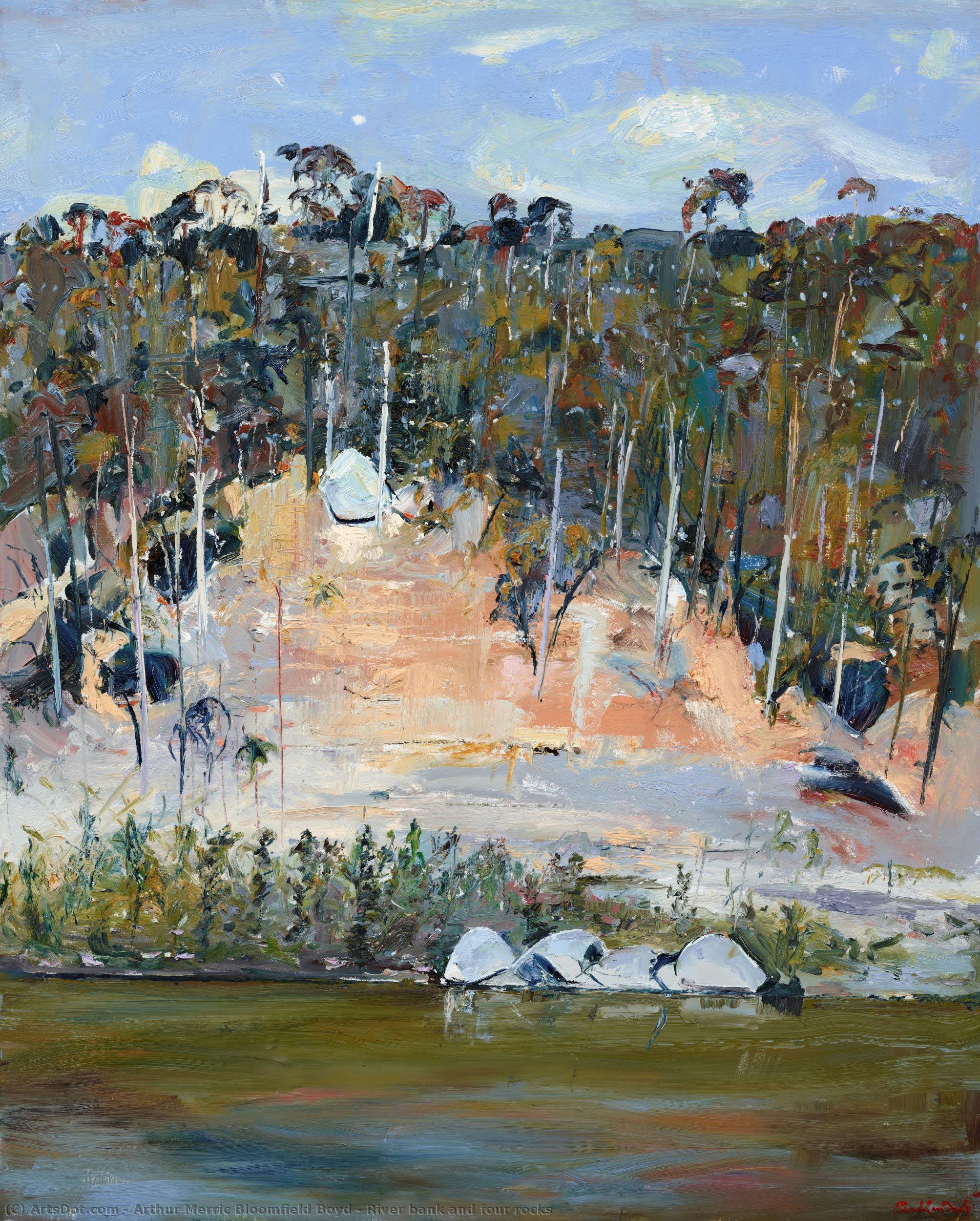
River bank and four rocks
 Acrylic On Canvas
- WallArt
- Expressionism
 1993
1993- 19th Century
 155.0 x 125.0 cm
 Art Gallery of New South Wales
 Read More
Purchase a high-resolution, enhanced digital image, far superior to the online preview.
Each file is meticulously prepared by our in-house specialists using advanced tools and expert manual retouching. We ensure every image has exceptional clarity, precise color accuracy, and fine detail.
The final file is delivered via email within 72 hours, optimized for immediate use in professional, editorial, and print environments. This is the same quality trusted by top-tier design studios, publishers, and galleries.
Digital Image
Download a high-resolution file for personal display, printing, and creative projects. ( Buy Print Buy Hand Made Painting)
Included in Every Digital Image Order
Expert Digital Delivery, Guaranteed
When you choose ArtsDot.com, you're not just getting an image - you're receiving a professionally enhanced digital artwork, crafted with precision and backed by a satisfaction guarantee. Here's everything that comes with your order, automatically:

Fast Email Delivery
Your high-resolution digital image file will be emailed to you within 72 hours of ordering - ready for immediate use.

AI-Enhanced Digital File
Your artwork is professionally optimized using advanced AI tools and manual editing, ensuring maximum detail, clarity, and color accuracy.

Free Lifetime Re-Delivery
Accidentally deleted or lost your file? No worries - we'll resend it to you anytime, free of charge.

No Import Fees - Ever
Enjoy your artwork instantly with zero customs, duties, or delivery fees - digital downloads are always tax-free.

Color Accuracy Guarantee
We ensure your digital image reflects the original colors as closely as possible using professional tools and color management.

60-Day Satisfaction Guarantee
If you're not satisfied with your digital image, we'll revise it or refund 100% within 60 days - no questions asked.

100% Money-Back Guarantee
Not satisfied? Get a full refund within 60 days of receiving your digital file - no questions asked.

Bulk Order Discounts
Buy 3 images, save 10% - Buy 5, save 15% - Buy 10+, save 20%. Great for creative projects, galleries, and agencies.
Collectible Description
A River’s Echoes: Arthur Boyd's ‘River Bank and Four Rocks’
Arthur Merric Bloomfield Boyd’s “River Bank and Four Rocks,” painted in 1993, isn’t merely a depiction of a landscape; it’s a profound meditation on isolation, vulnerability, and the enduring power of nature. Boyd, a pivotal figure in Australian art, masterfully blends elements of Expressionism with his deep connection to the country's rugged terrain and biblical storytelling, creating an image that resonates with both immediate visual impact and layered symbolic meaning. The painting captures a serene yet subtly unsettling scene: a gently flowing river framed by a bank strewn with four prominent rocks, their forms anchoring the composition and drawing the eye into the heart of the artwork.
Boyd’s technique is characterized by a loose, almost gestural application of paint—a deliberate departure from strict realism. He employs broad brushstrokes and washes of color to evoke atmosphere and mood rather than meticulously rendering every detail. The palette leans towards earthy tones – ochres, browns, and greens – mirroring the natural world while simultaneously injecting a sense of melancholy. Notice how he uses light and shadow not just to define form but also to create an emotional resonance; the dappled sunlight filtering through the trees suggests both beauty and a certain foreboding.
Echoes of Biblical Narrative
Boyd’s artistic journey was deeply intertwined with religious themes, particularly those found in the Old Testament. “River Bank and Four Rocks” subtly references the story of Noah's Ark, with the four rocks acting as silent witnesses to a potential deluge. The composition itself—a small group of figures (implied by the tents) positioned within a vast, untamed landscape—evokes the feeling of vulnerability and precariousness experienced during a flood. This isn’t a dramatic, overtly religious scene; instead, it's a quiet contemplation on humanity’s relationship with the forces of nature and the inevitability of hardship.
The inclusion of tents adds another layer of interpretation. They represent human presence—a small, temporary foothold within an overwhelming environment. This juxtaposition highlights the insignificance of individual existence against the backdrop of the natural world's enduring power. Boyd’s use of color and light further emphasizes this theme; the warm tones of the tents contrast sharply with the cool, muted hues of the riverbank and surrounding trees, creating a visual tension that mirrors the emotional complexity of the scene.
The Australian Landscape as Symbol
Beyond its biblical allusions, “River Bank and Four Rocks” is deeply rooted in the Australian landscape. Boyd’s lifelong fascination with the country's unique environment—its vastness, its rugged beauty, and its often-challenging conditions—is palpable throughout his work. The riverbank itself becomes a symbol of resilience – a place where life persists despite adversity. The rocks, steadfast and enduring, represent the strength and stability that can be found in nature’s embrace.
The painting's setting, reminiscent of areas within New South Wales, speaks to Boyd’s deep connection with the Australian bush. He frequently depicted scenes from his own life and experiences within this landscape, imbuing them with a sense of personal significance and emotional depth. The careful observation of light, texture, and color demonstrates his profound understanding of the region's visual language.
A Legacy of Emotional Resonance
“River Bank and Four Rocks” is more than just a beautiful landscape painting; it’s a poignant exploration of human existence within the context of nature. Boyd’s masterful use of symbolism, technique, and color creates an image that lingers in the mind long after viewing. It invites contemplation on themes of vulnerability, resilience, and the enduring power of the natural world—themes that continue to resonate with viewers today. Reproductions of this artwork offer a remarkable opportunity to bring this evocative scene into any space, fostering a sense of tranquility and reflecting on the timeless beauty of the Australian landscape.
Related Artworks
Artist Biography
A Life Immersed in Art and the Australian Landscape
Arthur Merric Bloomfield Boyd, born on July 24, 1920, in Murrumbeena, Victoria, was more than just a painter; he was a chronicler of the human condition, deeply entwined with the spirit of the Australian landscape. His artistic journey began not as a solitary pursuit but as an inheritance, nurtured within a family where creativity flowed like a lifeblood. Both his parents, Doris and Merric Boyd, were accomplished artists – potters and painters themselves – establishing a home environment saturated with aesthetic exploration. This early immersion wasn’t merely about learning technique; it was about understanding art as a way of life, a means of interpreting the world and expressing its complexities. From childhood sketches to mature masterpieces, Boyd's work consistently reflected this foundational influence, evolving yet always retaining a connection to his familial artistic roots. The legacy extended beyond his immediate family, with generations of Boyds contributing to Australia’s vibrant art scene, solidifying their place as one of the nation’s most prominent creative dynasties.From Impressionistic Visions to Expressionist Depths
Boyd's stylistic range was remarkably versatile, defying easy categorization. He moved fluidly between impressionistic renderings of the Australian bush – capturing its light, texture, and vastness with a delicate touch – and starkly expressionist figuration that delved into the darker recesses of human emotion. Often, these styles weren’t mutually exclusive; canvases would seamlessly blend both approaches, creating a unique visual language that was distinctly Boyd's own. This ability to synthesize different techniques allowed him to explore a wide spectrum of themes, from the beauty and serenity of nature to the anguish and moral dilemmas of existence. A defining characteristic of his work became the juxtaposition of biblical narratives within the Australian context. Paintings like Judas Kissing Christ, now housed in the Art Gallery of New South Wales, exemplify this approach – a powerful reimagining of a pivotal religious moment transposed onto the rugged terrain of the Australian outback. This wasn’t simply an aesthetic choice; it was a deliberate attempt to universalize these stories, grounding them in a specific cultural and geographical reality.A Social Conscience Painted on Canvas
Beyond his technical prowess, Boyd's art resonated with a profound social conscience. He wasn’t content to merely depict the world; he sought to engage with its injustices and explore universal themes of love, loss, shame, and redemption. This commitment manifested in both his paintings and sculptures, often focusing on marginalized figures and challenging societal norms. River Bank and Four Rocks, another significant work at the Art Gallery of New South Wales, exemplifies this depth, inviting viewers to contemplate the complexities of human experience within a natural setting. Boyd’s wartime experiences also profoundly shaped his artistic vision. Serving in the Australian Army during World War II, he witnessed firsthand the horrors of conflict and the suffering it inflicted on individuals. This exposure fueled his empathy and strengthened his resolve to use art as a vehicle for social commentary. He depicted the dispossessed and those deemed unfit for service, offering a poignant critique of war’s devastating consequences.A Lasting Legacy: Family, Bundanon, and Artistic Influence
Arthur Boyd's influence extends far beyond his individual artistic achievements. His family continued to flourish creatively; his wife, Yvonne Boyd (née Lennie), and their children – Jamie, Polly, and Lucy – all became accomplished painters in their own right, perpetuating the Boyd artistic tradition. Perhaps one of his most enduring legacies is Bundanon, the family property on the Shoalhaven River in New South Wales. In 1993, Arthur and Yvonne generously gifted this vast estate to the Australian people, establishing a center for arts and environmental studies. This act wasn’t merely philanthropic; it was a testament to Boyd's belief in the power of art to connect individuals with nature and foster creativity. Bundanon continues to serve as a vital resource for artists, researchers, and educators, ensuring that Boyd’s vision will inspire generations to come. His work remains critically acclaimed and widely exhibited, cementing his position as one of Australia’s most important and influential artists. He passed away in 1999, leaving behind a body of work that continues to challenge, provoke, and move audiences around the world.Exploring Further
- Discover more artworks: https://ArtsDot.com/@/arthur-merric-bloomfield-boyd
- Art Gallery of New South Wales Collection: /en/art/show/art-8xyffg-en/
- Explore influential artists: /en/art/list/
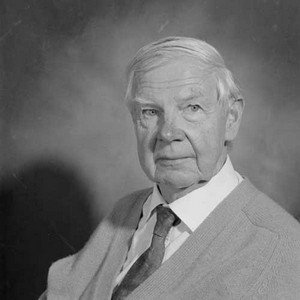
Arthur Merric Bloomfield Boyd
1920 - 1999 , Australia
Quick Facts
- Artistic Movement Or Style: Expressionism, Landscape
- Date Of Birth: July 24, 1920
- Date Of Death: 1999
- Full Name: Arthur Merric Bloomfield Boyd
- Nationality: Australian
- Notable Artworks:
- Judas kissing Christ
- River bank & Four rocks
- Nebuchadnezzar on fire
- Nude with beast III
- Place Of Birth: Murrumbeena, Australia

