 Preview
 Send
Send Share
Share
 Details

 Download
 Similars
 X-Ray
X-Ray Diaporama
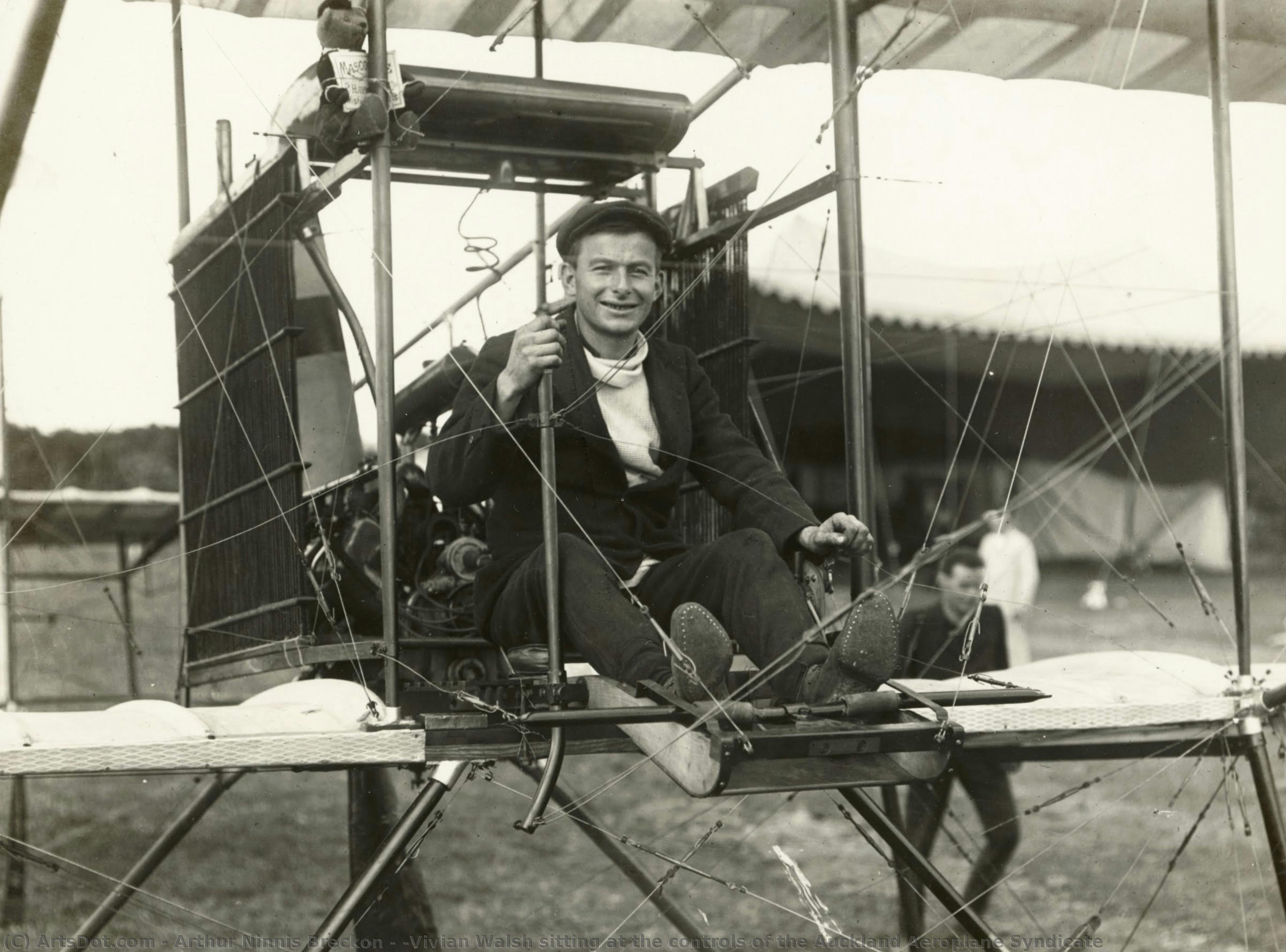
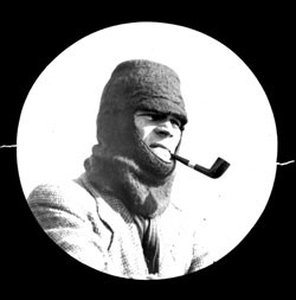
[Vivian Walsh sitting at the controls of the Auckland Aeroplane Syndicate


 Read More
Giclée / Art Print
Museum-quality giclée or canvas print with fast production and flexible finish options. ( Buy Hand Made Painting Buy Image)




































Pick from our preset sizes that match the artwork's original proportions.

You may enter your own dimensions to fit a specific frame or space. If your selected size does not match the original image's proportions, we will either crop the artwork or extend the image with a mirrored or solid-fill edge. A digital mockup will be sent for your approval before production begins.
Please note that the on-screen preview does not reflect the actual cropping or extension. Only the mockup will accurately show the final composition.
While custom sizes are available, we recommend selecting a dimension from the predefined list to preserve the original proportions.
Worldwide Delivery () in 2 weeks instead of standard 4/5 weeks. (2 September)

Free Worldwide Express Shipping

High-Quality Linen Canvas

Full Shipping Insurance

Customs Tax Refund Guarantee

True Color Matching Guarantee

60-Day Return Policy (Defects Only)

100% Money-Back Guarantee

Bulk Discount Offer
 Glass option is only available in size under 110 CM

[Vivian Walsh sitting at the controls of the Auckland Aeroplane Syndicate
Giclée / Art Print
Reproduction Size
-


Total Price
$ 63
Related Artworks




Artist Biography
The Visionary of Auckland's Early Lens
Arthur Ninnis Breckon (1887–1965) stands as a monumental figure in the history of New Zealand photography, a man whose lens helped transform a young nation’s self-perception through the burgeoning power of photojournalism. Born in Auckland, Breckon did not merely observe the world; he sought to capture its evolving soul during an era of profound social and political transition. His artistic foundation was laid under the meticulous mentorship of H.E. Gaze, a respected contemporary who instilled in him a deep respect for visual storytelling and technical integrity. This early apprenticeship allowed Breckon to master the nuances of light and composition long before he would become a household name in the journalistic sphere.As the technological landscape shifted with the arrival of the Kodak camera, Breckon embraced the possibilities of immediacy and clarity. He moved away from the static, formal portraiture of the Victorian era toward a more dynamic, candid approach that prioritized the raw essence of life. This evolution in technique allowed him to document the bustling cityscapes and the quiet, rural rhythms of New ent Zealand with an intimacy that felt both urgent and timeless. His work was characterized by a remarkable ability to find beauty in the mundane and gravity in the monumental, marking him as one of the first true chroniclers of the New Zealand experience.
A Witness to the Turning Tides of History
For over two decades, Breckon served as a vital pulse for influential publications such as The Weekly News and The New Zealand Herald. His role as Chief Photographer demanded more than just technical skill; it required a courageous presence at the very epicenter of historical upheaval. He was often the sole witness to moments that would otherwise have faded into mere legend. Most notably, his camera captured the tension and violence of the Maungapōhatu police raid in April 1916, providing an irreplaceable visual record of a conflict that deeply scarred the national consciousness. His bravery was equally evident during the perilous expedition of Douglas Mawson to the sub-Antarctic Macquarie Islands. Amidst the freezing surf and the struggle for survival, Breckon’s photography documented the rugged wildlife and the harrowing reality of the rescue mission, bridging the gap between remote exploration and public awareness.Beyond the theater of conflict and exploration, Breckon’s work touched the very fabric of daily life and tragedy. He was present to document the devastating Napier earthquake, capturing the wreckage and the resilience of a community in mourning. From the haunting imagery of the SS Wiltshire shipwreck off Great Barrier Island in 1922 to his poignant documentation of the New Zealand Expeditionary Forces before their deployment to war, his oeuvre serves as a profound archive of both triumph and loss. Through his lens, the ephemeral moments of the early 20th century were granted a permanent, tangible existence.
A Global Legacy and Enduring Impact
While Breckon’s heart was rooted in the landscapes of his homeland, his talent eventually commanded international reverence. He achieved a historic milestone as the first New Zealander to be published in the prestigious Life Magazine, an honor earned through his iconic photograph of a tuatara. This single image, capturing a creature endemic to New Zealand, did more than showcase a biological marvel; it introduced the world to the unique character of the South Pacific through a sophisticated photographic eye. This achievement cemented his reputation as a trailblazer who could translate local wonders into a universal visual language.The legacy of Arthur Ninnis Breckon is not found merely in the archives of newsrooms, but in the collective memory of a nation. His photographs acted as active participants in shaping public perception, fostering a sense of shared identity during a period of rapid change. By documenting the intersection of nature, conflict, and community, he created a visual chronicle that remains essential for understanding the foundations of modern New Zealand. His work continues to inspire, reminding us that the camera is not just a tool for recording facts, but a powerful instrument for preserving the spirit of an era.
arthur ninnis breckon
1887 - 1965 , New Zealand
Quick Facts
- Artistic Movement Or Style: Documentary photography
- Artists Or Movements Influenced By This Artist: David Eggleton
- Artists Who Influenced This Artist: H.E Gaze
- Date Of Birth: 1887
- Full Name: Arthur Ninnis Breckon
- Nationality: New Zealander
- Notable Artworks: ['Vivian Walsh sitting at the controls of the Auckland Aeroplane Syndicate']
- Place Of Birth: New Zealand