 Preview
 Send
Send Share
Share
 Details

 Download
 Similars
 X-Ray
X-Ray Diaporama
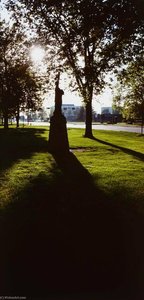
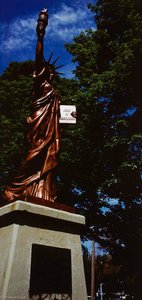
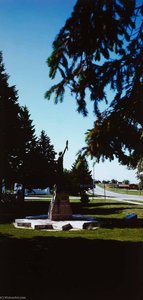
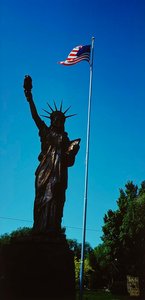
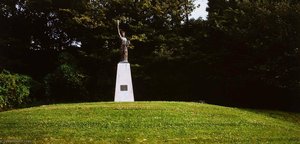
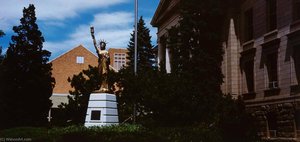
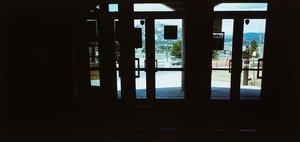
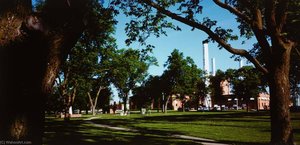
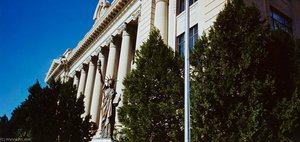
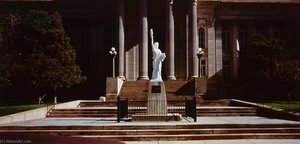
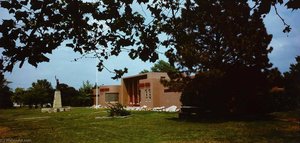
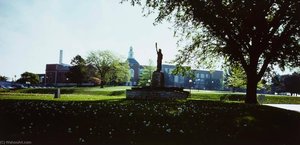
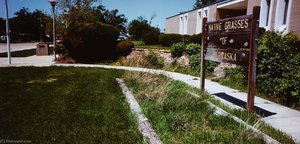
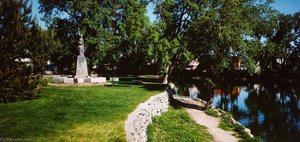
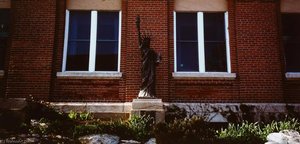
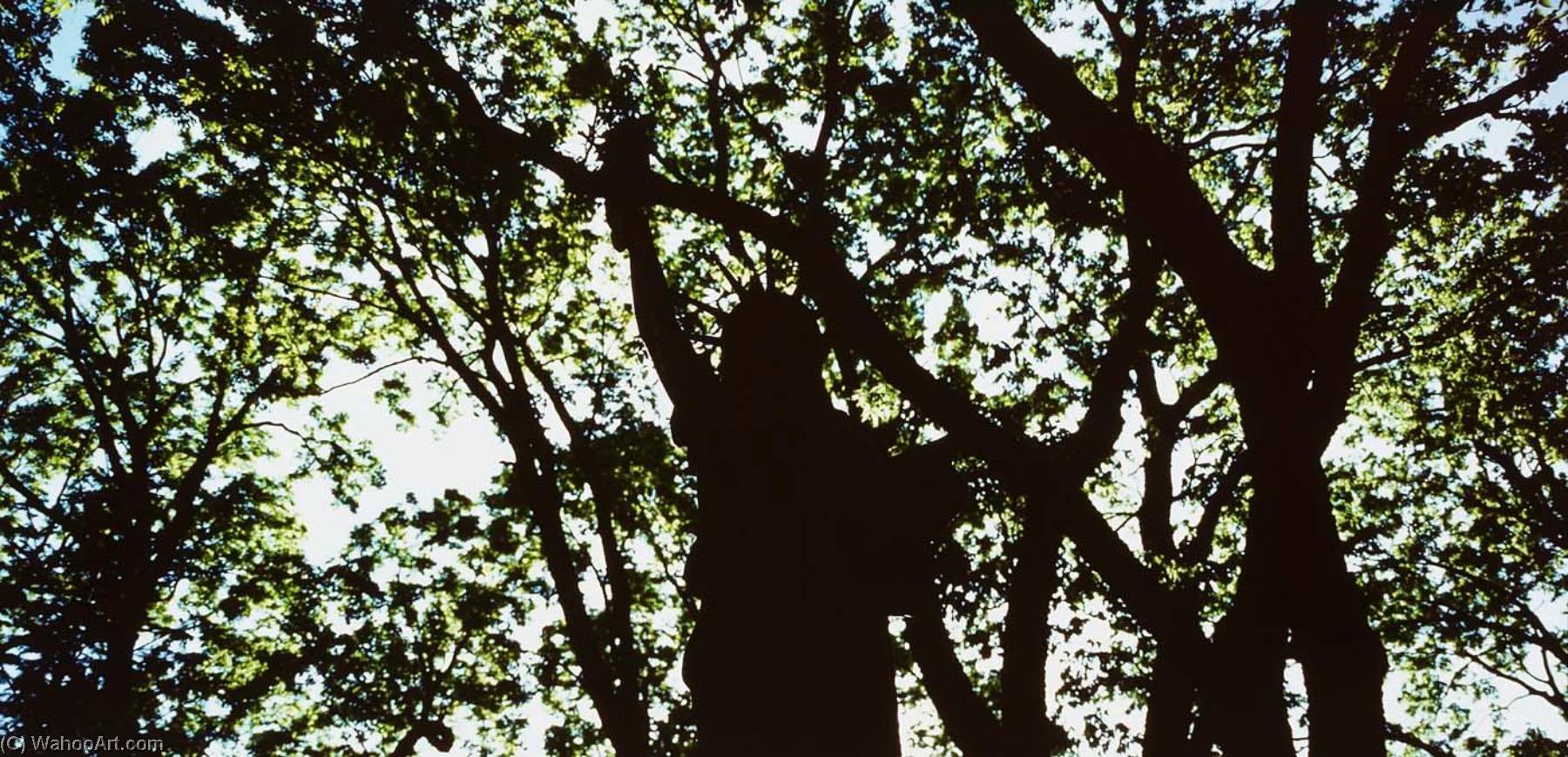
Statue of Liberty, Glen Elder, Kansas, from the portfolio Statues of Liberty
 1987
1987 20.0 x 41.0 cm
 Read More
Giclée / Art Print
Museum-quality giclée or canvas print with fast production and flexible finish options. ( Buy Hand Made Painting Buy Image)




































Pick from our preset sizes that match the artwork's original proportions.

You may enter your own dimensions to fit a specific frame or space. If your selected size does not match the original image's proportions, we will either crop the artwork or extend the image with a mirrored or solid-fill edge. A digital mockup will be sent for your approval before production begins.
Please note that the on-screen preview does not reflect the actual cropping or extension. Only the mockup will accurately show the final composition.
While custom sizes are available, we recommend selecting a dimension from the predefined list to preserve the original proportions.
Worldwide Delivery () in 2 weeks instead of standard 4/5 weeks. (28 August)

Free Worldwide Express Shipping

High-Quality Linen Canvas

Full Shipping Insurance

Customs Tax Refund Guarantee

True Color Matching Guarantee

60-Day Return Policy (Defects Only)

100% Money-Back Guarantee

Bulk Discount Offer
 Glass option is only available in size under 110 CM

Statue of Liberty, Glen Elder, Kansas, from the portfolio Statues of Liberty
Giclée / Art Print
Reproduction Size
-


Total Price
$ 63
Related Artworks








Artist Biography
Arthur Taussig: A Life Woven from Music, Physics, and the Jungian Psyche
Arthur Taussig (born March 31, 1941), is an artist whose career defies easy categorization. He’s a physicist who traded lab coats for guitars, a biochemist who found kinship with American primitive music, a collage artist exploring archetypal imagery, and a prolific author delving into the complexities of film analysis and Jungian psychology. More than simply a collection of diverse passions, Taussig's work represents a deeply personal synthesis—a lifelong pursuit of understanding the interconnectedness of seemingly disparate realms. His journey is one marked by intellectual rigor, artistic experimentation, and a persistent fascination with the hidden currents beneath the surface of reality.
Born in Los Angeles, Taussig’s early life was steeped in both scientific inquiry and musical exploration. He excelled academically, earning a Bachelor of Science degree in physics from the University of California, Berkeley, where he also pursued studies in anthropology and music history. This foundation—a blend of analytical thinking and artistic sensibility—would prove crucial to his later work. His initial foray into music began with the banjo and 12-string guitar, influenced by figures like Elizabeth Cotten and Wolfgang Amadeus Mozart – a testament to his eclectic tastes and desire to merge technical skill with emotional expression. This early passion for instrumental music laid the groundwork for his later pioneering work in American primitive guitar.
The Genesis of American Primitive Guitar
Taussig is widely recognized as a key figure in the revival and development of American primitive guitar, a style characterized by its raw, unpolished sound and improvisational nature. Rejecting the polished virtuosity of classical guitar, Taussig sought to capture the spirit of blues and folk music—the directness of voice, the immediacy of emotion. His 1965 recording, “Fate is Only Once,” released on Takoma Records, stands as a seminal work in this genre, showcasing his unique approach to fingerstyle technique and his willingness to embrace imperfections. The album’s spontaneous feel, recorded in a single take, reflects Taussig's commitment to capturing the essence of the moment rather than striving for technical perfection.
This dedication to authenticity extended beyond music. Taussig began experimenting with collage art, drawing inspiration from Jungian archetypes and exploring themes of mythology, symbolism, and the collective unconscious. His collages are not merely decorative; they’re layered investigations into the human psyche, utilizing imagery and techniques reminiscent of both primitive art and modern abstraction. He meticulously constructed these works, often incorporating found objects and fragments of text to create evocative narratives that resonate with universal themes.
Exploring Jungian Archetypes and Visual Art
A profound influence on Taussig’s artistic vision is the work of Carl Jung. He deeply immersed himself in Jungian psychology, particularly the concept of archetypes—universal patterns of behavior and imagery residing within the collective unconscious. This interest manifested in his visual art through a deliberate exploration of these archetypal symbols – often rendered in striking, dreamlike compositions. His collages frequently depict figures and motifs drawn from mythology, folklore, and religious traditions, suggesting a dialogue between conscious and unconscious realms.
Beyond collage, Taussig’s artistic practice extends to film analysis, where he applies Jungian principles to interpret the underlying narratives and symbolic structures of classic films. He has authored books exploring this intersection, offering insightful perspectives on how cinematic techniques can illuminate deeper psychological themes. This multifaceted approach—combining scientific rigor with artistic intuition—defines his unique creative methodology.
Exhibitions and Legacy
Taussig’s work has been exhibited nationally at major museums across the United States, including the Art Institute of Chicago, Denver Museum of Art, and the Metropolitan Museum of Art in New York City. His distinctive style—characterized by its raw energy, symbolic depth, and exploration of psychological themes—has garnered critical acclaim and a dedicated following. His contributions to American primitive guitar have inspired generations of musicians, while his collages continue to offer compelling insights into the human condition.
In recent years, Taussig has continued to produce new work, demonstrating an enduring commitment to artistic exploration. His 2016 album, “Too Late to Die Young,” and subsequent releases showcase his ongoing evolution as a musician and artist—a testament to a life dedicated to the pursuit of creative expression in all its diverse forms. Arthur Taussig’s legacy is not simply one of individual achievement but rather a celebration of interdisciplinary thinking and the transformative power of artistic vision.
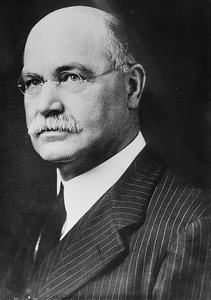
arthur taussig
1941 -
Quick Facts
- Artistic Movement Or Style:
- Multidisciplinary
- Primitive guitar
- Artists Or Movements Influenced By This Artist:
- American Primitive
- Jungian archetypes
- Artists Who Influenced This Artist:
- Elizabeth Cotten
- Mozart
- Date Of Birth: 1941
- Full Name: Arthur Taussig
- Nationality: American
- Notable Artworks: ['Statue of Liberty, Freemont']
- Place Of Birth: Los Angeles, CA