

 Preview
 Send
Send Share
Share
 Details

 Download
 Similars
 X-Ray
X-Ray Diaporama
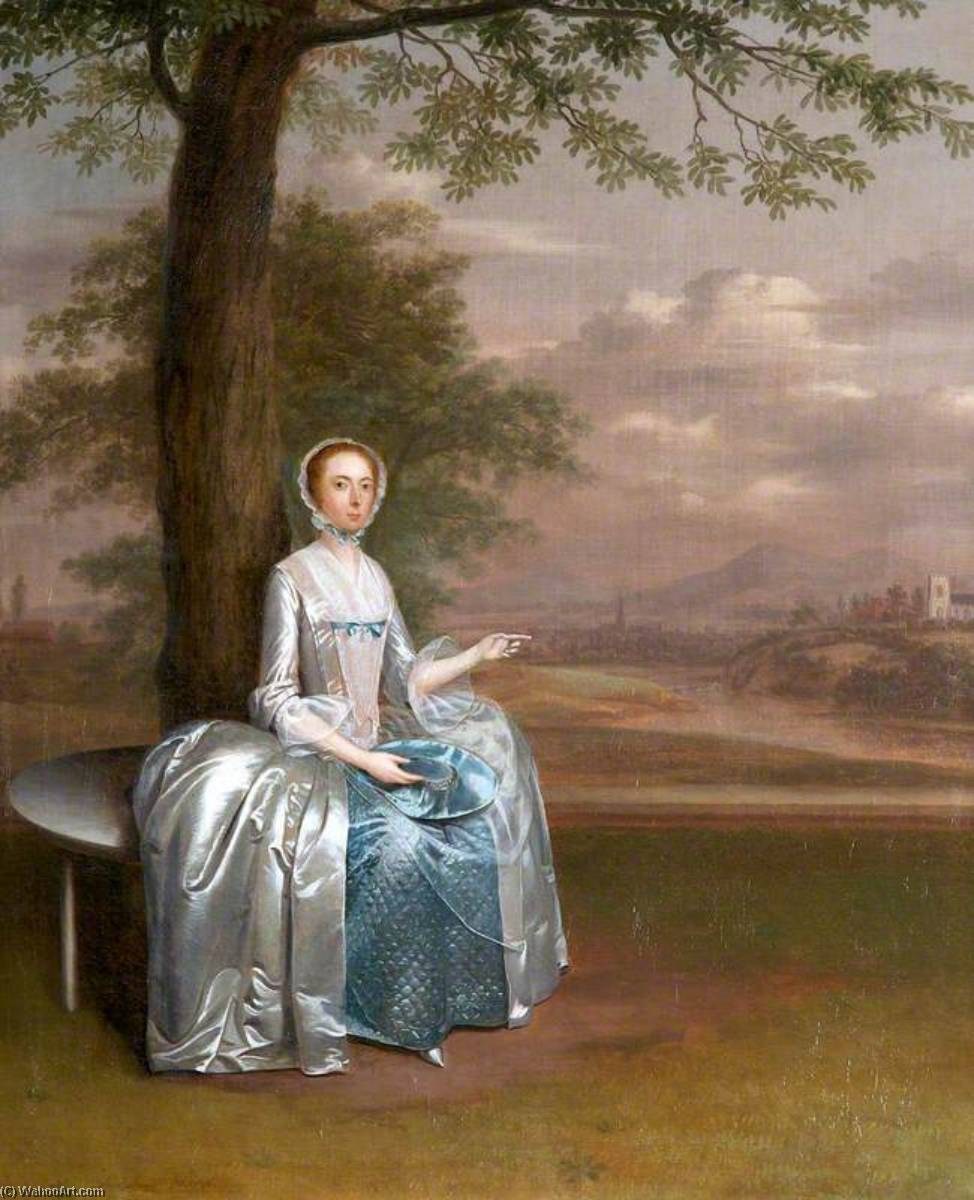
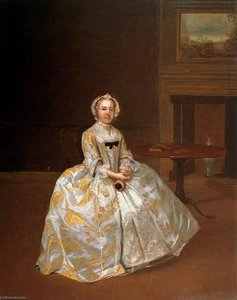
Mary Cawthorne (1724–1796), Mrs Morley Unwin
 Acrylic On Canvas
- WallArt
- Conversation Piece
 1750
1750 75.0 x 62.0 cm
 National Trust
 Read More
Purchase a high-resolution, enhanced digital image, far superior to the online preview.
Each file is meticulously prepared by our in-house specialists using advanced tools and expert manual retouching. We ensure every image has exceptional clarity, precise color accuracy, and fine detail.
The final file is delivered via email within 72 hours, optimized for immediate use in professional, editorial, and print environments. This is the same quality trusted by top-tier design studios, publishers, and galleries.
Digital Image
Download a high-resolution file for personal display, printing, and creative projects. ( Buy Print Buy Hand Made Painting)
Included in Every Digital Image Order
Expert Digital Delivery, Guaranteed
When you choose ArtsDot.com, you're not just getting an image - you're receiving a professionally enhanced digital artwork, crafted with precision and backed by a satisfaction guarantee. Here's everything that comes with your order, automatically:

Fast Email Delivery
Your high-resolution digital image file will be emailed to you within 72 hours of ordering - ready for immediate use.

AI-Enhanced Digital File
Your artwork is professionally optimized using advanced AI tools and manual editing, ensuring maximum detail, clarity, and color accuracy.

Free Lifetime Re-Delivery
Accidentally deleted or lost your file? No worries - we'll resend it to you anytime, free of charge.

No Import Fees - Ever
Enjoy your artwork instantly with zero customs, duties, or delivery fees - digital downloads are always tax-free.

Color Accuracy Guarantee
We ensure your digital image reflects the original colors as closely as possible using professional tools and color management.

60-Day Satisfaction Guarantee
If you're not satisfied with your digital image, we'll revise it or refund 100% within 60 days - no questions asked.

100% Money-Back Guarantee
Not satisfied? Get a full refund within 60 days of receiving your digital file - no questions asked.

Bulk Order Discounts
Buy 3 images, save 10% - Buy 5, save 15% - Buy 10+, save 20%. Great for creative projects, galleries, and agencies.
Collectible Description
A Portrait of Quiet Dignity: Mary Cawthorne, Mrs Morley Unwin by Arthur William Devis
Arthur William Devis’s “Mary Cawthorne (1724–1796), Mrs Morley Unwin,” painted circa 1750 and now residing within the hallowed halls of Knightshayes Court in Devon, is more than a simple portrait; it's a window into the domestic life and burgeoning intellectual circles of Georgian England. Devis, a master of the “conversation piece”—a genre that captured intimate scenes of family gatherings and refined interiors—here presents us with a woman radiating an understated elegance, seated beneath the dappled shade of a venerable tree.
The painting immediately draws the eye to its subject’s posture. Mary Cawthorne is depicted in a pose of serene contemplation, her hands resting gracefully on her lap, suggesting both composure and a quiet inner life. Her attire—a richly patterned blue and silver satin mantua, adorned with lace detailing— speaks volumes about her social standing and the fashion sensibilities of the era. The subtle use of color – the deep blues and silvers contrasted against the earthy tones of the tree trunk – creates a harmonious balance, reflecting the refined taste prevalent in upper-class society.
Devis’s skill lies not merely in his ability to render likeness but in his capacity to imbue his subjects with personality. Mary Cawthorne isn't simply a representation; she possesses an air of intelligence and gentle dignity. The inclusion of three birds – one on the left, another towards the top right corner, and a third near the center-right—adds a touch of life and movement to the scene, hinting at a connection with nature and perhaps even a sense of freedom within the confines of her social world. The distant church, rendered in muted tones, suggests a spiritual grounding, reflecting the importance of faith in 18th-century England.
The Artist’s Context: Arthur William Devis and the Conversation Piece
To fully appreciate “Mary Cawthorne,” it's crucial to understand the artistic landscape in which Devis operated. He was a prominent figure within the Free Society of Artists, a group that challenged the established norms of the Royal Academy and championed a more accessible style of portraiture. Devis’s work exemplifies the conversation piece—a genre characterized by its informal settings, relaxed poses, and focus on depicting domestic scenes. Unlike formal court portraits, these paintings aimed to capture the personality and character of their subjects in a relatable way.
Born in London in 1762, Devis inherited an artistic lineage from his father, Anthony Devis, also a painter. He honed his skills at the Royal Academy Schools, absorbing influences from luminaries like Sir Joshua Reynolds, while simultaneously forging his own distinctive style. His career spanned several decades, during which he produced a prolific body of work encompassing portraits, historical scenes, and depictions of naval life – most famously, his poignant rendering of Nelson’s death.
A Glimpse into 18th-Century Life
Beyond the aesthetic qualities of the painting, “Mary Cawthorne” offers a valuable glimpse into the social customs and intellectual currents of Georgian England. The presence of Morley Unwin, Mary's husband, is subtly implied through the composition—the tree itself acting as a framing device. The inclusion of the church suggests the importance of religion in everyday life, while the birds evoke a connection to nature and a sense of pastoral tranquility.
Furthermore, the painting’s association with William Cowper – Mary's close friend and fellow Evangelical Christian – adds another layer of significance. Cowper’s admiration for her is evident in his poetry, and this portrait serves as a tangible reminder of their enduring friendship. It’s a testament to Devis’s ability to capture not just the outward appearance but also the inner spirit of his subjects.
Collecting and Displaying: A Timeless Masterpiece
“Mary Cawthorne (1724–1796), Mrs Morley Unwin” is a captivating example of 18th-century portraiture, offering a rare insight into the lives and sensibilities of its time. Its intimate scale, refined composition, and subtle symbolism make it a truly remarkable work of art. Reproductions of this painting are highly sought after by collectors and interior designers alike, who appreciate its timeless beauty and evocative power. Whether displayed in a grand hall or a more modest setting, this portrait continues to captivate viewers with its quiet dignity and understated elegance.
Related Artworks
Artist Biography
Arthur William Devis (1762–1822): The Gentle Hand of Portraiture and History
Arthur William Devis (19 February 1712 – 25 July 1787) was an English painter whose father, Anthony, was progenitor of what became a family dynasty of painters and writers. The place of Arthur Devis in art history is generally as painter of the type of portrait now called a conversation piece. After moving to London and apprenticeship to a Flemish topographical artist there, he switched to portraiture and acquired a considerable reputation, although this success did not last. Unable to adapt to later fashionable artistic currents, his commissions declined and his work was largely forgotten after his death until the 20th century revival of interest in the conversation piece.- Early Life & Training: Devis’s artistic talent emerged early on, fueled by a familial legacy steeped in artistic tradition. Following in the footsteps of his elder brother Thomas Anthony Devis, who was also a painter, he enrolled at the Royal Academy Schools in 1774, immersing himself in the rigorous training demanded by the era's leading artistic institution. His formative years were marked by exposure to influential figures like Sir Joshua Reynolds, whose teachings profoundly shaped Devis’s stylistic sensibilities.
- Notable Commissions & Travels: Devis gained recognition through his membership in the Free Society of Artists and continued to exhibit his work at the Royal Academy, attracting considerable acclaim. A pivotal moment arrived in 1783 when he was appointed as draughtsman on the British East India Company’s packet antelope under Captain Henry Wilson. Tragically, Devis suffered a serious injury during an encounter with Papuans near the Schouten Islands and subsequently endured a shipwreck on the Pelw islands—challenges that nevertheless spurred him to persevere in his artistic endeavors.
Style & Technique: The Delicate Stroke of Elegance
Devis’s artistic style is characterized by an exquisite sensitivity to detail and a masterful command of technique, particularly evident in his portraits. He favored graceful poses—often depicting subjects in moments of quiet contemplation—creating images imbued with understated beauty and psychological depth. His palette tended towards muted tones, reflecting the prevailing aesthetic preferences of the late 18th century, yet he achieved remarkable luminosity through careful layering of glazes and subtle gradations of color. Devis’s meticulous observation of anatomy combined seamlessly with an intuitive understanding of human expression, resulting in portraits that captured not only physical likeness but also inner character.- Conversation Pieces: Devis excelled at capturing the essence of domestic life through “conversation pieces”—genre paintings depicting scenes of familial gatherings or intimate interiors—a style highly valued during his time.
- Historical Subjects: Beyond portraiture, Devis undertook ambitious historical commissions, notably the depiction of Nelson’s death and a posthumous portrait honoring Admiral Horatio Nelson.
Significant Works & Legacy
Devis produced an impressive oeuvre encompassing approximately sixty-five paintings that graced the Royal Academy galleries between 1779 and 1821, cementing his reputation as one of London’s foremost artists. Among his most celebrated achievements include:- Portrait of Sir William Jones: This masterpiece resides at the British Library, showcasing Devis's exceptional skill in capturing dignified composure and intellectual curiosity.
- Nelson Portraits: His depictions of Nelson—both as Vice Admiral and posthumously—remain iconic representations of naval heroism and national pride.
- Other Notable Commissions: He undertook commissions for prominent figures such as King George III on horseback, Lord Howe, and Sir Roger Newdigate, demonstrating his versatility and artistic ambition.
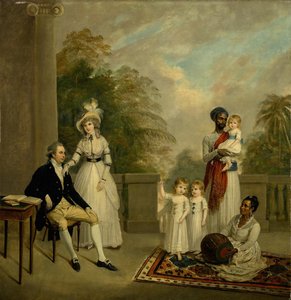
arthur william devis
1712 - 1787 , United Kingdom
Quick Facts
- Artistic Movement Or Style: Portraiture; History Painting
- Artists Or Movements Influenced By This Artist: ['Conversation Piece']
- Artists Who Influenced This Artist: ['Joshua Reynolds']
- Date Of Birth: August 10, 1762
- Date Of Death: July 25, 1822
- Full Name: Arthur William Devis
- Nationality: English
- Notable Artworks:
- Death of Nelson
- Nelson Portraits
- Master Simpson
- King George III on Horseback
- Babington Plot
- Magna Carta
- Place Of Birth: London, United Kingdom

