 Preview
 Send
Send Share
Share
 Details

 Download
 Similars
 X-Ray
X-Ray Diaporama
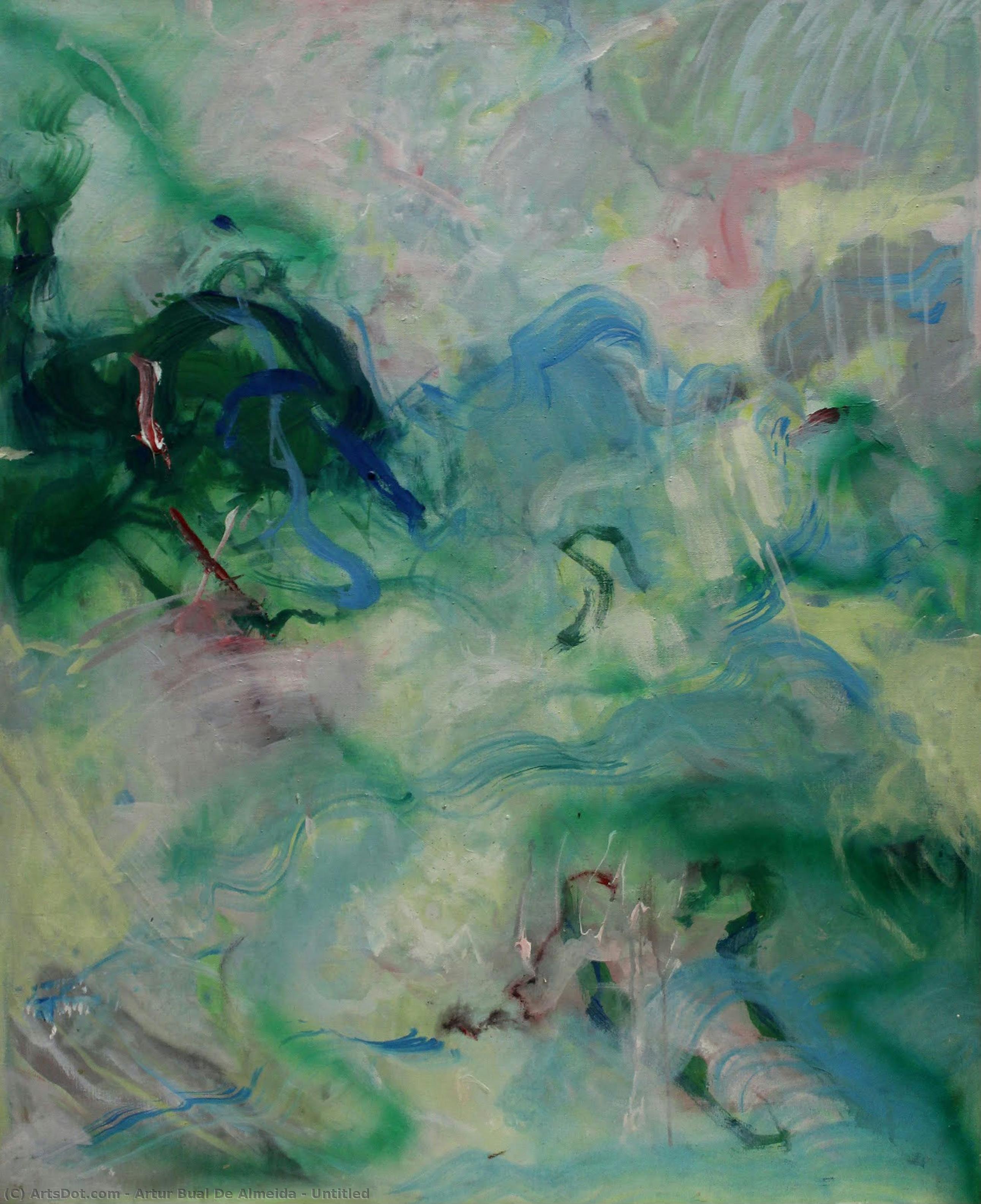
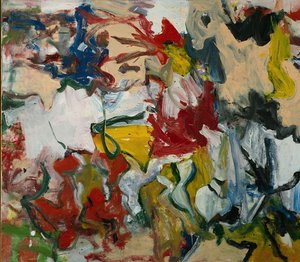
Untitled
 1978
1978 100.0 x 81.0 cm
 Rede Portuguesa de Arte Contemporânea a Norte
 Read More
Giclée / Art Print
Museum-quality giclée or canvas print with fast production and flexible finish options. ( Buy Hand Made Painting Buy Image)




































Pick from our preset sizes that match the artwork's original proportions.

You may enter your own dimensions to fit a specific frame or space. If your selected size does not match the original image's proportions, we will either crop the artwork or extend the image with a mirrored or solid-fill edge. A digital mockup will be sent for your approval before production begins.
Please note that the on-screen preview does not reflect the actual cropping or extension. Only the mockup will accurately show the final composition.
While custom sizes are available, we recommend selecting a dimension from the predefined list to preserve the original proportions.
Worldwide Delivery () in 2 weeks instead of standard 4/5 weeks. (17 August)

Free Worldwide Express Shipping

High-Quality Linen Canvas

Full Shipping Insurance

Customs Tax Refund Guarantee

True Color Matching Guarantee

60-Day Return Policy (Defects Only)

100% Money-Back Guarantee

Bulk Discount Offer
 Glass option is only available in size under 110 CM

Untitled
Giclée / Art Print
Reproduction Size
-


Total Price
$ 63
Related Artworks
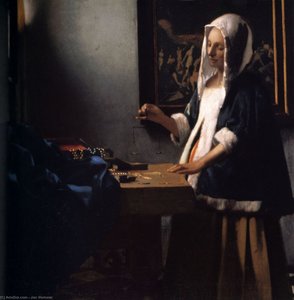
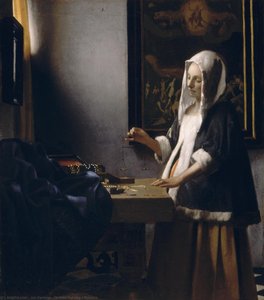
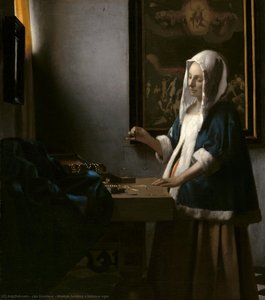


Artist Biography
Mary Stevenson Cassatt: A Pioneer of Intimate Modernity
Born in Allegheny City, Pennsylvania – now part of Pittsburgh – in 1844, Mary Stevenson Cassatt emerged as a singular voice within the vibrant landscape of late 19th-century art. Her life was one of transatlantic journeys and artistic evolution, culminating in a body of work profoundly shaped by her experiences in both America and France. Initially influenced by academic training at the Pennsylvania Academy of Fine Arts, Cassatt’s trajectory shifted dramatically upon relocating to Paris in 1865, an event that irrevocably altered her artistic perspective and propelled her toward the burgeoning world of Impressionism. Her early years were marked by a quiet determination to establish herself as an artist, navigating the restrictive social conventions of the time while simultaneously seeking formal training and exposure within the European art scene.
Early Influences and Parisian Apprenticeship
Cassatt’s formative artistic education unfolded through a combination of private instruction and immersion in established artistic practices. She began her studies with Jean-Léon Gérôme, a prominent academic painter known for his historical scenes, providing her with a foundational understanding of composition and technique. However, it was her time spent copying the works of Old Masters – Correggio and Parmigianino in Parma, Italy – that proved particularly transformative. This period instilled within her a deep appreciation for classical form and color theory, which she would later subtly integrate into her own distinctive style. Crucially, her interactions with Carlo Raimondi, head of engraving at the Parma Academy, honed her skills in printmaking, an art form she would master and utilize throughout her career to explore themes of domesticity and female experience.
Embracing Impressionism: A Shift in Perspective
Upon returning to Paris in 1874, Cassatt found herself at the heart of a revolutionary artistic movement – Impressionism. While she never fully embraced the group’s overtly rebellious stance, her association with Edgar Degas proved pivotal. Degas, a key figure within the Impressionist circle, became a mentor and friend, offering invaluable guidance on technique, composition, and the exploration of fleeting moments in everyday life. Cassatt's paintings began to reflect this new influence, characterized by looser brushstrokes, an emphasis on capturing light and atmosphere, and a focus on depicting scenes of modern urban life – particularly the intimate world of women and children. Her work diverged from the traditional academic style, prioritizing observation and personal perception over rigid representation.
Themes of Domesticity and Female Experience
Cassatt’s artistic focus centered largely on portraying the lives of women, particularly mothers and their children. Unlike many male artists who depicted female subjects in grand historical or mythological settings, Cassatt chose to capture the quiet moments of domestic life – a mother nursing her child, a young girl practicing piano, a woman reading a letter. These scenes were rendered with remarkable sensitivity and psychological insight, revealing the complexities of maternal love, childhood innocence, and the subtle nuances of female relationships. Her prints, in particular, became renowned for their poignant depictions of these themes, offering a fresh perspective on the experiences of women within the confines of the home.
Legacy and Historical Significance
Mary Stevenson Cassatt’s contribution to art history extends far beyond her individual paintings. She was one of the few American artists to achieve international recognition as an Impressionist, bridging the gap between European artistic innovation and the burgeoning American art scene. Her work challenged conventional notions of femininity in art, offering a nuanced portrayal of women's lives that resonated with audiences long after her death in 1926. Today, Cassatt’s paintings are celebrated for their delicate beauty, psychological depth, and enduring relevance – testaments to the power of observation, empathy, and artistic vision. Her legacy continues to inspire artists and viewers alike, reminding us of the importance of capturing the quiet moments that shape our lives.
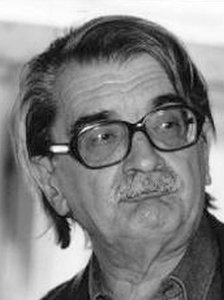
artur bual de almeida
1926 - 1999 , Portugal
Quick Facts
- Artistic Movement Or Style: Impressionism
- Artists Or Movements Influenced By This Artist:
- Degas
- Manet
- Artists Who Influenced This Artist:
- Eugène Boudin
- Mary Cassatt
- Date Of Birth: May 22, 1844
- Date Of Death: June 14, 1926
- Full Name: Mary Stevenson Cassatt
- Nationality: American
- Notable Artworks:
- The Mandolin Player
- Little Girl in a Blue Armchair
- At the Opera
- Place Of Birth: Allegheny City, PA