 Preview
 Send
Send Share
Share
 Details

 Download
 Similars
 X-Ray
X-Ray Diaporama
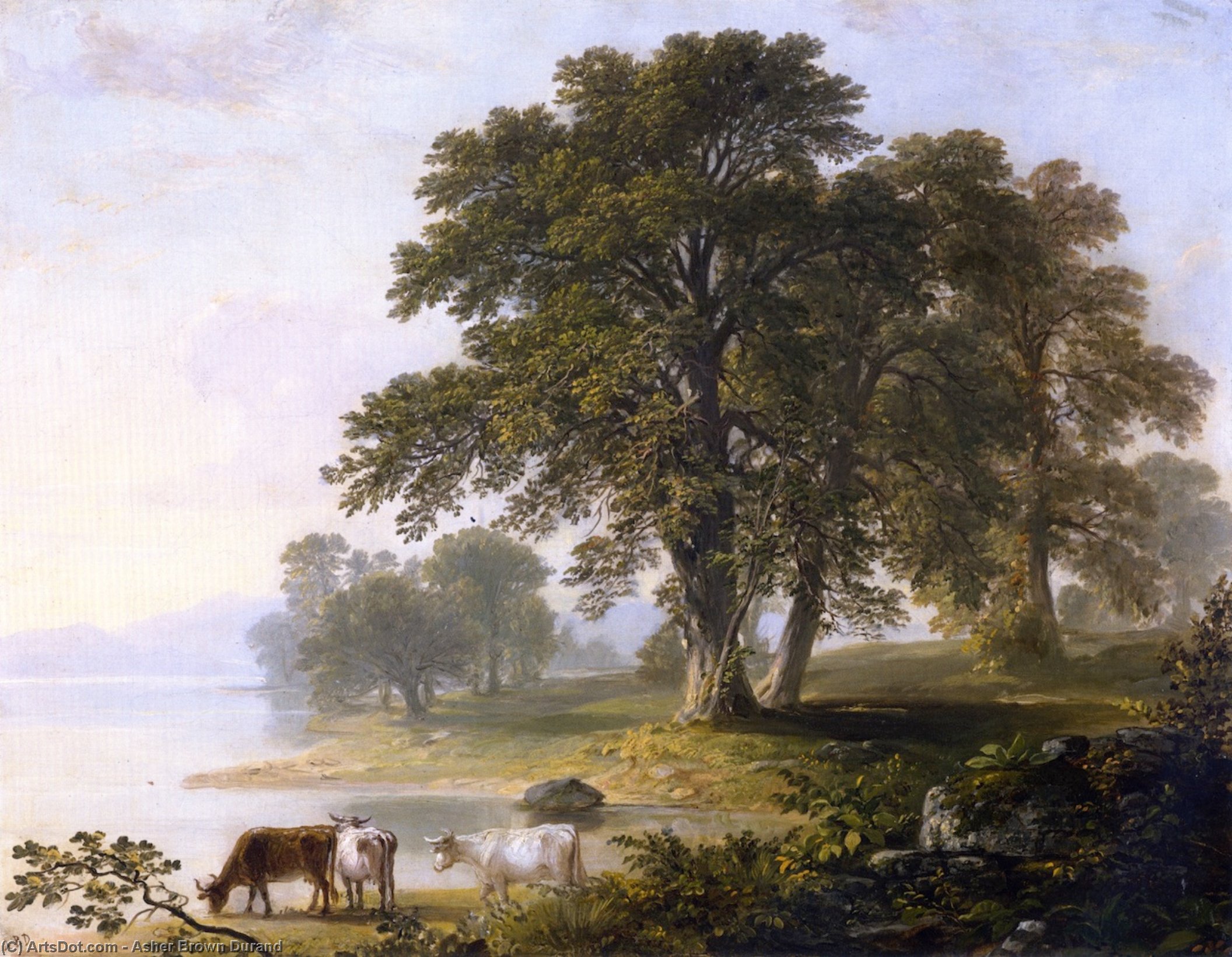
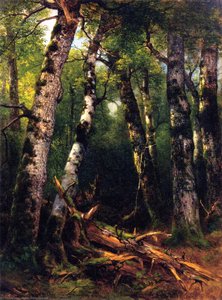
Study for Summer Afternoon (also known as Summer Afternoon)


 Read More
Hand Made Oil Reproduction
Hand-painted oil on canvas in your size and frame, made to order by our artists. ( Buy Print Buy Image)




P118B $10

P118H $10

P118W $10

P438Z $10

P508JH $12

P508YH $12

P805H $10

P805Z $10

P919BZ $10

P919G $10

P919XJ $10

P959ZH $10

P968JZ $12

W106C $8

W218G $10

W218JH $8

W218Y $10

W307PJ $10

W316G $10

W316PJ $8

W316Y $10

W398PJ $8

W4111J $10

W500HY $15

W500JH $15

W692G $12

W849H $8

W940BG $15

W953PJ $8




Pick from our preset sizes that match the artwork's original proportions.

You may enter your own dimensions to fit a specific frame or space. If your selected size does not match the original image's proportions, we will either crop the artwork or extend the painting with additional hand-painted elements. A digital mockup will be sent for your approval before production begins.
Please note that the on-screen preview does not reflect the actual cropping or extension. Only the mockup will accurately show the final composition.
While custom sizes are available, we recommend selecting a dimension from the predefined list to preserve the original proportions.
After order, ArtsDot.com team will email client for instructions and provide a mockup preview
Worldwide Delivery () in 3/4 weeks instead of standard 5 weeks. (16 August). No compromise on quality.

Free Worldwide Express Shipping

High-Quality Linen Canvas

Full Shipping Insurance

Customs Tax Refund Guarantee

True Color Matching Guarantee

60-Day Return Policy (Defects Only)

100% Money-Back Guarantee

Bulk Discount Offer
 Glass option is only available in size under 110 CM

Study for Summer Afternoon (also known as Summer Afternoon)
Reproduction Medium
Reproduction Size
-


Total Price
$ 263
Artwork Description
A Moment of Tranquility: Asher Brown Durand’s “Summer Afternoon”
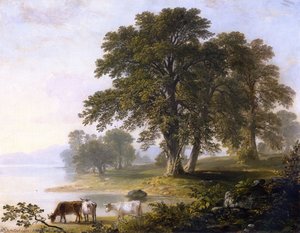
Asher Brown Durand's "Summer Afternoon," painted in 1865, isn’t merely a depiction of a pastoral scene; it’s an invitation to stillness, a carefully constructed tableau designed to evoke the profound peace found within nature. Housed within the hallowed halls of the Metropolitan Museum of Art in New York City, this oil painting transcends its physical form, transporting the viewer to a sun-drenched meadow where time seems to slow and worries dissolve. Durand, a leading figure of the Hudson River School, masterfully employed his meticulous training as an engraver – honed by years spent rendering intricate detail with unparalleled precision – to capture not just what he saw, but also the very *feeling* of that summer’s day. The painting's enduring appeal lies in its ability to resonate deeply with our innate desire for respite and connection with the natural world.The Scene Unfolds: Composition and Detail
The composition is deceptively simple, yet profoundly effective. Two cows, rendered with a remarkable sensitivity to form and texture, stand placidly in a grassy meadow beside a gently flowing stream. The light, filtered through the leaves of surrounding trees, casts dappled shadows across the landscape, creating an atmosphere of luminous warmth. Notice the subtle variations in color – the deep greens of the grass, the muted blues of the water, the warm ochres and browns of the cows’ hides – all meticulously blended to create a sense of realism that borders on dreamlike. Durand's attention to detail is astonishing; observe the individual blades of grass, the ripples in the water, the delicate veins in the leaves. This level of precision wasn’t simply about accuracy; it was a deliberate attempt to capture the essence of nature itself, translating its complexity into a single, unified image. The inclusion of a distant horse grazing further back adds depth and scale to the scene, grounding the viewer within this idyllic landscape.Hudson River School: Romanticism Rooted in Observation
“Summer Afternoon” is a quintessential example of Hudson River School painting – a movement that flourished in America during the mid-19th century. Unlike earlier romantic landscapes focused on dramatic, sublime vistas, the Hudson River School prioritized detailed observation and a reverence for nature’s beauty. Artists like Durand sought to capture not just the grandeur of the American wilderness, but also its quiet dignity and inherent harmony. They believed that through careful study and artistic representation, they could inspire a sense of appreciation for the natural world and foster a deeper connection between humanity and its environment. Durand's work reflects this philosophy, emphasizing the restorative power of nature and inviting contemplation on the simple pleasures of life.Symbolism and Emotional Resonance
Beyond its technical brilliance, “Summer Afternoon” is rich in symbolic meaning. The cows, symbols of peace and abundance, represent a connection to the earth and a celebration of rural life. The flowing stream symbolizes continuity and renewal, while the dappled sunlight evokes feelings of warmth, joy, and tranquility. Durand’s masterful use of light and shadow creates a sense of serenity and invites the viewer to escape the stresses of modern life. The painting speaks to a fundamental human need for connection with nature – a longing for simplicity, beauty, and a moment of quiet contemplation. It's a reminder that even in the midst of a busy world, we can always find solace in the restorative power of the natural landscape.A Legacy of Beauty: Reproductions and Inspiration
Today, “Summer Afternoon” continues to captivate audiences with its timeless beauty and profound emotional resonance. High-quality reproductions, such as those offered by Ocean’s Bridge, allow art lovers everywhere to experience Durand's masterpiece in their own homes. Owning a faithful reproduction is not simply acquiring a decorative object; it’s bringing a piece of American artistic history into your life – a testament to the enduring power of nature and the artistry of Asher Brown Durand. Consider this painting as more than just a visual delight, but as an invitation to slow down, breathe deeply, and appreciate the simple beauty that surrounds us.Related Artworks
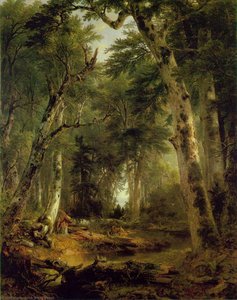
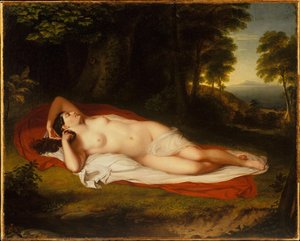
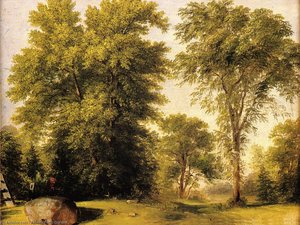
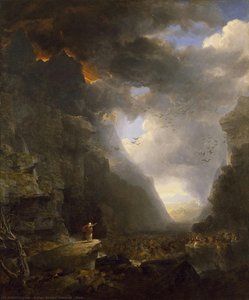
Artist Biography
A Life Rooted in the American Landscape
Asher Brown Durand, born August 21, 1796, in Maplewood, New Jersey, wasn’t initially destined for a life steeped in paint and canvas. His early years were shaped by the practical world of his father, a watchmaker and silversmith, instilling in him a meticulous attention to detail that would later profoundly influence his artistic approach. This foundation in craftsmanship led to an apprenticeship with engraver Peter Maverick in 1812, a path that initially seemed to define his career. Durand quickly proved himself exceptionally skilled, becoming a partner in the firm and establishing its New York City branch. His reputation as an engraver soared after completing the intricate reproduction of John Trumbull’s *The Declaration of Independence* in 1823 – a feat that cemented his standing within the artistic community. However, beneath the precision of engraving lay a burgeoning passion for capturing the raw beauty of the natural world, a calling that would ultimately lead him to become a pivotal figure in American art.From Engraving to Embracing Nature’s Palette
The transition from meticulous engraver to celebrated landscape painter wasn't immediate. Durand continued his engraving work while simultaneously exploring painting, initially focusing on portraiture and genre scenes. A crucial turning point arrived with the patronage of Luman Reed in the 1830s, who encouraged him to fully embrace his artistic inclinations. Reed’s support allowed Durand to dedicate himself more completely to painting, a pursuit further ignited by a transformative sketching expedition with his close friend, Thomas Cole, in the Adirondacks in 1837. This journey into the untamed wilderness proved pivotal; it was here that Durand truly discovered his calling – to capture the sublime grandeur of the American landscape. He began to spend summers immersed in nature, meticulously documenting the Catskills, Adirondacks, and White Mountains through countless drawings and oil sketches. These studies weren’t merely preparatory exercises but became integral to his artistic process, informing the compositions and details of his finished paintings.A Founding Voice of the Hudson River School
Durand's dedication to landscape painting aligned him with a growing circle of artists who shared a similar vision – a group that would become known as the Hudson River School. He was among its founding members, alongside Cole, and played a vital role in establishing the school’s distinctive aesthetic. The Hudson River School wasn’t simply about depicting scenery; it was about imbuing landscapes with emotional resonance and spiritual significance. Durand's work embodies this philosophy, characterized by a meticulous realism combined with a romantic sensibility. He believed in observing nature with unwavering accuracy but also recognized its power to evoke feelings of awe, reverence, and the sublime. His paintings weren’t just representations of places; they were expressions of his deep connection to the American wilderness and a celebration of God's creation.Legacy and Enduring Influence
Durand’s influence extended beyond his own artistic output. He served as president of the National Academy of Design from 1845 to 1861, using his position to champion American art and nurture emerging talent. He also penned insightful “Letters on Landscape Painting” published in *The Crayon* – a significant art periodical – articulating his artistic principles and advocating for direct observation from nature. His commitment to realism and detailed representation set a high standard for subsequent generations of landscape painters. Works like *Kindred Spirits*, painted in 1849 as a tribute to Thomas Cole, became iconic representations of the Hudson River School aesthetic and continue to resonate with viewers today. The painting’s depiction of Cole and poet William Cullen Bryant amidst a serene woodland scene encapsulates the school's reverence for nature and its belief in the power of art to connect humanity with the divine. Durand’s paintings offer more than just picturesque views; they provide a window into 19th-century America, reflecting its evolving relationship with the natural world and its burgeoning sense of national identity. His legacy endures not only through his captivating canvases but also through his enduring influence on American landscape painting and his unwavering commitment to capturing the beauty and spiritual significance of the land.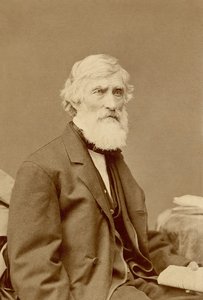
Asher Brown Durand
1796 - 1886 , United States of America
Quick Facts
- Artistic Movement Or Style: Hudson River School
- Artists Or Movements Influenced By This Artist: ['Hudson River School']
- Artists Who Influenced This Artist: ['Thomas Cole']
- Date Of Birth: August 19, 1796
- Date Of Death: 1886
- Full Name: Asher Brown Durand
- Nationality: American
- Notable Artworks:
- Landscape, Composition
- The Solitary Oak
- Sketch in the Woods
- Canoes in rapids
- Place Of Birth: New York City, USA
Related Articles
Hudson River School: 10 Masterpieces That Capture America's Wild Beauty | ArtsDot
Journey through America's breathtaking landscapes with our guide to the Top 10 Hudson River School masterpieces. Explore Thomas Cole, Frederic Church & more! Find museum-quality art reproductions and elevate your home decor at ArtsDot.com.
Asher Brown Durand: Luminism, Landscape & the American Ideal – A Comprehensive Exploration
Explore the life & art of Asher Brown Durand, a founding member of the Hudson River School. Discover his masterful landscapes, Luminist techniques, and lasting impact on American painting. Learn about key works like 'Kindred Spirits' & collecting Durand today.
The Sublime Landscape: Exploring the Hudson River School Movement
Explore the captivating world of the Hudson River School! Discover the history, artists, and defining characteristics of this iconic American art movement. Learn about Romanticism's influence & find inspiration for your collection.
Robert Spencer: Luminism, Narrative & the American Landscape Tradition
Explore the captivating world of Luminism & the Hudson River School with our expert analysis. Discover the history, artists, and enduring beauty of 19th-century American landscape painting. Find museum-quality reproductions at ArtsDot.
David Johnson: A Luminist Master of the Hudson River School & Beyond
Explore the captivating landscapes of David Johnson, a key figure in the Hudson River School & Luminism movement. Discover his artistic evolution, legacy, and how to collect his works with ArtsDot.