 Preview
 Send
Send Share
Share
 Details

 Download
 Similars
 X-Ray
X-Ray Diaporama
 Stats
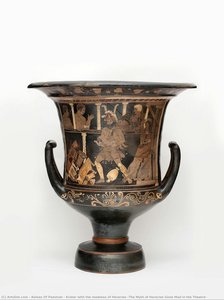
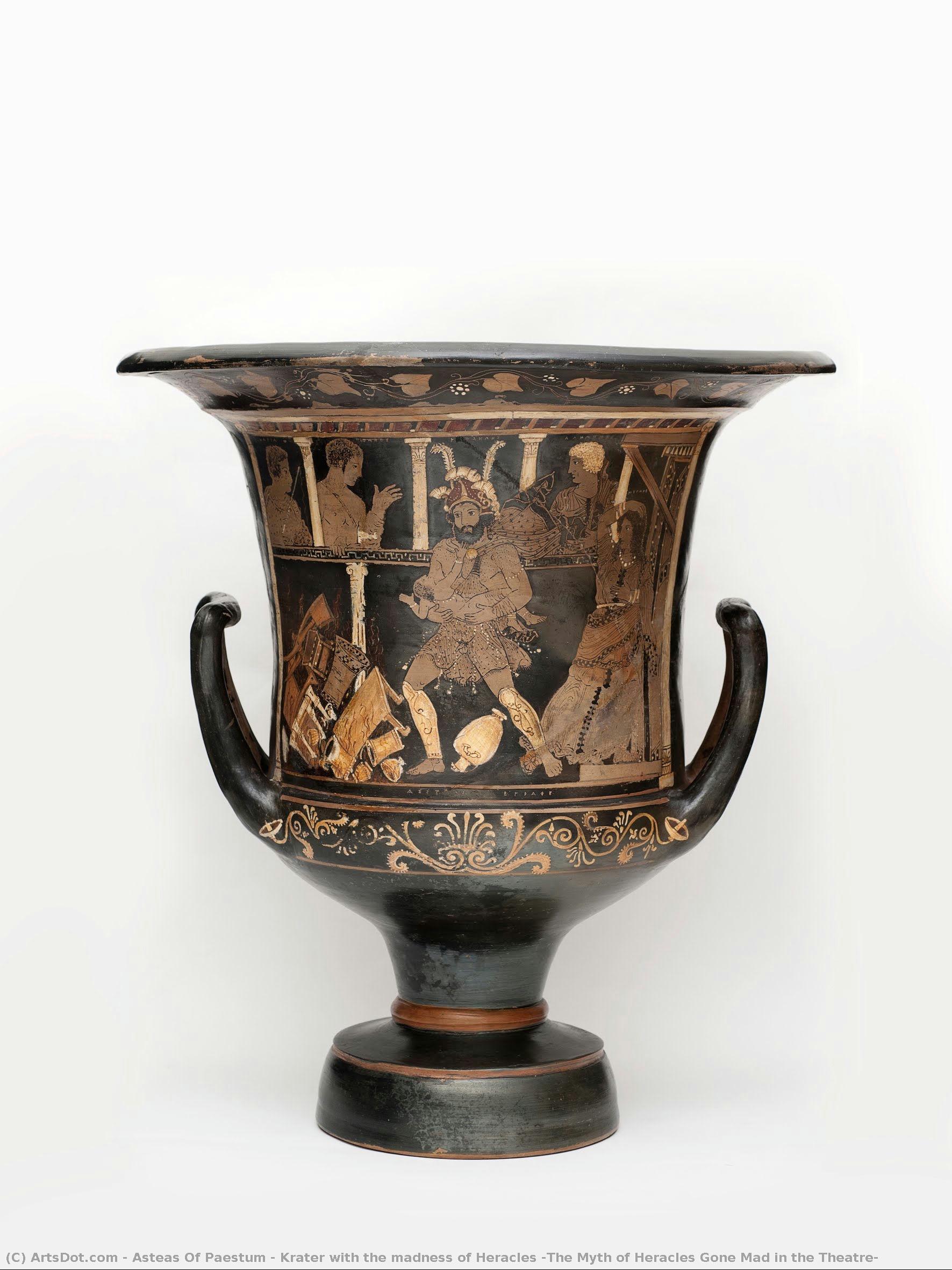
StatsKrater with the madness of Heracles (The Myth of Heracles Gone Mad in the Theatre)

 Read More
Hand Made Oil Reproduction
Hand-painted oil on canvas in your size and frame, made to order by our artists. ( Switch to Print Switch to Digital Image)




































Pick from our preset sizes that match the artwork's original proportions.

You may enter your own dimensions to fit a specific frame or space. If your selected size does not match the original image's proportions, we will either crop the artwork or extend the painting with additional hand-painted elements. A digital mockup will be sent for your approval before production begins.
Please note that the on-screen preview does not reflect the actual cropping or extension. Only the mockup will accurately show the final composition.
While custom sizes are available, we recommend selecting a dimension from the predefined list to preserve the original proportions.
After order, ArtsDot.com team will email client for instructions and provide a mockup preview
Worldwide Delivery () in 3/4 weeks instead of standard 5 weeks. (8 September). No compromise on quality.

Free Worldwide Express Shipping

High-Quality Linen Canvas

Full Shipping Insurance

Customs Tax Refund Guarantee

True Color Matching Guarantee

100-Day Return Policy (Defects Only)

100% Money-Back Guarantee

Bulk Discount Offer
 Glass option is only available in size under 110 CM

Krater with the madness of Heracles (The Myth of Heracles Gone Mad in the Theatre)
Reproduction Medium
Reproduction Size
-


Total Price
$ 263
Related Artworks





Artist Biography
The Master of Paestum: A Legacy in Red and Clay
In the sun-drenched landscape of Magna Graecia, where the echoes of Greek culture resonated deeply within the soil of Southern Italy, the name Asteas emerges as a rare and luminous beacon. While many artisans of the ancient world remained anonymous shadows behind their craft, Asteas stands as one of the few vase painters from the colonies whose individual identity has survived the relentless erosion of centuries. Active during the mid-5th century BC in the thriving Greek colony of Paestum, he was not merely a craftsman but a conductor of drama, commanding a prolific workshop that breathed life into clay through the revolutionary red-figure technique.
To understand Asteas is to understand the vibrant cultural crossroads of his era. Born and trained in Paestum, he operated within an environment where Hellenic traditions met the burgeoning influences of the Italian peninsula. This fertile ground for innovation allowed his workshop to specialize in grand vessels such as hydriai (water jugs) and kraters (mixing bowls)—objects designed not just for utility, but as canvases for storytelling. His work represents a pinnacle of ceramic artistry, where the physical medium of terracotta was transformed into a stage for the most profound human emotions and divine interventions.
The Art of Narrative: Myth and Theatre Unfolded
The true genius of Asteas lies in his ability to capture movement and psychological tension within the static confines of pottery. He was a master of the red-figure method, a technique that allowed for a level of anatomical precision and fluid drapery previously unimaginable in the older black-figure style. By leaving the figures in the natural reddish hue of the clay and painting the background with a dark slip, Asteas could use fine, delicate lines to trace the musculature of heroes or the frantic, fluttering folds of a goddess's robe. This allowed for a nuanced realism that made his mythological scenes feel startlingly immediate.
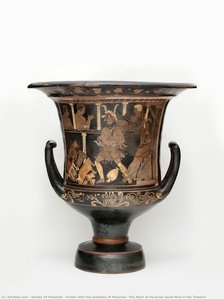
His subject matter often leaned toward the theatrical and the tragic, bridging the gap between the pottery workshop and the Greek stage. One of his most breathtaking achievements is the Krater with the Madness of Heracles. In this piece, the viewer is thrust into a moment of harrowing intensity: the hero, driven to temporary insanity by the wrath of Hera, stands over a pyre, mistaking his own son for a rival's child. The composition is a masterclass in emotional choreography, capturing the terror of his wife Megara and the desperate reaching of the innocent child. Through such works, Asebts did more than decorate vessels; he preserved the heartbeat of ancient Greek drama.
Historical Significance and Artistic Endurance
The enduring importance of Asteas extends far beyond the aesthetic beauty of his vases. He represents a vital link in the evolution of Mediterranean art, demonstrating how Greek artistic standards were adapted and flourished in the Western colonies. His workshop served as a center of excellence, influencing the stylistic trajectory of Paestan pottery for generations. The presence of inscriptions on his works—identifying gods, heroes, and even personifications like Mania (the goddess of madness)—highlights a sophisticated level of literacy and iconographic complexity that continues to fascinate modern archaeologists.
Today, the fragments of Asteas's world reside in the great museums of the world, from the Louvre in Paris to the National Archaeological Museum in Naples. Each vessel serves as a window into a lost epoch, reminding us of a time when art was an immersive experience of myth, ritual, and human struggle. His legacy remains etched in the very texture of the clay, a testament to a master who found a way to make the ephemeral stories of gods and men endure through the permanence of art.
asteas of paestum
Italy
Quick Facts
- Artistic Movement Or Style: Red-figure pottery
- Full Name: asteas of paestum
- Nationality: Greek
- Notable Artworks:
- Krater with the madness of Heracles
- Red-Figure Calyx-Krater of the Abduction of Europa
- Place Of Birth: Paestum, Italy