

 Preview
 Send
Send Share
Share
 Details

 Download
 Similars
 X-Ray
X-Ray Diaporama
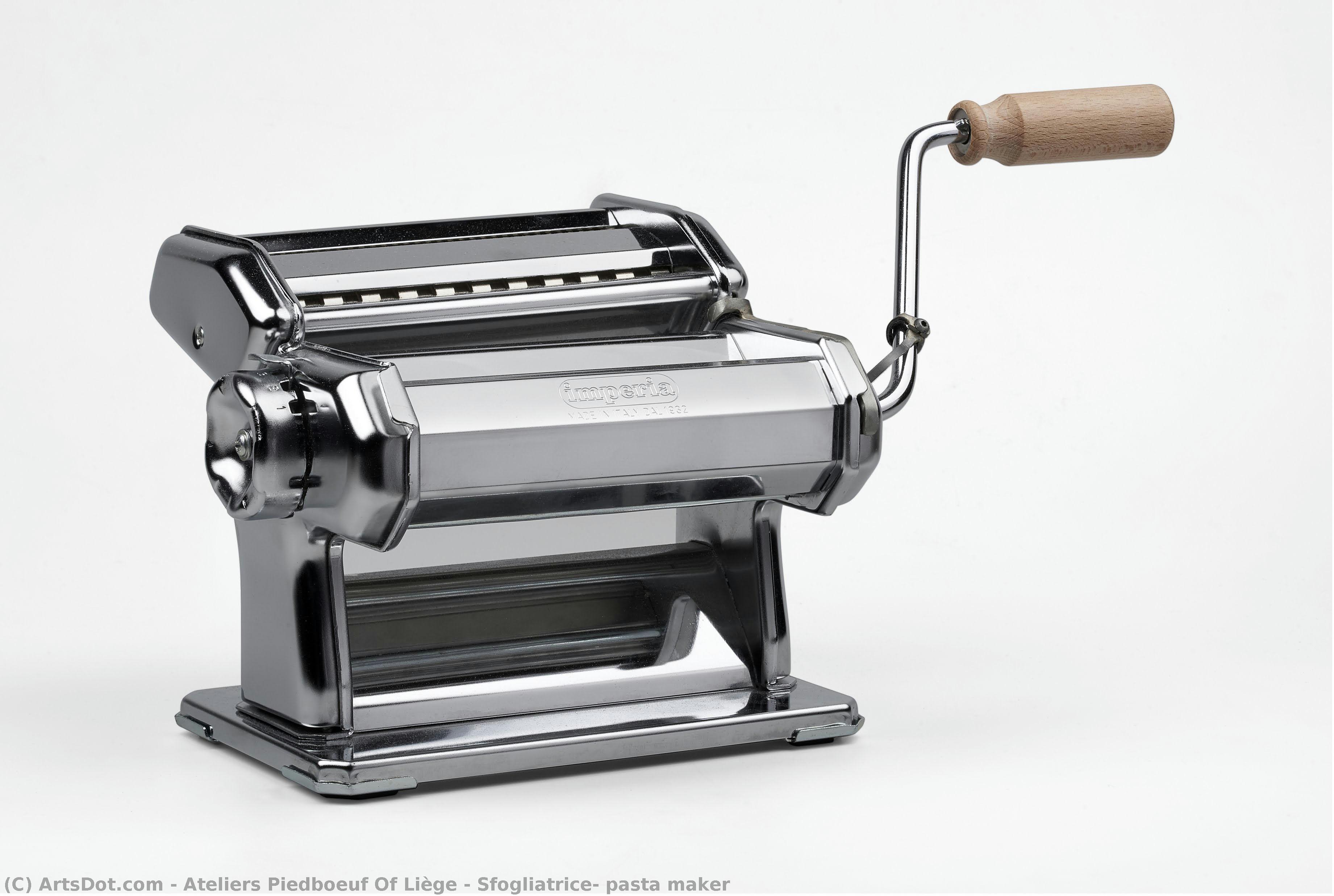
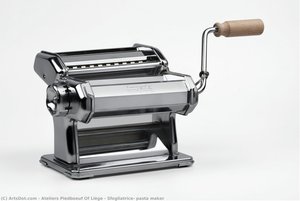
Sfogliatrice, pasta maker


 Read More
Purchase a high-resolution, enhanced digital image, far superior to the online preview.
Each file is meticulously prepared by our in-house specialists using advanced tools and expert manual retouching. We ensure every image has exceptional clarity, precise color accuracy, and fine detail.
The final file is delivered via email within 72 hours, optimized for immediate use in professional, editorial, and print environments. This is the same quality trusted by top-tier design studios, publishers, and galleries.
Digital Image
Download a high-resolution file for personal display, printing, and creative projects. ( Buy Print Buy Hand Made Painting)
Included in Every Digital Image Order
Expert Digital Delivery, Guaranteed
When you choose ArtsDot.com, you're not just getting an image - you're receiving a professionally enhanced digital artwork, crafted with precision and backed by a satisfaction guarantee. Here's everything that comes with your order, automatically:

Fast Email Delivery
Your high-resolution digital image file will be emailed to you within 72 hours of ordering - ready for immediate use.

AI-Enhanced Digital File
Your artwork is professionally optimized using advanced AI tools and manual editing, ensuring maximum detail, clarity, and color accuracy.

Free Lifetime Re-Delivery
Accidentally deleted or lost your file? No worries - we'll resend it to you anytime, free of charge.

No Import Fees - Ever
Enjoy your artwork instantly with zero customs, duties, or delivery fees - digital downloads are always tax-free.

Color Accuracy Guarantee
We ensure your digital image reflects the original colors as closely as possible using professional tools and color management.

60-Day Satisfaction Guarantee
If you're not satisfied with your digital image, we'll revise it or refund 100% within 60 days - no questions asked.

100% Money-Back Guarantee
Not satisfied? Get a full refund within 60 days of receiving your digital file - no questions asked.

Bulk Order Discounts
Buy 3 images, save 10% - Buy 5, save 15% - Buy 10+, save 20%. Great for creative projects, galleries, and agencies.
Related Artworks






Artist Biography
The Industrial Symphony of Ateliers Piedboeuf of Liège
In the heart of Belgium’s Liège Province, where the rhythmic pulse of industry once met the quietude of the Ardennes, a unique legacy was forged. Ateliers Piedboeuf of Liège stands not merely as a footnote in automotive history, but as a profound intersection of mechanical precision and an almost sculptural approach to engineering. Emerging from the workshop traditions of Nessonvaux in 1906, this enterprise began its journey far removed from the glamour of the racetrack, rooted instead in the rugged, practical world of agricultural machinery. It was through the visionary foresight of Jean-Baptiste Pieper that the company underwent a metamorphosis, merging with Springuel to pivot toward the burgeoning frontier of automobile production—a transition that would eventually define the early twentieth-century Belgian spirit.
The soul of this era was defined by the brilliant mind of Paul Henze, whose appointment as chief designer transformed the company from a manufacturer into a laboratory of aerodynamic thought. Henze did not merely view the automobile as a carriage without horses; he saw it as a fluid entity that must dance with the wind. By championing radical aerodynamic principles long before they became industry standards, he infused Piedboeuf’s creations with an inherent stability and efficiency. This period of innovation was characterized by a relentless pursuit of perfection, where every curve of the chassis and every stroke of the engine piston was calculated to harmonize with the physical laws of motion.
A Legacy of Innovation and Engineering Mastery
What truly set Ateliers Piedboeuf apart from its contemporaries was an unprecedented commitment to empirical testing and technological advancement. The establishment of a substantial rooftop test track in Nessonvaux remains one of the most evocative chapters in Belgian engineering history. This elevated arena allowed engineers to subject their four-cylinder engines to rigorous, real-world evaluations, pushing the boundaries of what was possible under varying conditions. It was within this high-altitude crucible that the company’s reputation as a technological vanguard was cemented, turning every mechanical iteration into a documented triumph of design.
The zenith of this creative and technical journey arrived in 1928 with the introduction of the monobloc 12hp engine. This achievement represented the pinnacle of Henze’s design philosophy, showcasing a seamless integration of power and structural elegance. The monobloc engine was more than a mechanical component; it was a testament to the company's ability to synthesize complex engineering into a singular, groundbreaking unit. Even as the shadows of the Great Depression began to loom over the global economy, the spirit of Piedboeuf remained anchored in this era of monumental progress, leaving behind a legacy that continues to inspire those who find beauty in the marriage of steel and motion.
The historical significance of Ateliers Piedboeuf of Liège can be summarized through several key pillars of their existence:
- The Fusion of Art and Industry: The ability to treat mechanical design with the same meticulous care as fine craftsmanship.
- Pioneering Aerodynamics: The early adoption of wind-resistant principles that prioritized both speed and stability.
- Technological Rigor: The use of specialized facilities, such as the rooftop test track, to ensure unparalleled engine performance.
- The Henze Influence: A design era defined by the visionary engineering of Paul Henze, which elevated Belgian automotive art to international prominence.
ateliers piedboeuf of liège
1906 - 1948 , Belgium
Quick Facts
- Artistic Movement Or Style: Automobilia
- Artists Or Movements Influenced By This Artist: ['Early Automotive History']
- Artists Who Influenced This Artist: ['Paul Henze']
- Date Of Birth: 1906
- Full Name: Ateliers Piedboeuf of Liège
- Nationality: Belgian
- Notable Artworks: ['Sfogliatrice, pasta maker']
- Place Of Birth: Nessonvaux, Belgium

