 Preview
 Send
Send Share
Share
 Details

 Download
 Similars
 X-Ray
X-Ray Diaporama
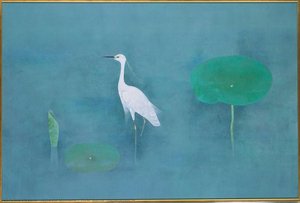
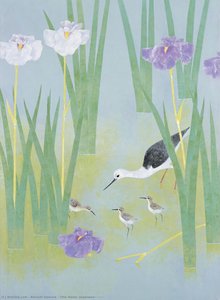
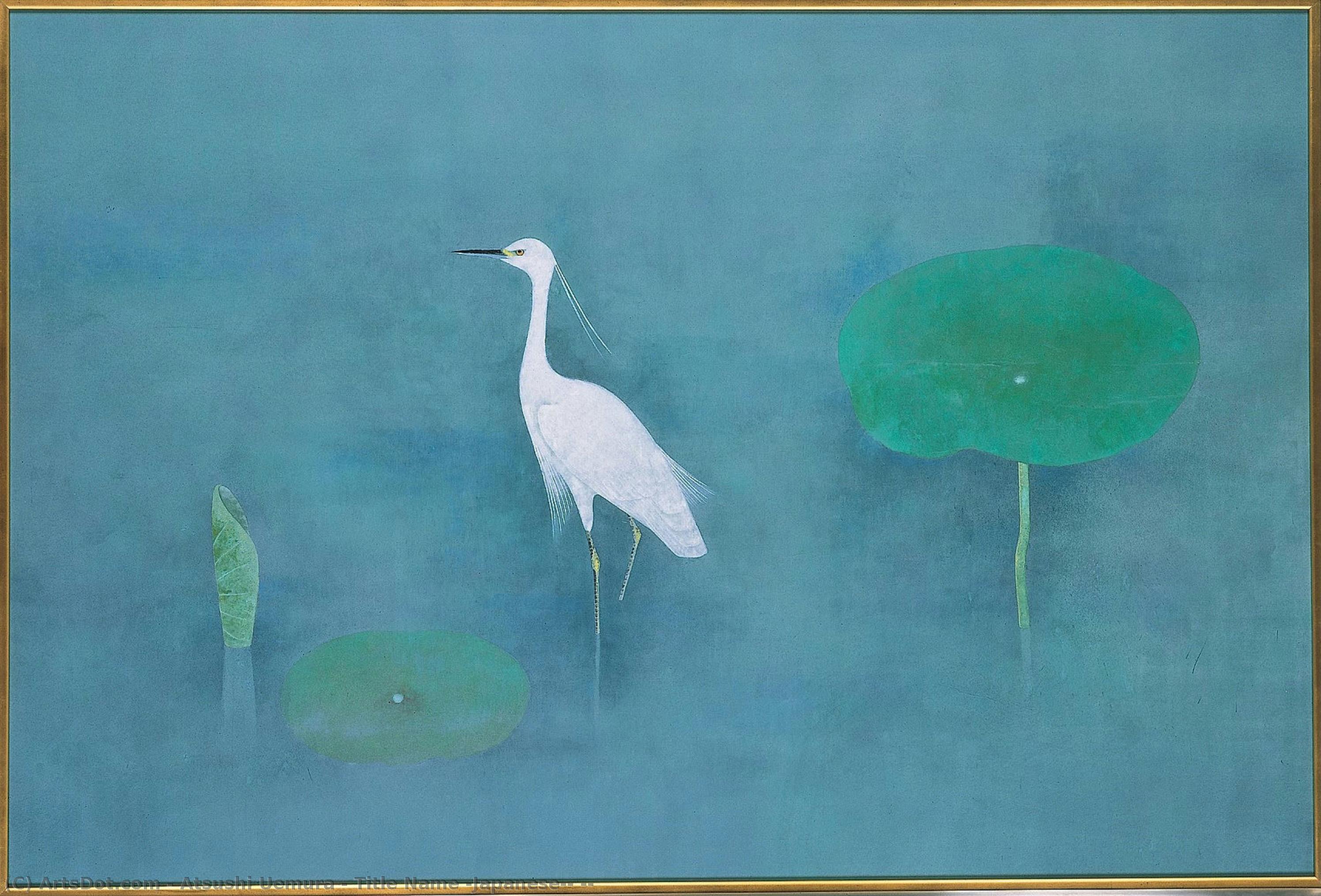
Title Name (Japanese): 蓮池
 Other
Other 194.0 x 130.0 cm
 Shohaku Art Museum
 Read More
Hand Made Oil Reproduction
Hand-painted oil on canvas in your size and frame, made to order by our artists. ( Buy Print Buy Image)




P118B $10

P118H $10

P118W $10

P438Z $10

P508JH $12

P508YH $12

P805H $10

P805Z $10

P919BZ $10

P919G $10

P919XJ $10

P959ZH $10

P968JZ $12

W106C $8

W218G $10

W218JH $8

W218Y $10

W307PJ $10

W316G $10

W316PJ $8

W316Y $10

W398PJ $8

W4111J $10

W500HY $15

W500JH $15

W692G $12

W849H $8

W940BG $15

W953PJ $8




Pick from our preset sizes that match the artwork's original proportions.

You may enter your own dimensions to fit a specific frame or space. If your selected size does not match the original image's proportions, we will either crop the artwork or extend the painting with additional hand-painted elements. A digital mockup will be sent for your approval before production begins.
Please note that the on-screen preview does not reflect the actual cropping or extension. Only the mockup will accurately show the final composition.
While custom sizes are available, we recommend selecting a dimension from the predefined list to preserve the original proportions.
After order, ArtsDot.com team will email client for instructions and provide a mockup preview
Worldwide Delivery () in 3/4 weeks instead of standard 5 weeks. (22 August). No compromise on quality.

Free Worldwide Express Shipping

High-Quality Linen Canvas

Full Shipping Insurance

Customs Tax Refund Guarantee

True Color Matching Guarantee

60-Day Return Policy (Defects Only)

100% Money-Back Guarantee

Bulk Discount Offer
 Glass option is only available in size under 110 CM

Title Name (Japanese): 蓮池
Reproduction Medium
Reproduction Size
-


Total Price
$ 263
Related Artworks

Artist Biography
A Legacy Carved in Ink and Light
To encounter the work of Atsushi Uemura is to step into a world where the ancient whispers of Japanese tradition meet the luminous clarity of modern vision. Born in the historic heart of Kyoto in 1933, Uemura was not merely an observer of art but a descendant of its very soul. Growing up within a lineage of masters, he carried the weight and the wonder of a profound artistic heritage. As the son of Shoko Uemura and the grandson of the legendary Shoen Uemura, his early life was steeped in the disciplined elegance of Nihonga. This familial connection provided him with more than just a name; it offered an intimate apprenticeship to the subtle nuances of Sumi-e, where every brushstroke carries the weight of intention and every void of white space holds a silent melody.
His formal education at the Kyoto City University of Arts served as the crucible in which his raw heritage was refined into a sophisticated technical mastery. Under the watchful eyes of esteemed instructors, Uemura learned to command the delicate balance of ink and water, yet he possessed an unyielding spirit that refused to remain confined by the boundaries of the past. While his foundations were rooted in the meticulous traditions of his ancestors, his gaze was perpetually drawn toward the horizon of global innovation, seeking a way to translate the ancient language of Japan into a contemporary visual dialogue.
The Alchemy of East and West
What distinguishes Uemura’s oeuvre from the classical masters is his breathtaking ability to synthesize disparate worlds. He achieved a rare aesthetic alchemy, blending the disciplined, monochromatic precision of Sumi-e with the emotive, light-drenched sensibilities of Western Impressionism and the flowing, organic elegance of Art Nouveau. This fusion allows his canvases to breathe with a vitality that feels both timeless and immediate. His technique is a masterclass in tonal gradation, where colors are not merely applied but layered to capture the ephemeral dance of natural light and the shifting textures of the physical world.
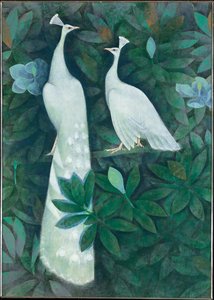
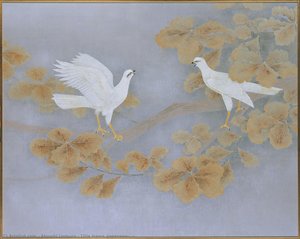
In his most celebrated works, one finds a profound preoccupation with the interplay between nature and atmosphere. He utilizes vibrant hues to breathe life into subjects that might otherwise feel static in traditional formats. A notable example is his depiction of the white peacock, where the bird emerges from lush, verdant foliage not just as a subject, but as a symbol of purity and grace, rendered with such meticulous detail that the viewer can almost sense the rustle of feathers and the humidity of the surrounding forest. Through this marriage of styles, Uemura transcends mere representation, moving into the realm of poetic expression.
A Lasting Impression on Contemporary Art
The historical significance of Atsushi Uemura lies in his role as a bridge-builder. He navigated the delicate transition between the rigid structures of traditional Japanese painting and the fluid, experimental nature of modern art without losing the essence of either. His work serves as a vital link in the evolution of Nihonga, proving that tradition is not a stagnant pool but a flowing river capable of absorbing new influences to remain vibrant and relevant.
His achievements are measured not only by the accolades of museums and galleries but by the enduring emotional resonance of his imagery. To study Uemura is to witness the triumph of technical discipline over the chaos of modern life, offering a sanctuary of beauty and meticulous order. His legacy continues to inspire a new generation of artists who seek to honor their cultural roots while fearlessly exploring the limitless possibilities of the global artistic landscape.
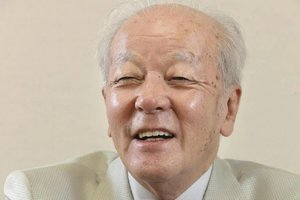
atsushi uemura
1933 - , Japan
Quick Facts
- Artistic Movement Or Style: Traditional Japanese Painting
- Artists Or Movements Influenced By This Artist: ['Ukiyo-e']
- Artists Who Influenced This Artist: ['shoko uemura']
- Date Of Birth: 1933
- Full Name: atsushi uemura
- Nationality: Japanese
- Notable Artworks:
- 白孔雀
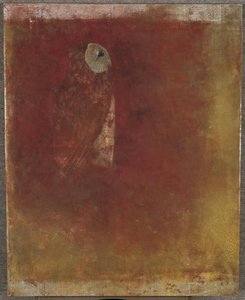
- 梟ⅰ
- 夕日に
- Place Of Birth: Kyoto, Japan
Related Articles
Slate Blue Masterpieces: 10 Iconic Paintings & Timeless Home Decor Ideas
Immerse yourself in the captivating world of slate blue! Explore 10 iconic paintings by Monet, Van Gogh & Renoir. Discover their stories, techniques & find museum-quality art reproductions for your home at .
The Allure of Azure: Exploring the Symbolic & Aesthetic Depths of Blue in Art History
Explore the rich history of blue in art! Discover its symbolism, from ancient pigments to modern masterpieces by Kandinsky & Seurat. Uncover the psychological impact and cultural meanings behind this captivating hue.
Monet's Masterpieces: 25 Iconic Artworks to Transform Your Home
Journey through 25 iconic Claude Monet masterpieces! Explore Impressionism’s beauty, from Water Lilies to Rouen Cathedral. Discover stunning art reproductions & curated decor ideas – explore the full collection online at ArtsDot.com.
Fluid Reflections: Exploring Water's Symbolism in Art History – From Myth to Impressionism
Explore the rich symbolism of water in art history – from ancient myths to Impressionism's fleeting beauty. Discover masterpieces & find your perfect serene artwork with ArtsDot.com.

Hokusai's Masterpieces: 25 Iconic Prints & Paintings for Art Lovers | ArtsDot
Journey through Katsushika Hokusai’s 25 most iconic artworks, including *The Great Wave*. Explore the ukiyo-e master's history, style & timeless Japanese woodblock prints. Find museum-quality reproductions for your home at ArtsDot.com.