 Preview
 Send
Send Share
Share
 Details

 Download
 Similars
 X-Ray
X-Ray Diaporama
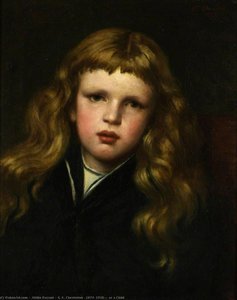
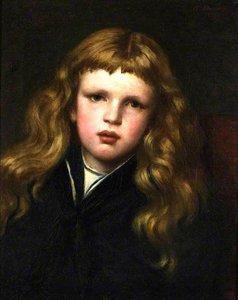
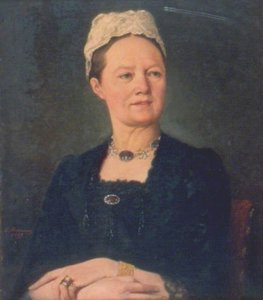
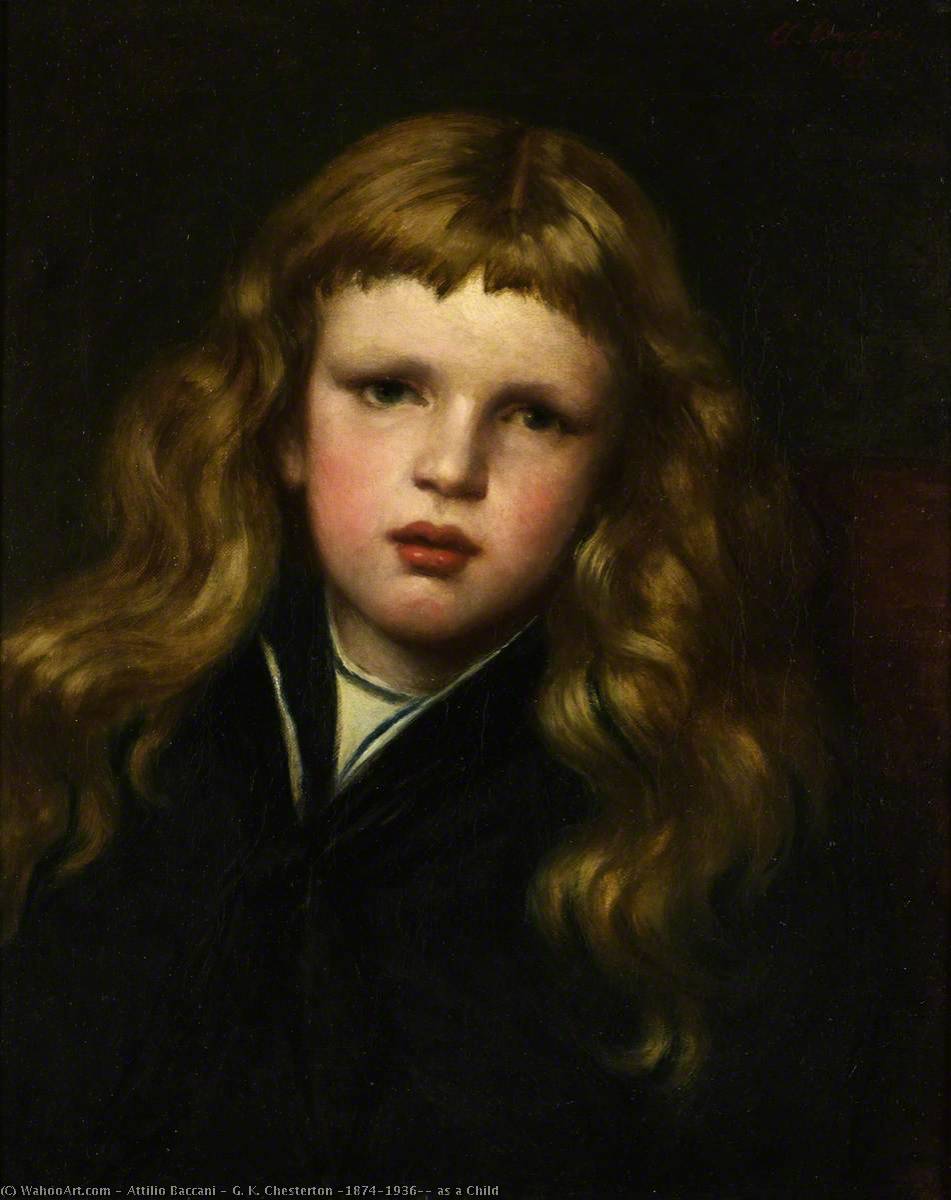
G. K. Chesterton (1874–1936), as a Child
 1881
1881 74.0 x 65.0 cm
 British Library
 Read More
Giclée / Art Print
Museum-quality giclée or canvas print with fast production and flexible finish options. ( Buy Hand Made Painting Buy Image)




































Pick from our preset sizes that match the artwork's original proportions.

You may enter your own dimensions to fit a specific frame or space. If your selected size does not match the original image's proportions, we will either crop the artwork or extend the image with a mirrored or solid-fill edge. A digital mockup will be sent for your approval before production begins.
Please note that the on-screen preview does not reflect the actual cropping or extension. Only the mockup will accurately show the final composition.
While custom sizes are available, we recommend selecting a dimension from the predefined list to preserve the original proportions.
Worldwide Delivery () in 2 weeks instead of standard 4/5 weeks. (20 August)

Free Worldwide Express Shipping

High-Quality Linen Canvas

Full Shipping Insurance

Customs Tax Refund Guarantee

True Color Matching Guarantee

60-Day Return Policy (Defects Only)

100% Money-Back Guarantee

Bulk Discount Offer
 Glass option is only available in size under 110 CM

G. K. Chesterton (1874–1936), as a Child
Giclée / Art Print
Reproduction Size
-


Total Price
$ 63
Related Artworks
Artist Biography
Attilio Baccani: A Victorian Master of Psychological Portraiture
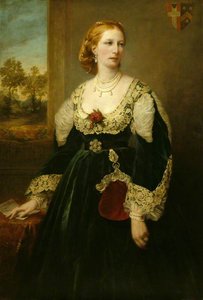
Attilio Baccani (1844-1906) remains a quietly significant figure in 19th-century British art, an artist whose profound understanding of human psychology and meticulous technique produced portraits that transcend mere likeness. Often overshadowed by the grand narratives of his contemporaries, Baccani’s legacy lies in his ability to capture not just outward appearance but also the subtle nuances of emotion, introspection, and quiet dignity within his subjects – a rare gift during an era dominated by flamboyant style. His work offers a poignant glimpse into Victorian society, revealing both its rigid social conventions and the private yearnings of individuals navigating them.
Born in Florence, Italy, Baccani’s artistic journey began under the tutelage of his father, also a painter. This early foundation instilled in him a rigorous approach to observation and representation. He later moved to London in 1867, immersing himself in the vibrant art scene and quickly establishing a reputation for his strikingly realistic portraits. Unlike many artists of the time who prioritized idealized beauty, Baccani consistently depicted his subjects with an unflinching honesty, revealing wrinkles, imperfections, and moments of vulnerability – qualities that contributed significantly to the emotional resonance of his work.
The Influence of Academic Tradition and Japanese Prints
Baccani’s artistic development was shaped by a complex interplay of influences. He initially adhered closely to the principles of academic art, mastering the traditional techniques of drawing, painting, and composition. His early portraits demonstrate a clear debt to artists like Sir Thomas Lawrence, known for his stately and dignified depictions of royalty and nobility. However, Baccani’s style evolved dramatically after encountering Japanese prints during his time in London. The bold compositions, flattened perspectives, and evocative use of color within these Ukiyo-e masterpieces profoundly impacted his approach to portraiture, encouraging him to simplify forms, heighten contrasts, and prioritize the suggestion of atmosphere over meticulous detail.
This fusion of academic rigor and Japanese aesthetics is particularly evident in works like “At the Cottage Door” (1879), where a carefully constructed composition, reminiscent of Japanese screens, frames a scene of domestic tranquility. The muted palette, the emphasis on atmospheric perspective, and the subtle suggestion of narrative all point to Baccani’s deep appreciation for the principles of Ukiyo-e. He skillfully integrated these influences into his own style, creating portraits that are both formally sophisticated and emotionally engaging.
A Portraitist of Victorian Life
Baccani's subjects were drawn from a diverse range of social strata – nobility, artists, writers, actors, and ordinary people. He was particularly known for his portraits of prominent figures of the Victorian era, including G.K. Chesterton, who famously described Baccani as “the most sympathetic portrait painter I have ever met.” Chesterton’s assessment speaks volumes about Baccani's ability to capture the essence of his subjects, revealing their inner lives through subtle gestures and expressions. His portraits of actors, for instance, are not merely representations of theatrical performance but rather explorations of character and vulnerability.
Beyond individual portraits, Baccani also produced a series of group compositions depicting scenes from everyday life – gatherings of artists in studios, social events at country houses, and informal family moments. These works offer valuable insights into the social customs and cultural values of Victorian England. His meticulous attention to detail—the arrangement of furniture, the clothing worn by his subjects, the lighting effects—creates a vivid sense of authenticity and immediacy.
Key Works and Lasting Significance
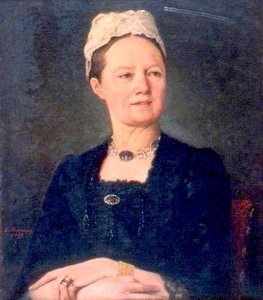
Among Baccani’s most celebrated works are “Head and Shoulder Portrait of a Lady” (1879), a study in quiet contemplation; "A Chelsea Pensioner, 1861, wearing a Waterloo Medal" (1861), capturing the weathered dignity of an aging veteran; and “Italian Woman Selling Fruit” (1882), which portrays a scene of urban poverty with remarkable empathy. His paintings are characterized by their atmospheric depth, subtle color harmonies, and profound psychological insight.
Despite his considerable talent and critical recognition during his lifetime, Baccani’s work was largely overlooked after his death in 1906. However, in recent decades, there has been a growing appreciation for his unique artistic vision and his significant contribution to the development of Victorian portraiture. Baccani's portraits continue to resonate with viewers today because they offer a rare glimpse into the complexities of human experience – a testament to the enduring power of psychological realism.
Quick Facts
- Artistic Movement Or Style: Classic Realism
- Artists Or Movements Influenced By This Artist: ['']
- Artists Who Influenced This Artist: ['']
- Date Of Birth: 1844
- Date Of Death: 1889
- Full Name: Attilio Baccani
- Nationality: Italian
- Notable Artworks:
- At the Cottage Door
- Head and Shoulder Portrait
- Peasant Woman with Baby
- Italian Woman Selling Fruit
- Place Of Birth: Italy