

 Preview
 Send
Send Share
Share
 Details

 Download
 Similars
 X-Ray
X-Ray Diaporama
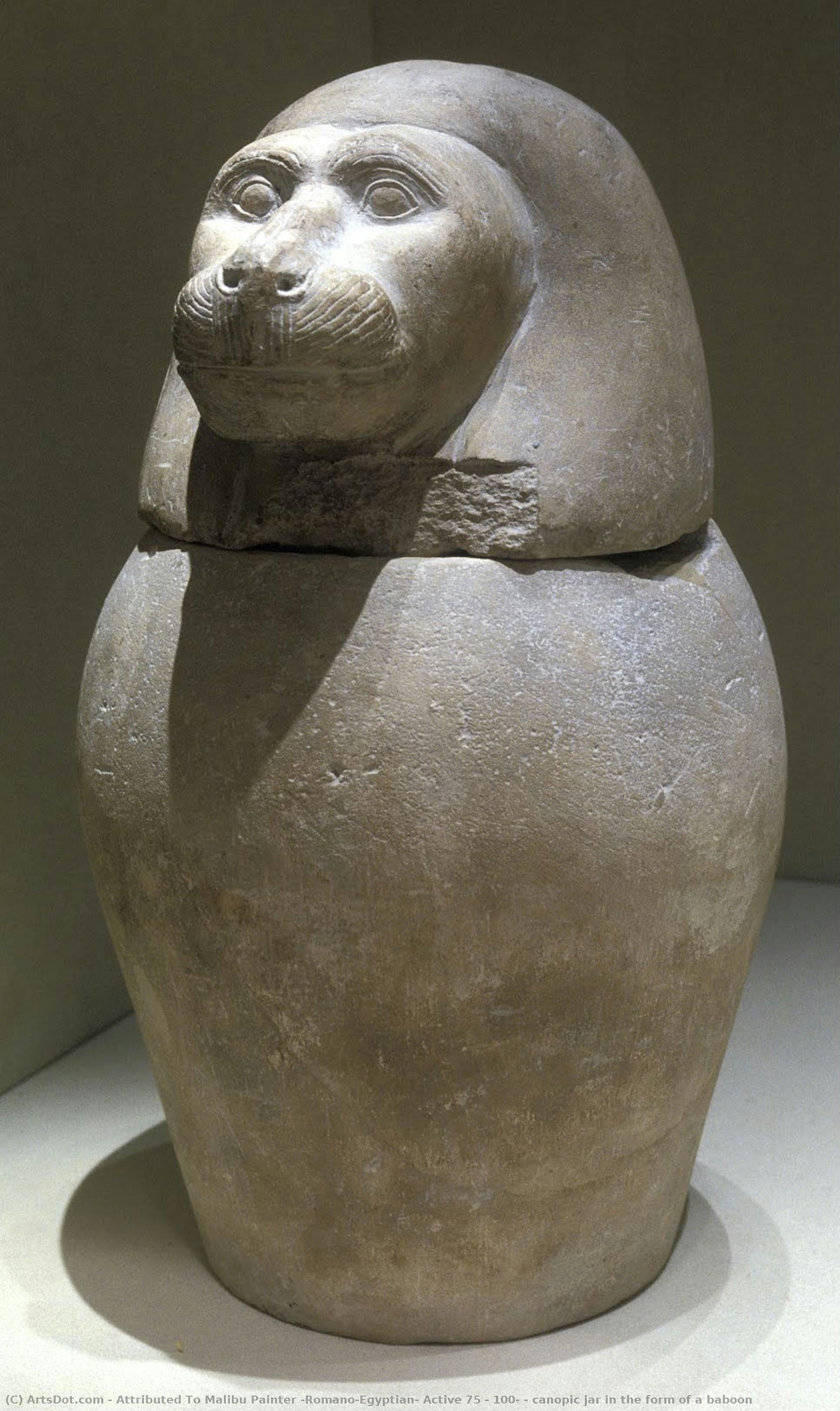
canopic jar in the form of a baboon

 Read More
Purchase a high-resolution, enhanced digital image, far superior to the online preview.
Each file is meticulously prepared by our in-house specialists using advanced tools and expert manual retouching. We ensure every image has exceptional clarity, precise color accuracy, and fine detail.
The final file is delivered via email within 72 hours, optimized for immediate use in professional, editorial, and print environments. This is the same quality trusted by top-tier design studios, publishers, and galleries.
Digital Image
Download a high-resolution file for personal display, printing, and creative projects. ( Buy Print Buy Hand Made Painting)
Included in Every Digital Image Order
Expert Digital Delivery, Guaranteed
When you choose ArtsDot.com, you're not just getting an image - you're receiving a professionally enhanced digital artwork, crafted with precision and backed by a satisfaction guarantee. Here's everything that comes with your order, automatically:

Fast Email Delivery
Your high-resolution digital image file will be emailed to you within 72 hours of ordering - ready for immediate use.

AI-Enhanced Digital File
Your artwork is professionally optimized using advanced AI tools and manual editing, ensuring maximum detail, clarity, and color accuracy.

Free Lifetime Re-Delivery
Accidentally deleted or lost your file? No worries - we'll resend it to you anytime, free of charge.

No Import Fees - Ever
Enjoy your artwork instantly with zero customs, duties, or delivery fees - digital downloads are always tax-free.

Color Accuracy Guarantee
We ensure your digital image reflects the original colors as closely as possible using professional tools and color management.

60-Day Satisfaction Guarantee
If you're not satisfied with your digital image, we'll revise it or refund 100% within 60 days - no questions asked.

100% Money-Back Guarantee
Not satisfied? Get a full refund within 60 days of receiving your digital file - no questions asked.

Bulk Order Discounts
Buy 3 images, save 10% - Buy 5, save 15% - Buy 10+, save 20%. Great for creative projects, galleries, and agencies.
Related Artworks








Artist Biography
The Enigmatic Hand of the Malibu Painter
The sands of Egypt hold countless secrets, and among them lies the fascinating story of an artist known only as the Malibu Painter – a figure shrouded in mystery yet vividly present through the hauntingly beautiful portraits they created nearly two millennia ago. Active during the late 1st century AD, roughly between 75 and 100 CE, this Romano-Egyptian painter flourished within the vibrant cultural crossroads of Roman Egypt, leaving behind a small but compelling body of work that offers a rare glimpse into the funerary practices and artistic sensibilities of the period. Unlike many artists whose names and biographies are meticulously documented, the Malibu Painter remains an anonymous presence, their identity inferred solely from the stylistic consistency observed in a handful of surviving mummy portraits. This very anonymity adds to the allure, inviting speculation about their origins, training, and the world they inhabited.A Synthesis of Cultures: Artistic Context
To understand the Malibu Painter’s significance, one must first appreciate the unique historical context in which they worked. Following Egypt's incorporation into the Roman Empire in 30 BCE, a fascinating cultural fusion began to unfold, particularly evident in the Fayum Oasis region. Here, Greco-Roman settlers mingled with native Egyptians, and their traditions intertwined. The practice of mummy portraiture itself is a testament to this syncretism. While mummification was an ancient Egyptian custom, the portraits themselves represent a departure – a shift towards naturalistic depictions influenced by Roman artistic conventions. Prior to this period, funerary art focused on idealized representations or symbolic imagery; the Fayum portraits, however, aimed for individualized likenesses, capturing the unique features and personalities of the deceased. The Malibu Painter emerged within this milieu, skillfully blending Greco-Roman realism with local Egyptian traditions. Their work wasn’t simply Roman art transplanted to Egypt, nor was it purely Egyptian – it was something entirely new, a testament to the dynamic exchange of ideas and aesthetics.Style and Technique: Identifying Characteristics
The attribution of portraits to the Malibu Painter rests on subtle yet discernible stylistic traits. Scholars have identified three works believed to be by their hand, based primarily on shared characteristics in technique and execution. The artist demonstrates a remarkable precision in rendering highlights and shadows, creating a sense of volume and depth that brings the faces to life. A particularly distinctive feature is the way they depict noses and mouths – often with a delicate curve and subtle modeling. These portraits were typically painted using encaustic, an ancient technique involving pigments mixed with heated beeswax. This medium allowed for rich color saturation and a luminous quality that has endured through the centuries. The panels themselves are relatively small, intended to be placed over the faces of mummified individuals within their linen wrappings. While the subjects often wear Roman attire and hairstyles, there’s an underlying sense of Egyptian formality in their poses and expressions. The artist's skill lies not just in technical proficiency but also in capturing a psychological presence – a quiet dignity that transcends time.Known Works and Legacy
The three portraits attributed to the Malibu Painter offer a tantalizing glimpse into their artistic output. Two were discovered at Hawara, near Arsinoe, a thriving urban center within the Fayum region. The most famous portrait – and the source of the artist’s modern pseudonym – is now housed in the J. Paul Getty Museum in Malibu, California. This depiction of a woman with dark hair and piercing eyes has become emblematic of the Fayum mummy portrait tradition. Another portrait depicts a young man, while the third showcases a bearded figure. Despite the limited number of known works, these portraits have had a profound impact on our understanding of Romano-Egyptian art. They demonstrate the artistic sophistication that flourished in this region during the Roman period and offer valuable insights into the lives and beliefs of the individuals depicted. The Malibu Painter’s legacy lies not just in their technical skill but also in their ability to capture the essence of human individuality – a testament to the enduring power of portraiture. While much remains unknown about their life and background, the haunting beauty of their portraits continues to captivate and inspire, reminding us of the rich cultural tapestry of ancient Egypt and the artists who helped shape its artistic landscape.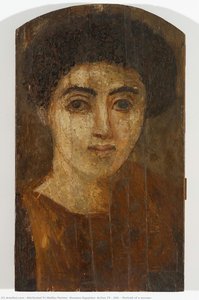
Quick Facts
- Artistic Movement Or Style: Fayum mummy portraits
- Date Of Death: Living
- Full Name: Attributed To Malibu Painter
- Nationality: Romano-Egyptian
- Notable Artworks:
- Coffin of Pedi-Osiris
- Canopic jar (baboon form)
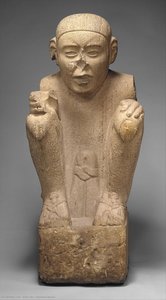
- Statue of Horus as Falcon

