 Preview
 Send
Send Share
Share
 Details

 Download
 Similars
 X-Ray
X-Ray Diaporama
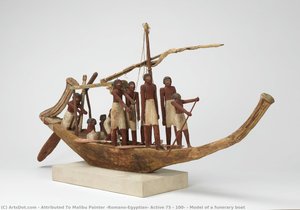
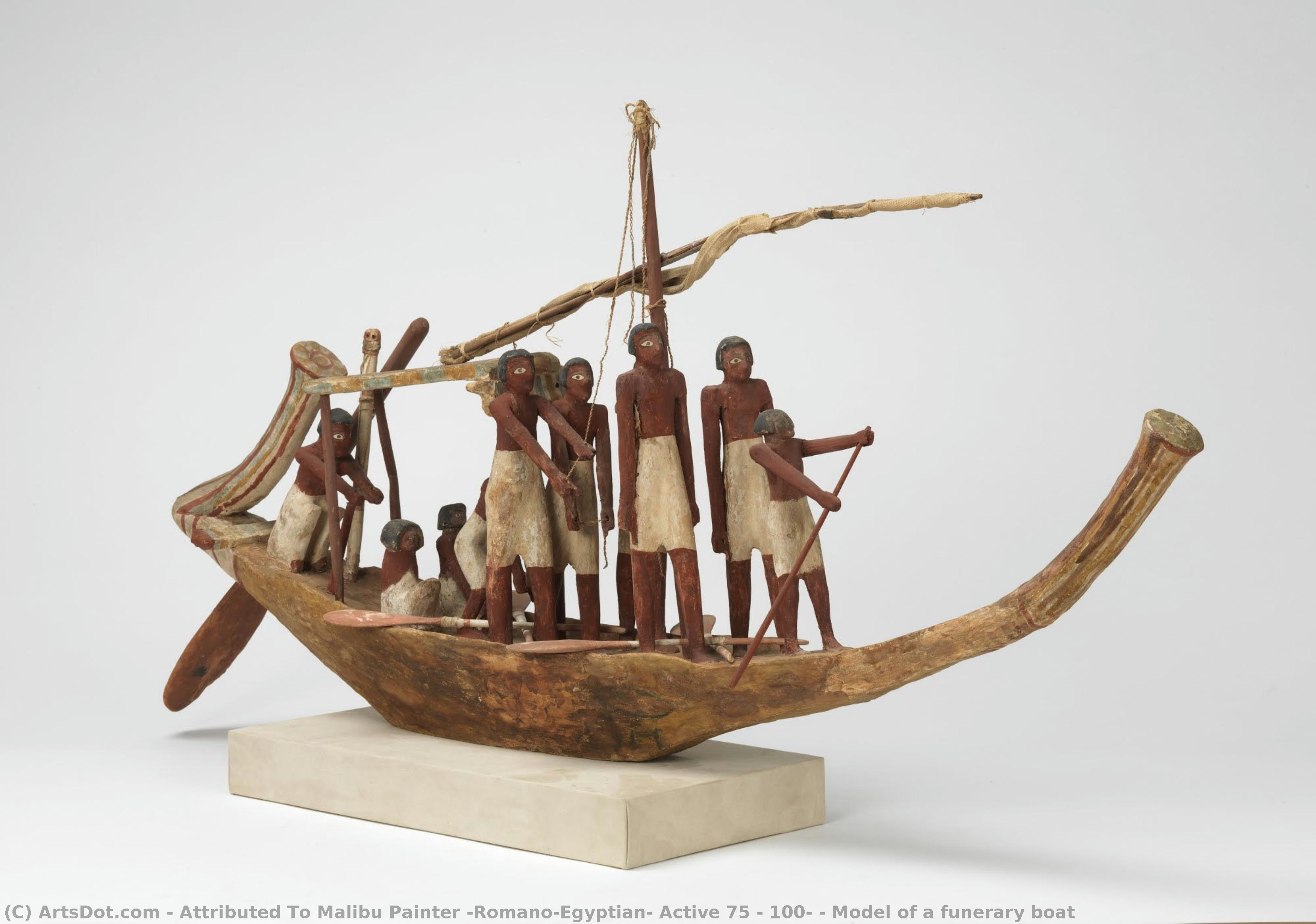
Model of a funerary boat

 Read More
Hand Made Oil Reproduction
Hand-painted oil on canvas in your size and frame, made to order by our artists. ( Buy Print Buy Image)




































Pick from our preset sizes that match the artwork's original proportions.

You may enter your own dimensions to fit a specific frame or space. If your selected size does not match the original image's proportions, we will either crop the artwork or extend the painting with additional hand-painted elements. A digital mockup will be sent for your approval before production begins.
Please note that the on-screen preview does not reflect the actual cropping or extension. Only the mockup will accurately show the final composition.
While custom sizes are available, we recommend selecting a dimension from the predefined list to preserve the original proportions.
After order, ArtsDot.com team will email client for instructions and provide a mockup preview
Worldwide Delivery () in 3/4 weeks instead of standard 5 weeks. (24 August). No compromise on quality.

Free Worldwide Express Shipping

High-Quality Linen Canvas

Full Shipping Insurance

Customs Tax Refund Guarantee

True Color Matching Guarantee

60-Day Return Policy (Defects Only)

100% Money-Back Guarantee

Bulk Discount Offer
 Glass option is only available in size under 110 CM

Model of a funerary boat
Reproduction Medium
Reproduction Size
-


Total Price
$ 263
Related Artworks







Artist Biography
The Enigmatic Hand of the Malibu Painter
The sands of Egypt hold countless secrets, and among them lies the fascinating story of an artist known only as the Malibu Painter – a figure shrouded in mystery yet vividly present through the hauntingly beautiful portraits they created nearly two millennia ago. Active during the late 1st century AD, roughly between 75 and 100 CE, this Romano-Egyptian painter flourished within the vibrant cultural crossroads of Roman Egypt, leaving behind a small but compelling body of work that offers a rare glimpse into the funerary practices and artistic sensibilities of the period. Unlike many artists whose names and biographies are meticulously documented, the Malibu Painter remains an anonymous presence, their identity inferred solely from the stylistic consistency observed in a handful of surviving mummy portraits. This very anonymity adds to the allure, inviting speculation about their origins, training, and the world they inhabited.A Synthesis of Cultures: Artistic Context
To understand the Malibu Painter’s significance, one must first appreciate the unique historical context in which they worked. Following Egypt's incorporation into the Roman Empire in 30 BCE, a fascinating cultural fusion began to unfold, particularly evident in the Fayum Oasis region. Here, Greco-Roman settlers mingled with native Egyptians, and their traditions intertwined. The practice of mummy portraiture itself is a testament to this syncretism. While mummification was an ancient Egyptian custom, the portraits themselves represent a departure – a shift towards naturalistic depictions influenced by Roman artistic conventions. Prior to this period, funerary art focused on idealized representations or symbolic imagery; the Fayum portraits, however, aimed for individualized likenesses, capturing the unique features and personalities of the deceased. The Malibu Painter emerged within this milieu, skillfully blending Greco-Roman realism with local Egyptian traditions. Their work wasn’t simply Roman art transplanted to Egypt, nor was it purely Egyptian – it was something entirely new, a testament to the dynamic exchange of ideas and aesthetics.Style and Technique: Identifying Characteristics
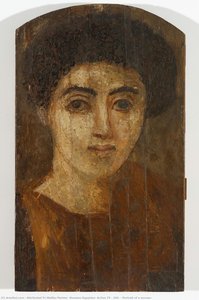
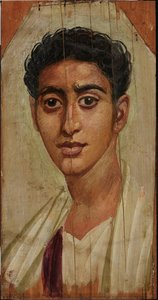
The attribution of portraits to the Malibu Painter rests on subtle yet discernible stylistic traits. Scholars have identified three works believed to be by their hand, based primarily on shared characteristics in technique and execution. The artist demonstrates a remarkable precision in rendering highlights and shadows, creating a sense of volume and depth that brings the faces to life. A particularly distinctive feature is the way they depict noses and mouths – often with a delicate curve and subtle modeling. These portraits were typically painted using encaustic, an ancient technique involving pigments mixed with heated beeswax. This medium allowed for rich color saturation and a luminous quality that has endured through the centuries. The panels themselves are relatively small, intended to be placed over the faces of mummified individuals within their linen wrappings. While the subjects often wear Roman attire and hairstyles, there’s an underlying sense of Egyptian formality in their poses and expressions. The artist's skill lies not just in technical proficiency but also in capturing a psychological presence – a quiet dignity that transcends time.Known Works and Legacy
The three portraits attributed to the Malibu Painter offer a tantalizing glimpse into their artistic output. Two were discovered at Hawara, near Arsinoe, a thriving urban center within the Fayum region. The most famous portrait – and the source of the artist’s modern pseudonym – is now housed in the J. Paul Getty Museum in Malibu, California. This depiction of a woman with dark hair and piercing eyes has become emblematic of the Fayum mummy portrait tradition. Another portrait depicts a young man, while the third showcases a bearded figure. Despite the limited number of known works, these portraits have had a profound impact on our understanding of Romano-Egyptian art. They demonstrate the artistic sophistication that flourished in this region during the Roman period and offer valuable insights into the lives and beliefs of the individuals depicted. The Malibu Painter’s legacy lies not just in their technical skill but also in their ability to capture the essence of human individuality – a testament to the enduring power of portraiture. While much remains unknown about their life and background, the haunting beauty of their portraits continues to captivate and inspire, reminding us of the rich cultural tapestry of ancient Egypt and the artists who helped shape its artistic landscape.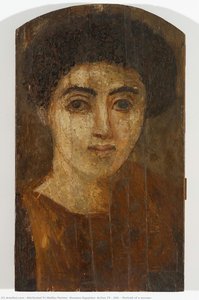
Quick Facts
- Artistic Movement Or Style: Fayum mummy portraits
- Date Of Death: Living
- Full Name: Attributed To Malibu Painter
- Nationality: Romano-Egyptian
- Notable Artworks:
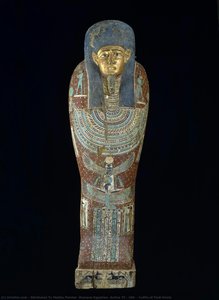
- Coffin of Pedi-Osiris
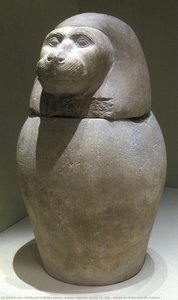
- Canopic jar (baboon form)
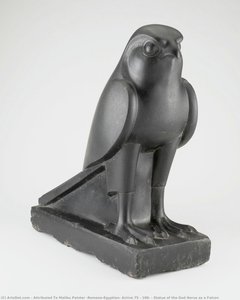
- Statue of Horus as Falcon