 Preview
 Send
Send Share
Share
 Details

 Download
 Similars
 X-Ray
X-Ray Diaporama
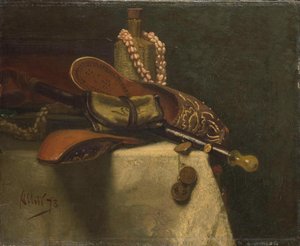
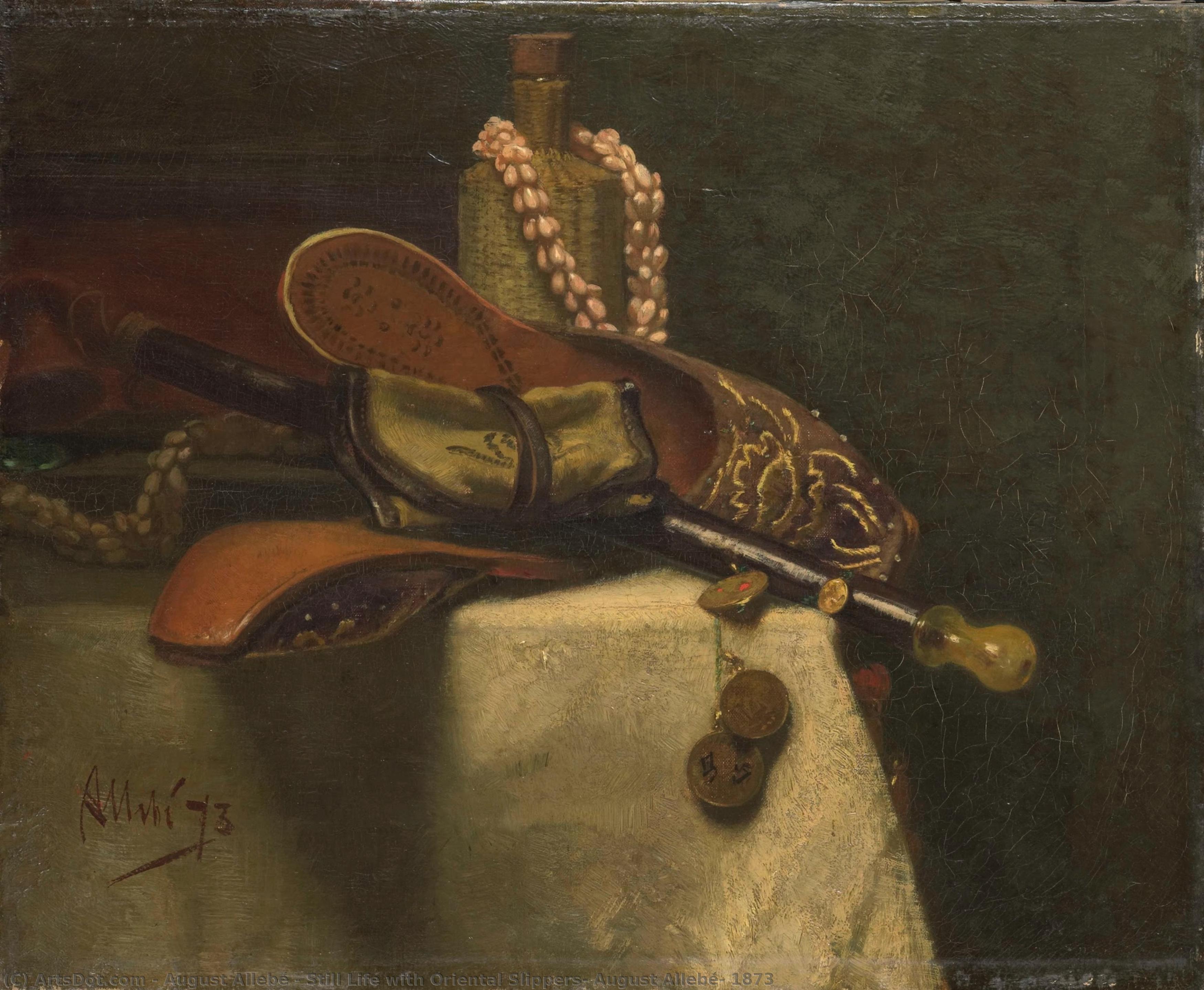
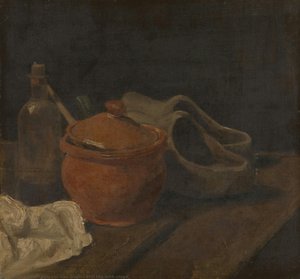
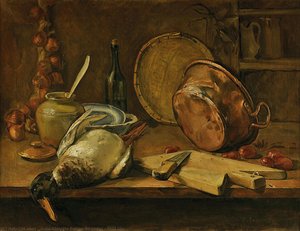
Still Life with Oriental Slippers, August Allebé, 1873
 1873
1873 36.0 x 44.0 cm
 Read More
Giclée / Art Print
Museum-quality giclée or canvas print with fast production and flexible finish options. ( Buy Hand Made Painting Buy Image)




































Pick from our preset sizes that match the artwork's original proportions.

You may enter your own dimensions to fit a specific frame or space. If your selected size does not match the original image's proportions, we will either crop the artwork or extend the image with a mirrored or solid-fill edge. A digital mockup will be sent for your approval before production begins.
Please note that the on-screen preview does not reflect the actual cropping or extension. Only the mockup will accurately show the final composition.
While custom sizes are available, we recommend selecting a dimension from the predefined list to preserve the original proportions.
Worldwide Delivery () in 2 weeks instead of standard 4/5 weeks. (23 August)

Free Worldwide Express Shipping

High-Quality Linen Canvas

Full Shipping Insurance

Customs Tax Refund Guarantee

True Color Matching Guarantee

60-Day Return Policy (Defects Only)

100% Money-Back Guarantee

Bulk Discount Offer
 Glass option is only available in size under 110 CM

Still Life with Oriental Slippers, August Allebé, 1873
Giclée / Art Print
Reproduction Size
-


Total Price
$ 63
Collectible Description
Related Artworks





Artist Biography
August Allebé: Pioneer of Amsterdam Impressionism
August Allebé (1838 – 1927) stands as a cornerstone figure in the burgeoning artistic landscape of late nineteenth-century Holland, specifically within the vibrant movement known as Amsterdam Impressionism. Born in Amsterdam, Allebé’s formative years were marked by exposure to artistic instruction and intellectual stimulation—he pursued evening classes at Felix Meritis and studied diligently at both Antwerp Academy and the Royal Academy of Amsterdam (Rijksakademie van beeldende kunsten), demonstrating a commitment to broadening his artistic horizons. His academic training under luminaries like Petrus Franciscus Greive, Adolphe Mouilleron, Charles Rochussen, and Louis Royer instilled in him a cosmopolitan outlook that would profoundly shape his artistic endeavors and pedagogical approach.- Early Romantic Influences: Allebé’s initial artistic output leaned heavily into the romantic tradition, characterized by dramatic landscapes and emotionally charged depictions of human subjects—a stylistic choice reflective of the prevailing aesthetic sensibilities of his time.
- Transition to Realism & Impressionism: However, Allebé swiftly recognized the limitations of romantic formalism and embraced realism alongside impressionistic techniques. This pivotal shift propelled him toward capturing fleeting moments of light and color with unprecedented accuracy, mirroring the revolutionary spirit of the era.
Amsterdam Impressionism: A Countercurrent to Hague School Dominance
Allebé’s artistic vision wasn't merely a personal stylistic evolution; it represented a deliberate challenge to the dominant aesthetic currents emanating from The Hague School. While the Hague School prioritized meticulous detail and idealized representations of Dutch history and culture, Allebé championed a looser brushstroke style—a movement he spearheaded through St Lucas Artist Group – prioritizing atmospheric effects and subjective perception. This divergence fostered an environment where younger artists could experiment with innovative approaches to painting, establishing Amsterdam Impressionism as a distinct artistic identity.- St Lucas Artist Group: Allebé founded St Lucas Artist Group in 1880, fostering collaboration and intellectual exchange among aspiring painters. This collective served as a crucible for experimentation and propelled the movement forward.
- Influence on Students & Artistic Development: As Professor at Rijksakademie van beeldende kunsten, Allebé cultivated a stimulating atmosphere where students were encouraged to pursue their artistic ambitions with unwavering determination—a legacy that continues to resonate within Dutch art history.
Notable Works & Artistic Techniques
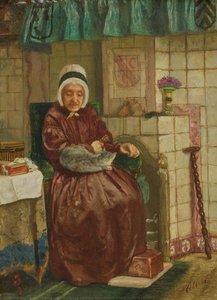
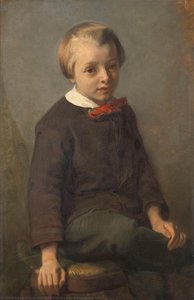
Allebé’s oeuvre comprises numerous paintings showcasing his mastery of realism and impressionistic principles. Pieces like “Portrait of a Boy” (1856) exemplify his meticulous attention to detail, capturing youthful innocence with subtle impasto textures—a testament to his dedication to portraying the human form with nuanced sensitivity. Similarly, “Old Woman by the Fireplace” (c. 1850 – c. 1875) demonstrates Allebé’s ability to convey emotion through color and light, creating a poignant depiction of domestic life.- "Life's Eventide" exemplifies Allebé's exploration of capturing fleeting moments of beauty and emotion with expressive brushstrokes.
Historical Significance & Legacy
August Allebé’s contribution to Dutch art history extends far beyond his individual artistic achievements. He served as a catalyst for artistic innovation, fostering a spirit of experimentation that irrevocably altered the trajectory of modern Dutch painting. His unwavering belief in nurturing talent and promoting intellectual discourse cemented his position as a champion of progressive artistic ideals—a legacy that continues to inspire artists and scholars alike. Allebé’s influence can be seen throughout Amsterdam Impressionism and beyond, securing his place as one of the most important figures in shaping the visual culture of his era.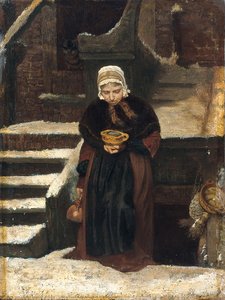
august allebé
1838 - 1927
Quick Facts
- Artistic Movement Or Style: Realism & Impressionism
- Artists Or Movements Influenced By This Artist: ['Amsterdam Impressionism']
- Artists Who Influenced This Artist:
- Petrus Franciscus Greive
- Adolphe Mouilleron
- Charles Rochussen
- Louis Royer
- Date Of Birth: 1838
- Date Of Death: 1927
- Full Name: August Allebé
- Nationality: Dutch
- Notable Artworks:
- Portrait of a Boy
- Old Woman by the Fireplace
- Life"s Eventide
- Place Of Birth: Amsterdam, Netherlands