

 Preview
 Send
Send Share
Share
 Details

 Download
 Similars
 X-Ray
X-Ray Diaporama
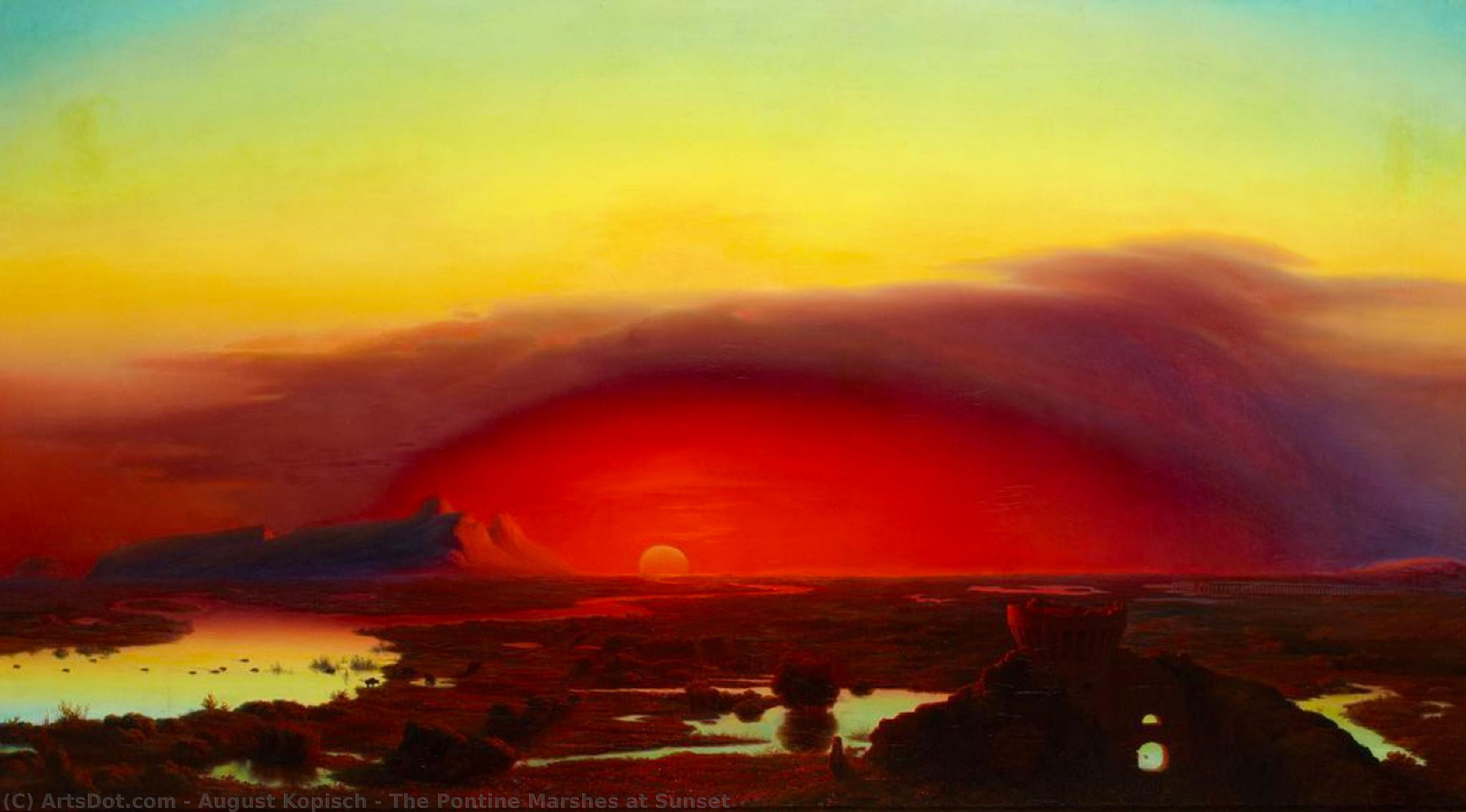
The Pontine Marshes at Sunset
 Oil On Canvas
- WallArt
- Romanticism
 1848
1848- 19th Century
 62.0 x 11.0 cm
 Nationalgalerie
 Read More
Purchase a high-resolution, enhanced digital image, far superior to the online preview.
Each file is meticulously prepared by our in-house specialists using advanced tools and expert manual retouching. We ensure every image has exceptional clarity, precise color accuracy, and fine detail.
The final file is delivered via email within 72 hours, optimized for immediate use in professional, editorial, and print environments. This is the same quality trusted by top-tier design studios, publishers, and galleries.
Digital Image
Download a high-resolution file for personal display, printing, and creative projects. ( Buy Print Buy Hand Made Painting)
Included in Every Digital Image Order
Expert Digital Delivery, Guaranteed
When you choose ArtsDot.com, you're not just getting an image - you're receiving a professionally enhanced digital artwork, crafted with precision and backed by a satisfaction guarantee. Here's everything that comes with your order, automatically:

Fast Email Delivery
Your high-resolution digital image file will be emailed to you within 72 hours of ordering - ready for immediate use.

AI-Enhanced Digital File
Your artwork is professionally optimized using advanced AI tools and manual editing, ensuring maximum detail, clarity, and color accuracy.

Free Lifetime Re-Delivery
Accidentally deleted or lost your file? No worries - we'll resend it to you anytime, free of charge.

No Import Fees - Ever
Enjoy your artwork instantly with zero customs, duties, or delivery fees - digital downloads are always tax-free.

Color Accuracy Guarantee
We ensure your digital image reflects the original colors as closely as possible using professional tools and color management.

60-Day Satisfaction Guarantee
If you're not satisfied with your digital image, we'll revise it or refund 100% within 60 days - no questions asked.

100% Money-Back Guarantee
Not satisfied? Get a full refund within 60 days of receiving your digital file - no questions asked.

Bulk Order Discounts
Buy 3 images, save 10% - Buy 5, save 15% - Buy 10+, save 20%. Great for creative projects, galleries, and agencies.
Collectible Description
The Luminous Embrace of Dusk Over the Marshes
To gaze upon The Pontine Marshes at Sunset is to surrender oneself to a moment suspended between day and night—a breathtaking confluence of color and tranquility. This painting captures more than just a vista; it encapsulates the very breath of a fading, golden light washing over vast, placid waters. The foreground commands attention with its expansive body of water, acting as a perfect mirror that drinks in and repeats the dramatic spectacle unfolding above. Here, August Kopisch masterfully orchestrates a symphony of reds, vibrant oranges, and soft yellows, hues that bleed across the canvas like spilled jewels against the deepening twilight.
A Tapestry Woven by Romantic Light
Painted in 1848, this work stands firmly within the evocative currents of early Romanticism. While Kopisch is perhaps more celebrated for his poetic spirit and legendary associations, this landscape reveals a painterly hand deeply attuned to atmospheric grandeur. The technique employed suggests an expert handling of oils, allowing the luminosity of the sunset—the very source of the painting's magic—to appear almost palpable. Notice how the scattered clouds are not mere filler but active participants in the drama; they catch the last rays of sun, transforming them into textured strokes against the deepening azure. In the distance, a solitary building anchors the composition, providing a necessary point of human scale against the overwhelming majesty of nature's daily performance.
Symbolism and Serenity: The Emotional Resonance
The Pontine Marshes themselves have long been a subject for artists seeking to capture sublime beauty. Symbolically, this sunset represents transition—the beautiful, inevitable passage from one state to another. The calm water speaks of deep introspection, inviting the viewer to quiet their own internal noise and simply observe. It is a scene that whispers of nostalgia and profound peace. For the collector or designer, owning this piece means bringing not just decoration, but an emotional anchor into your space—a daily reminder of nature's enduring, breathtaking poetry.
Bringing the Sublime Home
Whether adorning a formal drawing-room or lending ethereal depth to a modern sanctuary, The Pontine Marshes at Sunset offers unparalleled visual drama. The rich palette and masterful composition ensure that it functions as a captivating focal point. We offer high-quality reproductions of this piece, allowing you to possess the sublime atmosphere of Kopisch’s vision without needing to traverse the Italian coast. It is an investment in enduring beauty, a window into a perfect, unforgettable moment.
Related Artworks



Artist Biography
August Kopisch: A Poet of Legends and the Echoes of Capri
August Kopisch, a figure often overlooked yet brimming with charm and evocative storytelling, was a German poet and painter whose life unfolded across Europe in the early 19th century. Born in Breslau (now Wrocław), Poland, in 1799, his artistic journey began with studies at the Prague Academy, an endeavor tragically cut short by an injury to his hand – a setback that ultimately steered him towards the world of literature and poetry. This shift wasn’t merely a retreat from painting; it became the foundation for a unique creative voice deeply rooted in folklore, legend, and the romantic spirit of the era. Kopisch's life was marked by travel, friendship with notable figures like August von Platen-Hallermünde, and a serendipitous discovery that would forever be linked to his artistic legacy: the Blue Grotto of Capri.Early Life and Artistic Beginnings
Kopisch’s early years were shaped by his family's bourgeois merchant background. Despite initial aspirations as a painter, an injury sustained during his studies at the Prague Academy presented a significant obstacle to his artistic ambitions. Rather than abandoning his creative spirit entirely, he transitioned into writing poetry, finding solace and expression in verse. His travels throughout Europe – residencies in Dresden and Vienna – provided fertile ground for intellectual exploration and fueled his burgeoning literary talent. It was during this period that Kopisch’s fascination with Italian culture began to take root, culminating in a pivotal moment in 1826: alongside the painter Ernst Fries, he rediscovered the legendary Blue Grotto of Capri, a submerged cave hidden beneath the island's coastline. This discovery wasn’t simply an archaeological event; it resonated deeply within Kopisch, becoming a source of inspiration for his poetry and a symbol of forgotten beauty.Poetic Achievements and Literary Style
Kopisch quickly established himself as a popular poet in Germany, renowned for his light-hearted verse that skillfully wove together elements of legend, folklore, and everyday life. His works, such as *Gedichte* (1836) – including charming ballads like “Die Geschichte von Noah” (“The Story of Noah”), “Die Heinzelmännchen zu Köln” (“The Gingerbread Men of Cologne”), “Das grüne Tier” (“The Green Beast”), and “Der Schneiderjunge von Krippstedt” (“The Shoemaker’s Boy from Krippstedt”) – captured the imaginations of readers with their naive charm, humorous observations, and vivid imagery. These poems weren't merely retellings of established tales; they were infused with Kopisch’s own unique perspective and a distinctly German sensibility. Beyond poetry, he also translated works by Dante Alighieri (*Divine Comedy*) and compiled collections of Italian folk songs, demonstrating his broad literary interests and appreciation for diverse cultural traditions. His style was characterized by simplicity, directness, and an ability to evoke strong emotional responses through accessible language.Royal Patronage and Potsdam
In 1828, Kopisch settled in Berlin and received a pension from Frederick William IV of Prussia, a testament to his growing recognition as a literary figure. This patronage afforded him stability and allowed him to dedicate himself further to his writing. In 1847, he moved to Potsdam, where he served as a court historian, documenting the royal residences and surrounding landscapes in an account titled *Agrumi* (1838). This work reflected not only his historical knowledge but also his artistic sensibilities, capturing the beauty of the Prussian countryside with a keen eye for detail. His time in Potsdam solidified his position within the cultural elite of Prussia.Legacy and Historical Significance
August Kopisch’s legacy lies primarily in his poetry – works that continue to resonate with readers today due to their nostalgic charm, imaginative storytelling, and evocative depiction of German folklore. While he may not be as widely celebrated as some of his contemporaries, his contributions to 19th-century literature are significant. His rediscovery of the Blue Grotto of Capri is a fascinating anecdote, highlighting the intersection of art, exploration, and cultural memory. Kopisch’s life exemplifies the Romantic movement's fascination with the past, the power of imagination, and the beauty found in seemingly ordinary subjects. He remains an artist whose work offers a glimpse into a bygone era—a poet who captured the spirit of his time through the language of legends and the echoes of Capri.
August Kopisch
1799 - 1853 , Poland
Quick Facts
- Artistic Movement Or Style: Romantic Painting
- Artists Or Movements Influenced By This Artist: ['Romanticism']
- Artists Who Influenced This Artist: ['Dante Alighieri']
- Date Of Birth: May 26, 1799
- Date Of Death: Feb 6, 1853
- Full Name: August Kopisch
- Nationality: German
- Notable Artworks:
- Agrumi
- Die Geschichte von Noah
- Die Heinzelmännchen zu Köln
- Place Of Birth: Breslau, Prussia

