

 Preview
 Send
Send Share
Share
 Details

 Download
 Similars
 X-Ray
X-Ray Diaporama
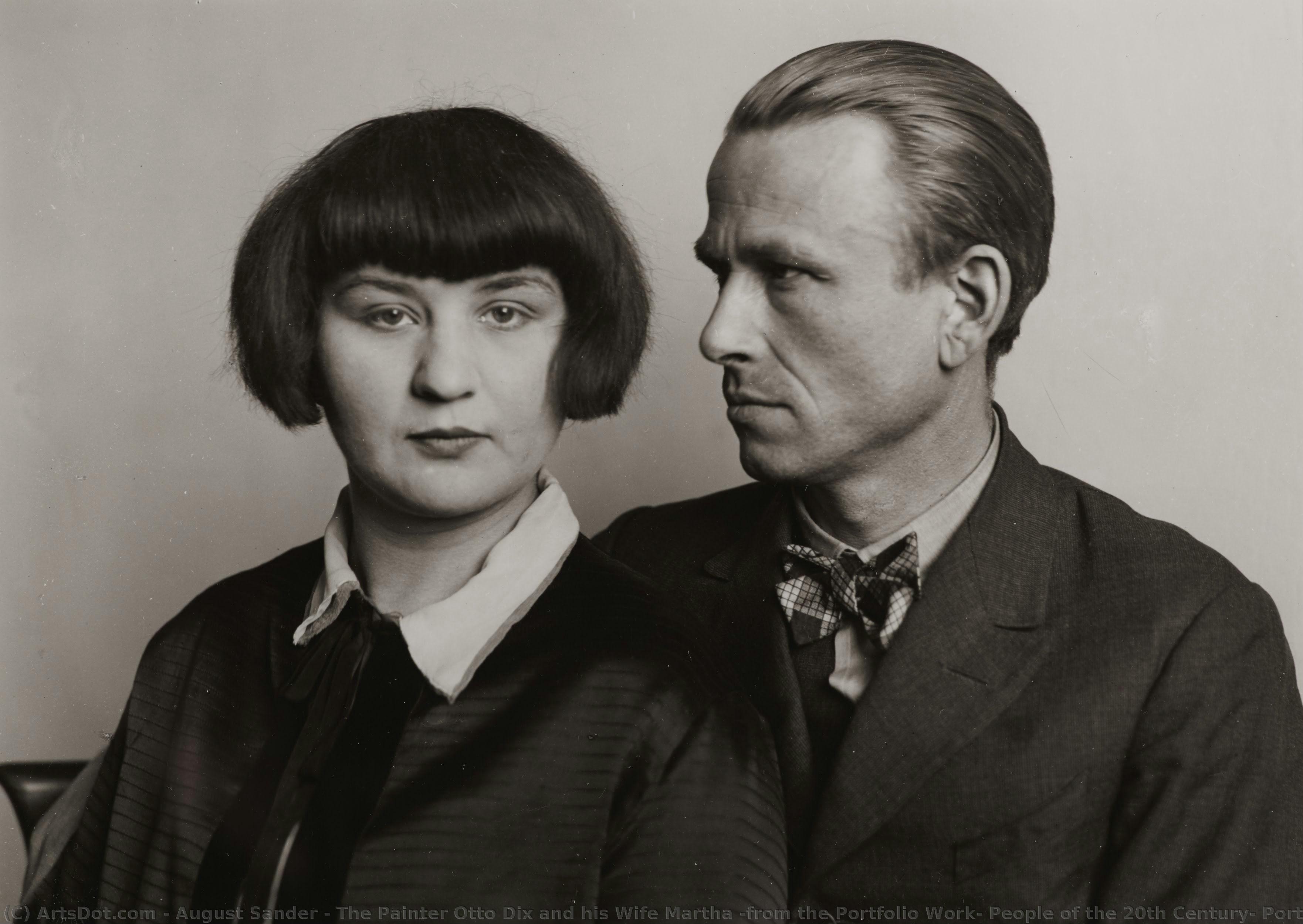
The Painter Otto Dix and his Wife Martha (from the Portfolio Work: People of the 20th Century, Portfolio 13: Woman and Man)


 Read More
Purchase a high-resolution, enhanced digital image, far superior to the online preview.
Each file is meticulously prepared by our in-house specialists using advanced tools and expert manual retouching. We ensure every image has exceptional clarity, precise color accuracy, and fine detail.
The final file is delivered via email within 72 hours, optimized for immediate use in professional, editorial, and print environments. This is the same quality trusted by top-tier design studios, publishers, and galleries.
Digital Image
Download a high-resolution file for personal display, printing, and creative projects. ( Buy Print Buy Hand Made Painting)
Included in Every Digital Image Order
Expert Digital Delivery, Guaranteed
When you choose ArtsDot.com, you're not just getting an image - you're receiving a professionally enhanced digital artwork, crafted with precision and backed by a satisfaction guarantee. Here's everything that comes with your order, automatically:

Fast Email Delivery
Your high-resolution digital image file will be emailed to you within 72 hours of ordering - ready for immediate use.

AI-Enhanced Digital File
Your artwork is professionally optimized using advanced AI tools and manual editing, ensuring maximum detail, clarity, and color accuracy.

Free Lifetime Re-Delivery
Accidentally deleted or lost your file? No worries - we'll resend it to you anytime, free of charge.

No Import Fees - Ever
Enjoy your artwork instantly with zero customs, duties, or delivery fees - digital downloads are always tax-free.

Color Accuracy Guarantee
We ensure your digital image reflects the original colors as closely as possible using professional tools and color management.

60-Day Satisfaction Guarantee
If you're not satisfied with your digital image, we'll revise it or refund 100% within 60 days - no questions asked.

100% Money-Back Guarantee
Not satisfied? Get a full refund within 60 days of receiving your digital file - no questions asked.

Bulk Order Discounts
Buy 3 images, save 10% - Buy 5, save 15% - Buy 10+, save 20%. Great for creative projects, galleries, and agencies.
Collectible Description
A Window into the Weimar Soul: Otto Dix’s Portrait of Martha Dix
August Sander's ambitious “People of the 20th Century” project, a monumental undertaking capturing the diverse faces of German society between 1923 and 1933, remains a cornerstone of early 20th-century photography. Within this vast collection resides Otto Dix’s poignant portrait of his wife, Martha Dix, a work that transcends mere likeness to become a profound meditation on love, loss, and the anxieties simmering beneath the surface of a rapidly changing nation. Executed in 1925-26, this gelatin silver print isn't simply a depiction of two individuals; it’s a carefully constructed tableau reflecting the complex dynamics of their relationship and the broader social currents of the Weimar Republic.
Dix, a prominent figure within the Neue Sachlichkeit (New Objectivity) movement – characterized by its stark realism and unflinching portrayal of contemporary life – eschewed romanticized notions of beauty in favor of an honest, almost brutal, depiction of his subjects. He sought to capture not just appearances but also character, using subtle shifts in expression and posture to reveal the inner lives of those he photographed. In Martha’s portrait, this is particularly evident. Her gaze, direct and slightly melancholic, hints at a quiet strength tempered by an underlying sadness – a reflection perhaps of the turbulent times and the challenges faced by women during this period.
The Intimate World of a Marriage
The composition itself speaks volumes about the relationship between Otto and Martha. They are positioned side-by-side, their bodies subtly overlapping, creating a sense of shared intimacy while simultaneously maintaining a degree of separation. Martha sits slightly to the left, her posture relaxed yet dignified, looking directly at the viewer – an act of direct engagement that was relatively uncommon in portraiture of the era. Otto, seated beside her, maintains a more formal stance, his expression serious and contemplative. This juxtaposition suggests a balance between affection and reserve, reflecting the complexities inherent in any long-term partnership.
The photograph’s technical execution is masterful. Dix employs a muted palette, dominated by shades of gray, to create an atmosphere of understated elegance and emotional resonance. The lighting is soft and diffused, casting gentle shadows that accentuate the contours of their faces and clothing. Notably, the details – the texture of Martha's dress, the subtle wrinkles around Otto’s eyes – are rendered with remarkable precision, demonstrating Dix’s meticulous attention to detail. This commitment to realism underscores his desire to capture not just a likeness but also the essence of his subjects.
Symbolism and the Echoes of Weimar
Beyond its immediate depiction of a married couple, Martha Dix's portrait carries significant symbolic weight within the context of the Weimar Republic. The era was marked by economic instability, political upheaval, and social unrest – a period of profound uncertainty and anxiety. Dix’s decision to include this intimate portrayal amidst his broader survey of German society highlights the importance he placed on capturing the human experience during these tumultuous times. Martha's quiet dignity serves as a counterpoint to the often-chaotic realities of the era, offering a glimpse into a world of domestic stability and personal connection.
Furthermore, the photograph’s stark realism aligns with the broader themes explored by the Neue Sachlichkeit movement – a rejection of sentimentalism and an embrace of objective observation. Dix's unflinching portrayal of Martha Dix is not merely a portrait; it’s a testament to the resilience of the human spirit in the face of adversity, a poignant reminder of the enduring power of love and connection amidst the shadows of history.
Related Artworks




Artist Biography
A Mirror to a Nation: The Life and Legacy of August Sander
August Sander, born in 1876 in the small Swiss village of Herdorf, wasn’t destined for artistic renown in the conventional sense. His origins lay firmly rooted in the working class—his father a carpenter employed within the demanding world of mining. This upbringing instilled in him a profound respect for labor and an intimate understanding of everyday people, qualities that would become cornerstones of his life's work. Receiving his first camera at the age of sixteen from a supportive uncle sparked a lifelong passion, leading to self-taught mastery of photographic techniques within a makeshift darkroom. Though he initially followed a path of practical training, serving in the German military and apprenticing with photographer Georg Jung, Sander’s vision extended far beyond mere technical proficiency; he sought to capture something essential about the human condition itself. He managed photo studios in Linz, Austria, honing his skills before establishing his own studio in Cologne in 1910—a pivotal moment that would set the stage for his most ambitious undertaking.The Ambitious Scope of “People of the Twentieth Century”
Sander’s enduring legacy rests upon a project of staggering ambition: *Menschen des 20. Jahrhunderts* – "People of the Twentieth Century." Conceived as a monumental photographic study, it aimed to be nothing less than a comprehensive visual record of German society during an era defined by immense social, political, and economic upheaval. Unlike many photographers of his time who prioritized artistic expression or manipulation, Sander embraced objectivity and documentary accuracy with unwavering commitment. He envisioned the project divided into seven distinct categories: The Farmer, The Skilled Tradesman, Woman, Classes and Professions, The Artists, The City, and The Last People—a poignant inclusion encompassing those marginalized by society, such as the homeless and war veterans. His methodology was meticulous; he sought out subjects in their natural environments, incorporating details that revealed their profession or social standing. Utilizing large-format cameras to ensure exceptional clarity and detail, Sander’s direct, frontal compositions emphasized the individuality of each subject while simultaneously suggesting their place within a larger societal framework. This wasn't simply portraiture; it was an attempt at sociological mapping through the lens of photography.Navigating Turmoil: Challenges and Artistic Significance
The execution of *People of the Twentieth Century* spanned decades, from 1911 until Sander’s death in 1964, but its progress was far from seamless. The project became increasingly fraught with challenges as Germany descended into political turmoil. During the Nazi regime, Sander's work—with its implicit egalitarianism and refusal to glorify any particular social group—was deemed incompatible with their ideology. Tragically, his son’s involvement in socialist politics led to persecution and ultimately, his death in a prison camp. The Nazis confiscated and destroyed many of Sander’s photographic plates, representing an immeasurable loss to cultural heritage. Despite these setbacks, Sander persevered, driven by a belief in the importance of documenting his time. His work became closely associated with the *Neue Sachlichkeit* (New Objectivity) movement, which emphasized realism, clarity, and a rejection of emotionalism and abstraction. While not strictly a social documentary photographer, his project shared common ground with this genre through its focus on depicting everyday life and documenting social conditions. The influence of Sander’s systematic approach to portraiture and unwavering commitment to objectivity resonated deeply with subsequent generations of photographers, particularly those interested in documentary photography and sociological studies.A Lasting Impact: Legacy and Recognition
Despite facing censorship and destruction during his lifetime, August Sander's legacy has grown exponentially since his death. The establishment of the August Sander Archive ensured the preservation and promotion of his work, allowing future generations to appreciate the depth and significance of his vision. Numerous exhibitions and publications have showcased his photographs worldwide, solidifying his reputation as a master of portraiture and documentary photography. People of the Twentieth Century remains an unparalleled visual document of German society, offering profound insights into the lives and experiences of individuals during a period of dramatic change. His commitment to objectivity—a deliberate attempt to present subjects without judgment or embellishment—continues to inspire photographers and scholars alike. Sander’s work is more than just a historical record; it's a powerful testament to the enduring human spirit, a mirror reflecting both the triumphs and tribulations of an era, and a lasting contribution to the art of photography. His portraits are not merely images of individuals but archetypes—representative figures embodying the complexities and contradictions of a nation grappling with modernity.Influences and Artistic Style
- New Objectivity: Sander’s work is deeply rooted in this movement, prioritizing clarity, realism, and a rejection of emotionalism.
- Social Documentary Photography: While distinct, his project shares common ground with social documentary through its focus on everyday life and societal conditions.
- Early Portraiture Traditions: He moved away from the romanticized studio portraits of earlier eras, favoring directness and authenticity.
- The Rise of Sociology: The growing field of sociology in the early 20th century influenced his desire to categorize and document society systematically.
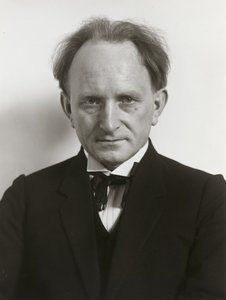
August Sander
1876 - 1964 , Switzerland
Quick Facts
- Artistic Movement Or Style: New Objectivity
- Artists Or Movements Influenced By This Artist: ['Social documentary photography']
- Date Of Birth: 1876-11-17
- Date Of Death: 1964-04-20
- Full Name: August Sander
- Nationality: German
- Notable Artworks:
- People of the 20th Century
- Sisters
- The Painter Heinrich Hörle
- Place Of Birth: Herdorf, Switzerland

