 Preview
 Send
Send Share
Share
 Details

 Download
 Similars
 X-Ray
X-Ray Diaporama
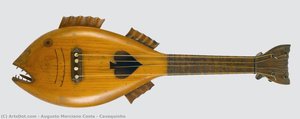
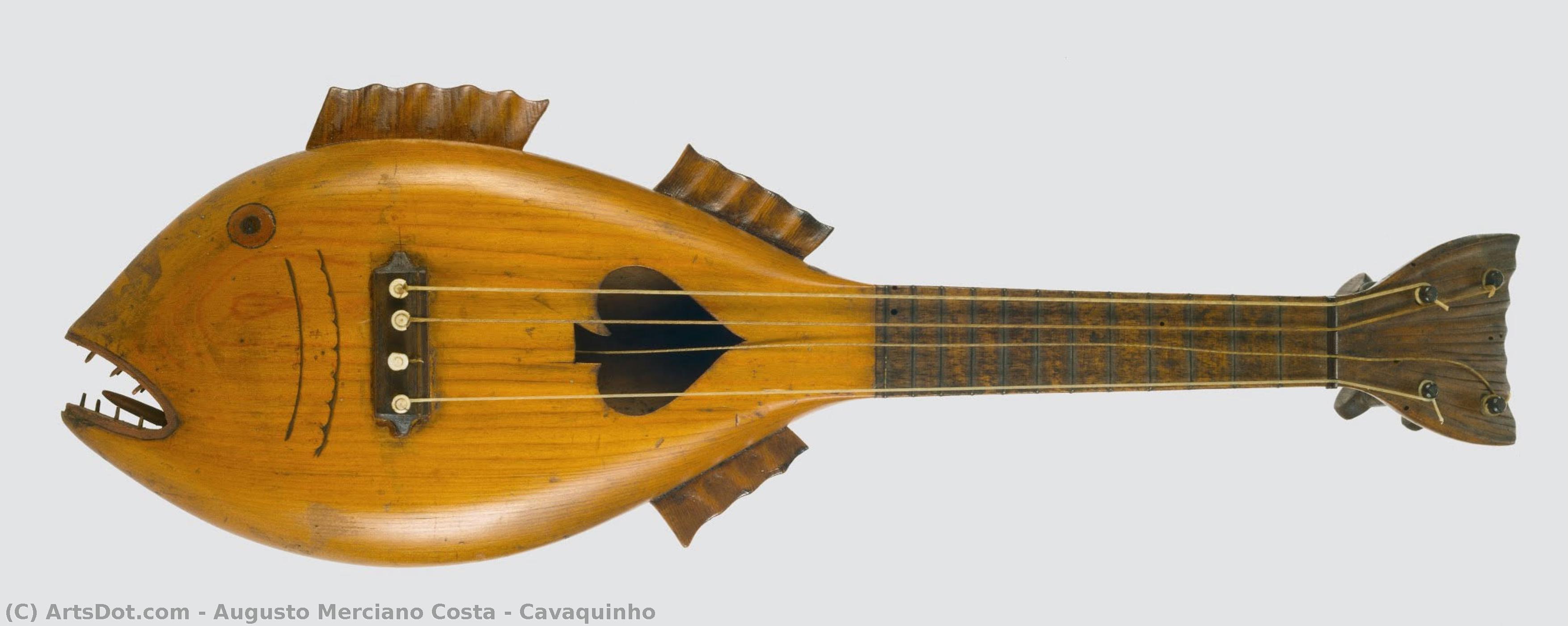
Cavaquinho


 Read More
Giclée / Art Print
Museum-quality giclée or canvas print with fast production and flexible finish options. ( Buy Hand Made Painting Buy Image)




































Pick from our preset sizes that match the artwork's original proportions.

You may enter your own dimensions to fit a specific frame or space. If your selected size does not match the original image's proportions, we will either crop the artwork or extend the image with a mirrored or solid-fill edge. A digital mockup will be sent for your approval before production begins.
Please note that the on-screen preview does not reflect the actual cropping or extension. Only the mockup will accurately show the final composition.
While custom sizes are available, we recommend selecting a dimension from the predefined list to preserve the original proportions.
Worldwide Delivery () in 2 weeks instead of standard 4/5 weeks. (21 August)

Free Worldwide Express Shipping

High-Quality Linen Canvas

Full Shipping Insurance

Customs Tax Refund Guarantee

True Color Matching Guarantee

60-Day Return Policy (Defects Only)

100% Money-Back Guarantee

Bulk Discount Offer
 Glass option is only available in size under 110 CM

Cavaquinho
Giclée / Art Print
Reproduction Size
-


Total Price
$ 63
Collectible Description
Related Artworks









Artist Biography
Augusto Merciano Costa: A Voice of Madeira’s Soul
Augusto Merciano da Costa (1877-1915) wasn't a name etched in the grand halls of European art history, yet his work represents a vital thread in the tapestry of Portuguese folk music and cultural identity. Born on the island of Madeira, a volcanic jewel adrift in the Atlantic, Costa’s life was inextricably linked to its unique traditions – particularly the cavaquinho, a small four-stringed instrument that became synonymous with his name. His story is one of quiet innovation, a dedication to preserving and elevating a local craft, and an enduring legacy felt through the music of generations.Early Life and Musical Roots
Costa’s early life unfolded amidst the vibrant sounds of Madeira's musical landscape. The island was – and remains – a melting pot of influences: Portuguese, African, and indigenous Canarian traditions blended seamlessly to create something entirely its own. Music wasn’t merely entertainment; it was woven into the fabric of daily life, accompanying celebrations, work songs, and intimate gatherings. While specific details about his childhood remain scarce, it's clear that he was immersed in this rich musical environment from a young age. The cavaquinho, already established as a popular instrument, likely played a central role in his formative years, sparking an interest that would define his artistic trajectory. The influence of the island’s distinct musical heritage – characterized by its melancholic melodies and intricate rhythms – undoubtedly shaped his aesthetic sensibilities.The Cavaquinho Revolution: A Unique Design
Costa's most significant contribution lies in his reimagining of the cavaquinho. Traditional versions typically boasted five strings, but Costa boldly experimented with a four-string design, resulting in an instrument that possessed a brighter, more penetrating tone – a characteristic highly valued by musicians seeking to cut through the dense harmonies of traditional Portuguese music. This wasn’t simply a technical alteration; it was a deliberate choice reflecting his understanding of the instrument's potential and the demands of contemporary musical styles. His design became particularly popular among sailors who carried the cavaquinho on their voyages, spreading its influence across the globe. The Metropolitan Museum of Art holds one such instrument, a testament to its enduring appeal and Costa’s innovative spirit.Beyond the Cavaquinho: A Maker of Instruments
While most remember him for his work with the cavaquinho, Costa was also a skilled maker of other traditional Portuguese instruments. He crafted various types of guitars, vihuelas (a smaller four-stringed guitar), and other folk instruments, demonstrating a broad understanding of regional musical traditions. His instruments weren't merely functional; they were meticulously crafted works of art, reflecting the beauty and craftsmanship associated with Madeira’s artisanal heritage. The fact that his work is featured in collections like the Metropolitan Museum underscores its artistic merit and historical significance.Legacy and Influence
Augusto Merciano Costa's impact extends far beyond the instruments he created. He played a crucial role in preserving and promoting traditional Portuguese music, particularly within Madeira itself. His innovative design of the cavaquinho helped to solidify its place as a central instrument in the island’s musical identity. Furthermore, his work inspired other instrument makers and musicians, contributing to a broader appreciation for the rich diversity of Portuguese folk traditions. Though he died relatively young at the age of 38, his legacy continues to resonate through the music of Madeira and beyond – a quiet but powerful voice from a small island with an extraordinary musical soul. His instruments are not just objects; they are tangible links to a vibrant cultural heritage, carrying within them the echoes of a talented craftsman dedicated to preserving the sounds of his homeland.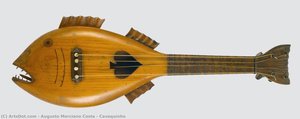
augusto merciano costa
1915 , Portugal
Quick Facts
- Artistic Movement Or Style: Folk instruments
- Date Of Death: 1915
- Full Name: Augusto Merciano Costa
- Nationality: Portuguese
- Notable Artworks:
- Cavaquinho
- Rajão
- Place Of Birth: Portugal