 Preview
 Send
Send Share
Share
 Details

 Download
 Similars
 X-Ray
X-Ray Diaporama
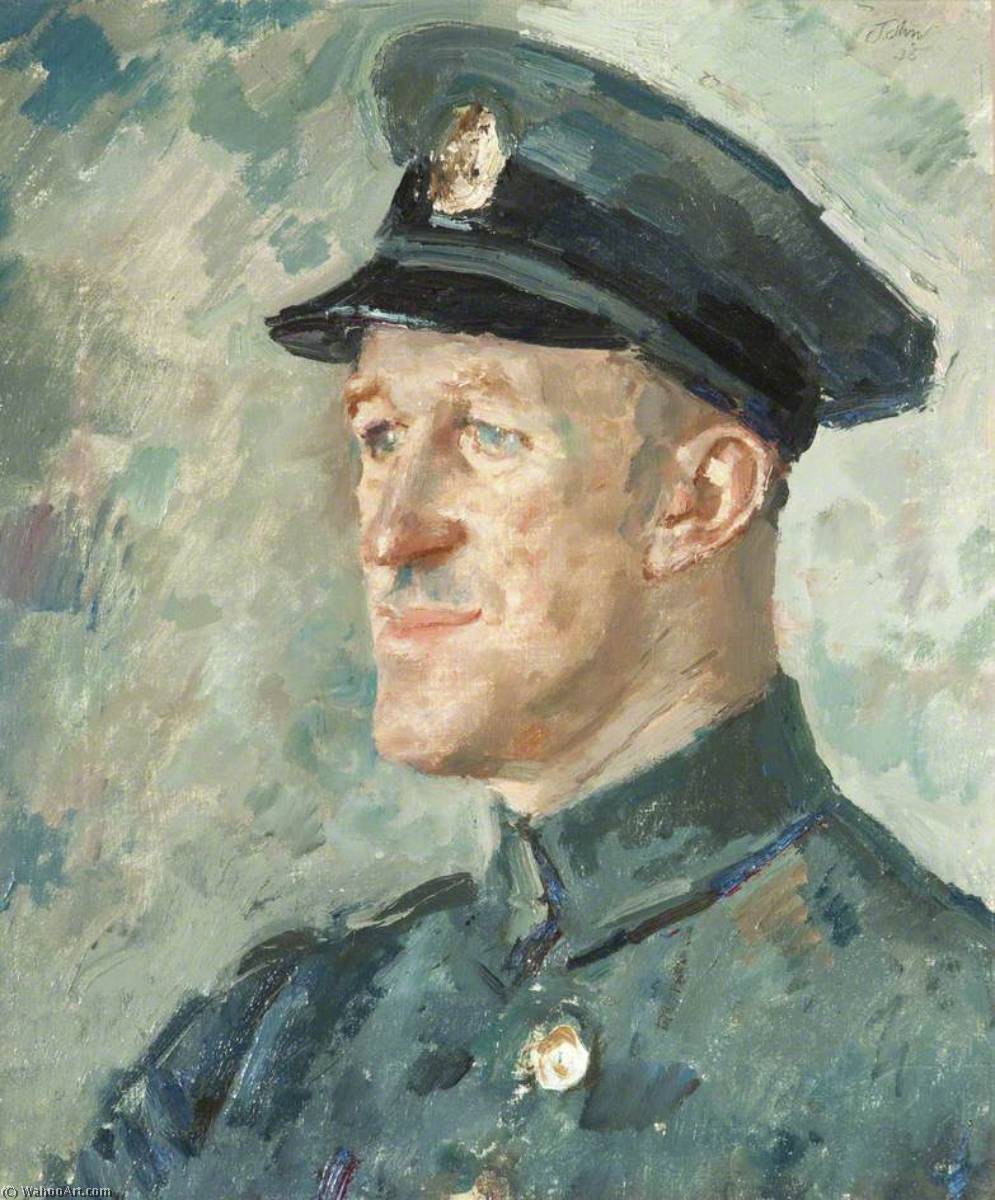
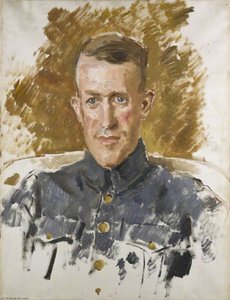
Air Mechanic Shaw (Colonel T. E. Lawrence of Arabia, 1888–1935)
 Oil On Canvas
- WallArt
- Post-Impressionism
 1935
1935- Modern
 50.0 x 39.0 cm
 Grundy Art Gallery
 Read More
Hand Made Oil Reproduction
Hand-painted oil on canvas in your size and frame, made to order by our artists. ( Buy Print Buy Image)




P118B $10

P118H $10

P118W $10

P438Z $10

P508JH $12

P508YH $12

P805H $10

P805Z $10

P919BZ $10

P919G $10

P919XJ $10

P959ZH $10

P968JZ $12

W106C $8

W218G $10

W218JH $8

W218Y $10

W307PJ $10

W316G $10

W316PJ $8

W316Y $10

W398PJ $8

W4111J $10

W500HY $15

W500JH $15

W692G $12

W849H $8

W940BG $15

W953PJ $8




Pick from our preset sizes that match the artwork's original proportions.

You may enter your own dimensions to fit a specific frame or space. If your selected size does not match the original image's proportions, we will either crop the artwork or extend the painting with additional hand-painted elements. A digital mockup will be sent for your approval before production begins.
Please note that the on-screen preview does not reflect the actual cropping or extension. Only the mockup will accurately show the final composition.
While custom sizes are available, we recommend selecting a dimension from the predefined list to preserve the original proportions.
After order, ArtsDot.com team will email client for instructions and provide a mockup preview
Worldwide Delivery () in 3/4 weeks instead of standard 5 weeks. (24 August). No compromise on quality.

Free Worldwide Express Shipping

High-Quality Linen Canvas

Full Shipping Insurance

Customs Tax Refund Guarantee

True Color Matching Guarantee

60-Day Return Policy (Defects Only)

100% Money-Back Guarantee

Bulk Discount Offer
 Glass option is only available in size under 110 CM

Air Mechanic Shaw (Colonel T. E. Lawrence of Arabia, 1888–1935)
Reproduction Medium
Reproduction Size
-


Total Price
$ 263
Artwork Description
A Soul Captured in Oil: The Enigmatic Presence of T.E. Lawrence
In the evocative portrait Air Mechanic Shaw (Colonel T. E. Lawrence of Arabia, 1888–1935), the viewer is invited into a profound encounter with one of the most complex figures of the twentieth century. Painted by the celebrated Welsh artist Augustus Edwin John in 1935, this work transcends mere military documentation to offer a psychological study of a man caught between identities. The subject, famously known as Lawrence of Arabia, is presented not through the lens of wartime heroism, but through the quiet, contemplative guise of an air mechanic. This deliberate choice of persona allows the painting to explore the tension between the public legend and the private individual, creating a piece that resonates deeply with anyone drawn to the nuances of human character.
The composition is masterfully centered, drawing the eye immediately to the subject's gaze, which possesses an arresting quality of directness tempered by a certain melancholy. Augustus Edwin John employs an impressionistic approach that favors atmosphere and light over the rigid precision of traditional academic portraiture. Through loose, expressive brushstrokes and a heavy use of impasto, the artist builds a tactile surface where the texture of the uniform and the warmth of the skin feel almost palpable. The palette is a sophisticated arrangement of muted blues, deep greens, and earthy browns, punctuated by subtle glints of gold that lend a luminous, ethereal quality to the subject's face.
Technique and the Impressionistic Spirit
The technical brilliance of this piece lies in its ability to convey movement and life through spontaneity. John utilizes glazing techniques to layer colors, creating a sense of internal light that seems to radiate from beneath the surface of the canvas. This method adds a remarkable depth to the shadows, preventing the darker tones of the military attire from becoming stagnant. Instead, the play of natural light across the folds of the uniform and the contours of the face creates a dynamic visual rhythm. The artist’s hand is visible in every stroke; there is no attempt to hide the process, which lends the portrait an authentic, raw energy that celebrates the very act of creation.
For the discerning collector or interior designer, this painting offers more than just aesthetic beauty; it provides a focal point of immense gravity. The shallow perspective and indistinct background ensure that nothing distracts from the emotional weight of the subject. When placed within a curated space—perhaps an office of distinction or a classic study—the artwork acts as a window into a bygone era, evoking themes of service, duty, and the quiet dignity found in anonymity. It is a piece that invites long periods of contemplation, making it an ideal acquisition for those who value art that tells a story far beyond the frame.
Related Artworks
Artist Biography
A Welsh Bohemian: The Life and Art of Augustus Edwin John
Augustus Edwin John emerged as a pivotal figure in early 20th-century British art, a painter whose life was as vibrant and unconventional as the canvases he produced. Born in Tenby, Wales, on January 4, 1878, his artistic journey began under the nurturing influence of his mother, who instilled in him a love for drawing from a young age. This early encouragement led him to the Tenby School of Art at seventeen, where his natural aptitude quickly became apparent. However, it was his subsequent enrollment at the Slade School of Fine Art, University College London (1894-1898), that truly ignited his artistic development. There, under the tutelage of Henry Tonks, he honed his draughtsmanship to an exceptional degree, earning accolades and establishing himself as a prodigious talent even before graduation. A dramatic turning point arrived in 1897 with a head injury sustained during a diving accident in Tenby. This incident profoundly altered his personality, unleashing a newfound spontaneity and boldness that would characterize both his life and art.Influences and the Shaping of a Style
John’s artistic sensibilities were deeply rooted in the Old Masters, particularly Peter Paul Rubens, whose dynamic compositions and rich color palettes resonated with him. Simultaneously, he absorbed the innovations of French contemporaries like Matisse and Gauguin, embracing their expressive use of color and rejection of traditional academic constraints. The subtle tonal harmonies of Puvis de Chavannes also left an indelible mark on his aesthetic vision. These diverse influences coalesced into a distinctive style characterized by vibrant hues, fluid brushwork, and a compelling focus on capturing the essence of his subjects. He wasn’t merely interested in likeness; he sought to reveal the inner life, the fleeting emotions that defined each individual. This pursuit led him to excel in portraiture, where he possessed an uncanny ability to seize what he called an “instantaneous attitude” – a momentary glimpse into the soul of his sitter.Portraits and Gypsy Lore: A Life Lived Fully
Augustus Edwin John is perhaps best remembered for his striking portraits of prominent figures from the aristocratic and literary worlds. His canvases brought to life personalities such as David Lloyd George, James Joyce, and George Bernard Shaw, each rendered with a psychological depth that transcended mere representation. Notable works like *Caspar* (1909), a poignant depiction of youthful innocence, and portraits of Archibald Henry Macdonald Sinclair (1924) and Francis Henry Crittall (1919) exemplify his mastery of the genre. However, John’s artistic interests extended beyond the confines of conventional portraiture. A profound fascination with Romani culture led him to embrace a nomadic lifestyle, traveling in a caravan with his family for an extended period. This immersive experience profoundly influenced his art, infusing it with themes of freedom, wanderlust, and the beauty of the natural world. His deep connection to this community culminated in his presidency of the Gypsy Lore Society, solidifying his commitment to understanding and celebrating their unique way of life. *Air Mechanic Shaw* (1935), a portrait of T.E. Lawrence, stands as another testament to his ability to capture complex characters with remarkable sensitivity.A Complex Legacy: Recognition and Reassessment
Throughout his career, John experienced both widespread acclaim and periods of critical fluctuation. Initially celebrated for his innovative oil sketching techniques and figure drawings, some critics later found his work to be overly flamboyant or lacking in painterly finesse. His service as a war artist during World War I, attached to the Canadian forces, yielded memorable portraits of soldiers, but an unfortunate incident led to his recall to England. Despite these challenges, Augustus Edwin John remained a significant force in British art history. He was one of the few artists of his time to achieve widespread public recognition and played a crucial role in popularizing Post-Impressionism within the United Kingdom. Awarded the Order of Merit in 1942, he also documented his life and artistic philosophy in two volumes of autobiography: *Chiaroscuro* (1952) and *Finishing Touches* (published posthumously in 1964). While his reputation waned somewhat after World War II, there has been a renewed appreciation for his work in recent years, particularly for the vibrancy and originality of his early pieces. His legacy is further enriched by the artistic achievements of his sister, Gwen John, whose own unique vision contributed significantly to the modernist movement.- Born: January 4, 1878, Tenby, Wales
- Died: October 31, 1961, Fordingbridge, England
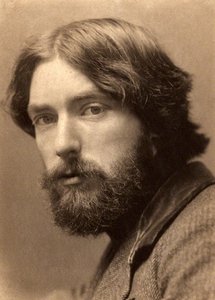
Augustus Edwin John
1878 - 1961 , United States of America
Quick Facts
- Artistic Movement Or Style: Post-Impressionism
- Artists Or Movements Influenced By This Artist: ['Modern British painting']
- Artists Who Influenced This Artist:
- Rubens
- Matisse
- Gauguin
- Date Of Birth: January 4, 1878
- Date Of Death: October 31, 1961
- Full Name: Augustus Edwin John
- Nationality: Welsh
- Notable Artworks:
- Caspar
- Air Mechanic Shaw
- David John
- Place Of Birth: Tenby, Wales
Related Articles

John Singer Sargent's 25 Masterpieces: Portraits & Beyond | ArtsDot
Explore 25 iconic John Singer Sargent paintings – from dazzling portraits to Impressionist landscapes. Discover the stories behind Madame X, El Jaleo & more! Find museum-quality art reproductions and elevate your home decor with ArtsDot.com.

John Constable's Masterpieces: Explore 25 Iconic Landscapes for Your Home
Journey through John Constable's 25 most celebrated landscapes. Explore Romanticism, Dedham Vale & his masterful use of light in iconic paintings like 'Hay Wain'. Find museum-quality art reproductions and elevate your home decor on ArtsDot.com.
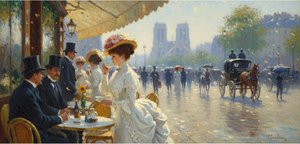
Impressionistic Realism's Finest: 10 Masterpieces for Your Home | ArtsDot
Journey through Impressionistic Realism with 10 iconic masterpieces by Monet, Renoir & Van Gogh. Explore art history, techniques & find museum-quality reproductions for your home at ArtsDot.com. Discover all masterpieces online!
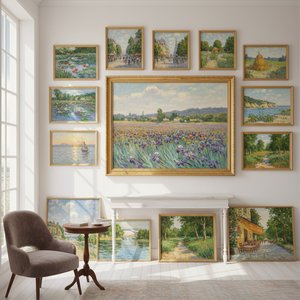
Impressionist Landscapes: 10 Masterpieces for Your Home | ArtsDot
Journey through 10 iconic Impressionist landscapes by Monet, Renoir & Degas. Explore the history, techniques & emotions behind these masterpieces. Find museum-quality reproductions for your home at ArtsDot.com – where art comes to life! Discover all masterpieces on ArtsDot.com

Impressionistic Landscapes: 10 Masterpieces That Changed Art & Decor
Journey into the heart of Impressionism! Explore 10 masterpieces by Monet, Renoir & Degas that revolutionized landscape art. Discover their stories, techniques & find museum-quality reproductions to elevate your home decor on ArtsDot.com.