 Preview
 Send
Send Share
Share
 Details

 Download
 Similars
 X-Ray
X-Ray Diaporama
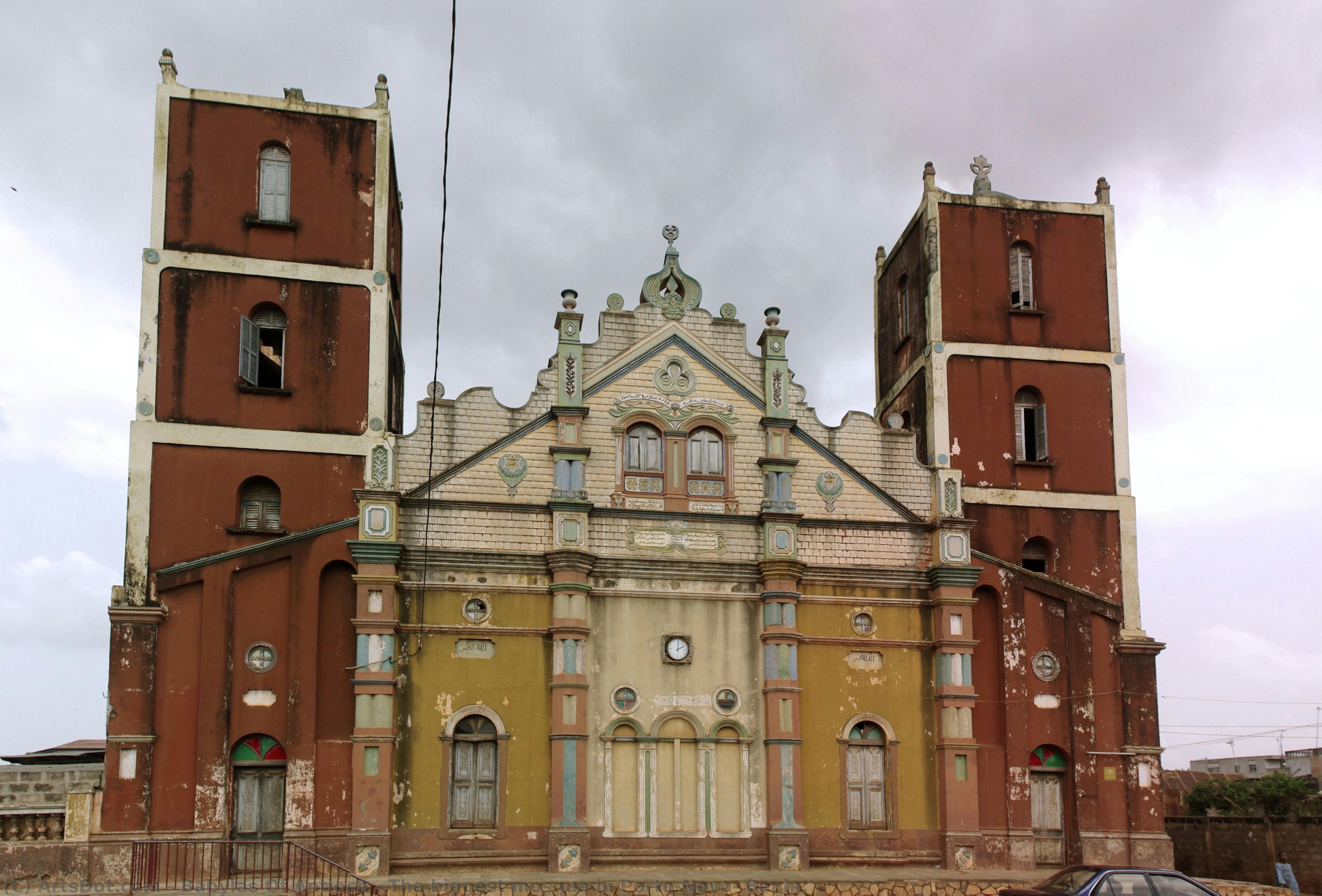
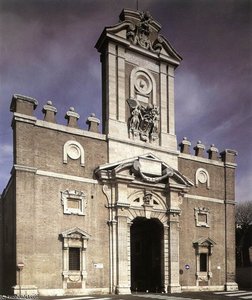
The biggest mosque in Porto-Novo, Benin.


 Read More
Hand Made Oil Reproduction
Hand-painted oil on canvas in your size and frame, made to order by our artists. ( Buy Print Buy Image)




































Pick from our preset sizes that match the artwork's original proportions.

You may enter your own dimensions to fit a specific frame or space. If your selected size does not match the original image's proportions, we will either crop the artwork or extend the painting with additional hand-painted elements. A digital mockup will be sent for your approval before production begins.
Please note that the on-screen preview does not reflect the actual cropping or extension. Only the mockup will accurately show the final composition.
While custom sizes are available, we recommend selecting a dimension from the predefined list to preserve the original proportions.
After order, ArtsDot.com team will email client for instructions and provide a mockup preview
Worldwide Delivery () in 3/4 weeks instead of standard 5 weeks. (4 September). No compromise on quality.

Free Worldwide Express Shipping

High-Quality Linen Canvas

Full Shipping Insurance

Customs Tax Refund Guarantee

True Color Matching Guarantee

60-Day Return Policy (Defects Only)

100% Money-Back Guarantee

Bulk Discount Offer
 Glass option is only available in size under 110 CM

The biggest mosque in Porto-Novo, Benin.
Reproduction Medium
Reproduction Size
-


Total Price
$ 263
Related Artworks







Artist Biography
Babylas of Antioch: A Silent Witness to Faith and Translation
The name Babylas, meaning “little” or “humble,” belies the monumental impact this Syrian patriarch has had on Christian history. Born in Antakya, a city nestled at the crossroads of empires – Roman, Byzantine, Armenian, Syriac, and Arab – during the late 3rd century AD, Babylas’s life was tragically cut short by persecution under Emperor Decius. Yet, his story transcends mere martyrdom; it's a narrative interwoven with theological debate, political maneuvering, and, most remarkably, the very first documented instance of a saint’s remains being moved – “translated” – for religious veneration. His legacy isn’t etched in grand monuments or elaborate iconography, but rather in the quiet persistence of faith and the profound shift it initiated within Christian practice.
Babylas’s ascent to the episcopacy of Antioch was a product of turbulent times. The city, once a vibrant center of Roman power and Hellenistic culture, had become a battleground for theological disputes surrounding Arianism – a challenge to the divinity of Christ. He succeeded Zebinnus in 237 AD, inheriting a church grappling with internal divisions and external pressures. His early years were marked by navigating the complexities of imperial politics and the ever-present threat of persecution. Legend quickly grew around his character; accounts depict him as a man of unwavering conviction, refusing to compromise his beliefs even when faced with threats from Emperor Philip the Arab. The story of his refusal to allow Philip entry into the Easter Vigil service – demanding penance for the emperor’s role in the murder of the young Gordian III – became a cornerstone of his hagiography, solidifying his image as a fearless defender of orthodoxy.
The Decian Persecution and Martyrdom
Babylas's tragic end occurred during the brutal Decian persecution (250-251 AD), a period of intense religious repression orchestrated by Emperor Decius. His steadfast refusal to renounce his faith led to imprisonment and ultimately, death. The Acts of the Martyrs, preserved through centuries of tradition, detail his suffering in vivid terms – a testament to the unwavering spirit that defined him. He died in prison, a martyr for his beliefs, solidifying his place as one of the earliest recognized saints within the Eastern Orthodox Church. The circumstances surrounding his demise are shrouded in some mystery; accounts suggest he was subjected to torture before succumbing to his wounds.
The Extraordinary Translation – A Revolutionary Act
What distinguishes Babylas from many other early martyrs is the extraordinary event that followed his death: the translation of his remains. Just a few years after his passing, Emperor Julian the Apostate, attempting to counter the influence of Christianity and restore pagan worship, ordered the construction of a new church dedicated to Babylas in Daphne, a suburb of Antioch. However, rather than simply erecting a tomb, Julian orchestrated the removal of Babylas’s body from its original burial site and transported it to this newly built sanctuary. This act – the deliberate relocation of a saint's remains – was unprecedented at the time. It established a precedent that would become commonplace in subsequent centuries, transforming the practice of relic veneration into a central element of Christian devotion. Historians believe Julian’s motives were complex, likely a combination of political expediency and genuine attempts to neutralize the spiritual power associated with the saint.
Legacy and Historical Significance
Babylas's legacy extends far beyond his individual martyrdom. He represents a pivotal moment in Christian history – the emergence of relic veneration as a significant religious practice. The translation of his remains wasn’t merely a symbolic gesture; it fundamentally altered how Christians interacted with saints and their legacies. It created a tangible link between the living and the dead, fostering a sense of intimacy and connection that profoundly shaped Christian spirituality. Furthermore, Babylas's story highlights the complex interplay between faith, politics, and imperial power in the early centuries of Christianity. His life serves as a reminder of the sacrifices made by those who defended their beliefs against overwhelming odds.
Modern Recognition and Remembrance
Today, Babylas is venerated primarily within the Eastern Orthodox and Eastern Catholic Churches of the Byzantine rite, with his feast day falling on September 4th in the Eastern tradition and January 24th in the Roman Rite. His story continues to be recounted and celebrated, a testament to his enduring significance. The rediscovery of his remains in the late Middle Ages and their subsequent relocation to Cremona further cemented his place as a key figure in Christian history. Babylas of Antioch – a humble patriarch who, through his unwavering faith and a single, revolutionary act, left an indelible mark on the spiritual landscape of Christendom.
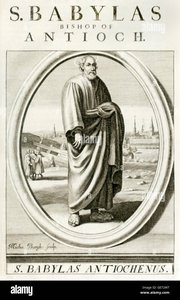
babylas of antioch
Syrian Arab Republic
Quick Facts
- Artistic Movement Or Style: Early Christian Saints
- Artists Or Movements Influenced By This Artist: ['Eastern Orthodox Church']
- Artists Who Influenced This Artist: ['Peter Chrysostom']
- Date Of Birth: Antakya, Syria (237)
- Date Of Death: 253
- Full Name: Babylas of Antioch
- Nationality: Syrian
- Notable Artworks: ['San Babila e i tre piccoli martiri']
- Place Of Birth: Antakya, Syrian Arab Republic