

 Preview
 Send
Send Share
Share
 Details

 Download
 Similars
 X-Ray
X-Ray Diaporama
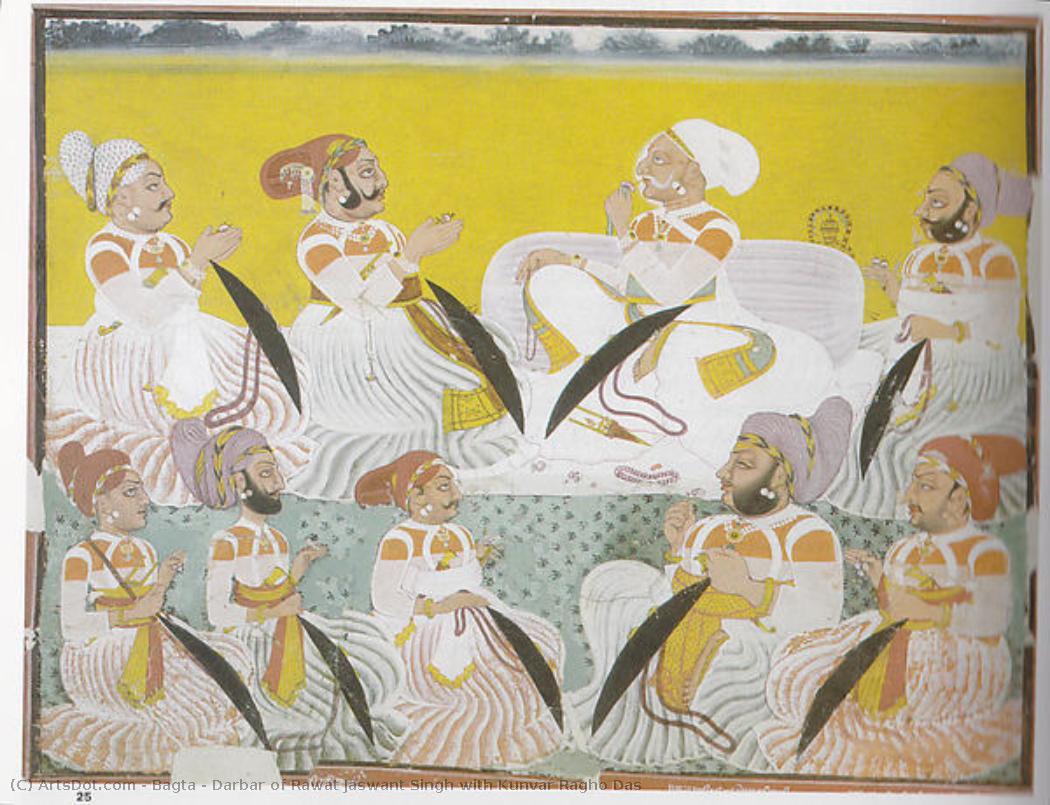
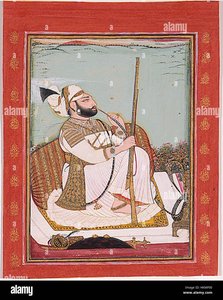
Darbar of Rawat Jaswant Singh with Kunvar Ragho Das
 1776
1776 59.0 x 74.0 cm
 Read More
Purchase a high-resolution, enhanced digital image, far superior to the online preview.
Each file is meticulously prepared by our in-house specialists using advanced tools and expert manual retouching. We ensure every image has exceptional clarity, precise color accuracy, and fine detail.
The final file is delivered via email within 72 hours, optimized for immediate use in professional, editorial, and print environments. This is the same quality trusted by top-tier design studios, publishers, and galleries.
Digital Image
Download a high-resolution file for personal display, printing, and creative projects. ( Buy Print Buy Hand Made Painting)
Included in Every Digital Image Order
Expert Digital Delivery, Guaranteed
When you choose ArtsDot.com, you're not just getting an image - you're receiving a professionally enhanced digital artwork, crafted with precision and backed by a satisfaction guarantee. Here's everything that comes with your order, automatically:

Fast Email Delivery
Your high-resolution digital image file will be emailed to you within 72 hours of ordering - ready for immediate use.

AI-Enhanced Digital File
Your artwork is professionally optimized using advanced AI tools and manual editing, ensuring maximum detail, clarity, and color accuracy.

Free Lifetime Re-Delivery
Accidentally deleted or lost your file? No worries - we'll resend it to you anytime, free of charge.

No Import Fees - Ever
Enjoy your artwork instantly with zero customs, duties, or delivery fees - digital downloads are always tax-free.

Color Accuracy Guarantee
We ensure your digital image reflects the original colors as closely as possible using professional tools and color management.

60-Day Satisfaction Guarantee
If you're not satisfied with your digital image, we'll revise it or refund 100% within 60 days - no questions asked.

100% Money-Back Guarantee
Not satisfied? Get a full refund within 60 days of receiving your digital file - no questions asked.

Bulk Order Discounts
Buy 3 images, save 10% - Buy 5, save 15% - Buy 10+, save 20%. Great for creative projects, galleries, and agencies.
Collectible Description
Related Artworks

Artist Biography
John Opie: A Cornish Wonder and the Dawn of Romantic Portraiture
Born in Mithian, a small village near St Agnes in Cornwall, on May 16th, 1761, John Opie’s life was one of remarkable early talent and a tragically curtailed career. He wasn't simply a painter; he was, as his contemporaries dubbed him, a “Cornish Wonder,” a child prodigy whose skill with brush and canvas defied conventional expectations for the time. His story is not just one of artistic achievement but also of social circumstance, familial support, and the evolving landscape of British art in the late 18th century. Opie’s early life was steeped in rural tradition, yet his access to artistic training—a rarity for a boy of his background—proved transformative.
Opie's journey began with the astute observation of John Wolcot, better known as Peter Pindar, a political satirist and art collector. Recognizing Opie’s extraordinary ability at just eleven years old, Wolcot secured him a position in London, effectively launching his career. This intervention was crucial; it placed Opie under the tutelage of Thomas Busby, a respected portrait painter, and introduced him to the influential circles of London society. Busby's instruction focused on classical techniques and meticulous observation – skills that would later inform Opie’s distinctive style. Crucially, Wolcot also arranged for Opie to study with George Romney, another prominent portraitist, providing exposure to a wider range of artistic approaches.
Opie’s early work was characterized by a remarkable dynamism and a masterful handling of light and shadow – a hallmark of Rembrandt's influence. He excelled at capturing the vitality of rural life, depicting scenes of shepherds, ploughmen, and rustic gatherings with an immediacy and emotional resonance that set him apart. These paintings weren’t merely representations; they were imbued with a sense of authentic feeling, reflecting Opie’s deep connection to the Cornish landscape and its people. His subjects often included members of the British royal family and other notable figures of his day, demonstrating his growing recognition within high society. However, as his career progressed, Opie's style shifted somewhat, becoming more polished and less overtly dramatic, a reflection perhaps of the changing artistic tastes of the era.
The Royal Academy and Artistic Legacy
Opie’s talent continued to attract attention, culminating in his appointment as Professor of Painting at the newly established Royal Academy in 1805. This was a significant milestone, marking him as a leading figure in British art education. His lectures, published posthumously in 1809, offered invaluable insights into his artistic philosophy and techniques, solidifying his place as an influential teacher. The publication of these lectures, prefaced by a memoir written by his wife, Amelia Opie – herself a successful novelist and poet – provided a comprehensive portrait of the artist’s life and thought.
Despite his academic position, Opie's later years were marked by personal tragedy. His beloved wife, Amelia, died in 1807, leaving him devastated. He continued to paint, but his output diminished considerably, and his work became increasingly repetitive and lacking the vibrancy of his earlier creations. His final paintings often featured portraits of young women, reflecting a melancholic preoccupation with beauty and loss.
Opie’s influence extended beyond his own artistic practice. He mentored several promising young artists, including Thomas Lawrence, contributing to the development of a new generation of British painters. His emphasis on direct observation, emotional expression, and skillful rendering of light and shadow helped shape the direction of portraiture in Britain during this period.
Technique and Influences
Opie’s artistic style was a complex synthesis of influences, drawing upon both classical traditions and contemporary trends. He studied diligently under Busby and Romney, absorbing their technical expertise and developing a strong foundation in academic painting. However, he also embraced the expressive qualities of Rembrandt, particularly his dramatic use of chiaroscuro – the interplay of light and shadow – to create mood and atmosphere. This influence is readily apparent in his early portraits, where figures are bathed in pools of light, conveying a sense of drama and psychological depth.
Furthermore, Opie’s work was deeply rooted in the Cornish landscape. He possessed an intimate knowledge of the region's topography, flora, and fauna, which he skillfully incorporated into his paintings. His depictions of rural life were not simply picturesque; they were imbued with a sense of authenticity and social commentary. The rugged beauty of Cornwall served as both inspiration and subject matter for Opie’s most memorable works.
Beyond Rembrandt, Opie also demonstrated an appreciation for the work of earlier masters, including Claude Lorrain and Nicolas Poussin. His landscapes often feature idealized settings and carefully composed arrangements, reflecting his understanding of classical principles of design. However, he adapted these influences to create a distinctly British style – one that was both elegant and emotionally resonant.
Historical Significance and Lasting Impact
John Opie’s career represents a pivotal moment in the history of British art. He emerged during a period of significant change, as the Royal Academy sought to establish itself as the dominant institution for artistic training and patronage. Opie's success demonstrated that talent could emerge from humble origins, challenging the traditional hierarchies of the art world.
His work helped to popularize portraiture in Britain, making it more accessible to a wider audience. His paintings captured the personalities and social standing of prominent figures, providing valuable insights into the lives of the elite. Moreover, Opie’s emphasis on emotional expression and direct observation paved the way for the Romantic movement, which would soon transform British art with its focus on subjective experience and individual feeling.
Today, John Opie is remembered as one of Britain's most important portrait painters. His works are held in major museums around the world, including the Tate and the National Gallery. His legacy continues to inspire artists and scholars alike, reminding us of the enduring power of talent, observation, and artistic vision.
bagta
1761 - 1814 , India
Quick Facts
- Artistic Movement Or Style: Portraiture, Rustic Fancy
- Artists Or Movements Influenced By This Artist: ['Royal Academy']
- Artists Who Influenced This Artist:
- Jean-Siméon Chardin
- François Boucher
- Date Of Birth: May 1761
- Date Of Death: April 1807
- Full Name: John Opie
- Nationality: British
- Notable Artworks:
- The Blue Boy
- A Farmhouse Scene
- Place Of Birth: Mithian, Cornwall, UK

