

 Preview
 Send
Send Share
Share
 Details

 Download
 Similars
 X-Ray
X-Ray Diaporama
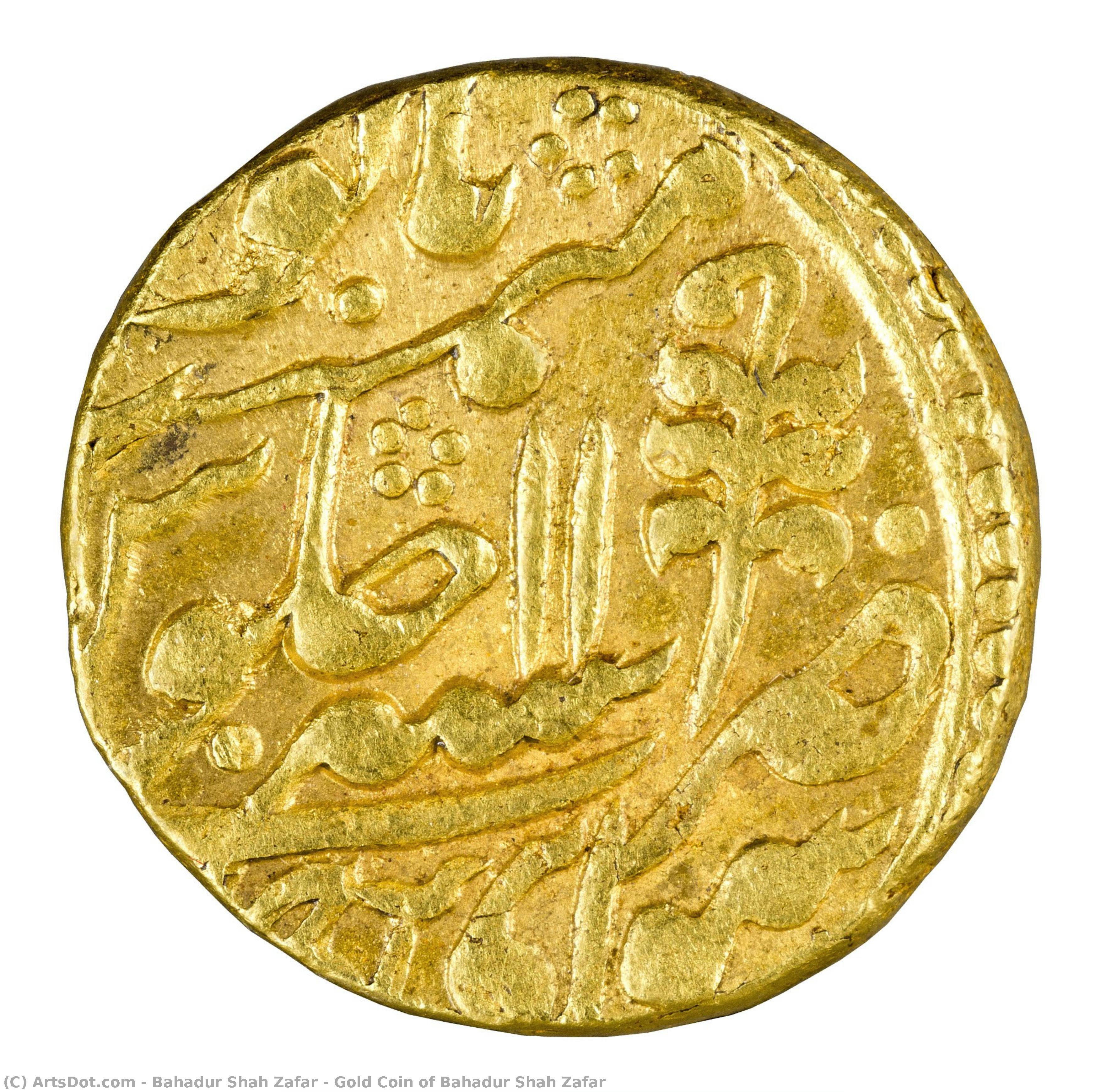
Gold Coin of Bahadur Shah Zafar


 Read More
Purchase a high-resolution, enhanced digital image, far superior to the online preview.
Each file is meticulously prepared by our in-house specialists using advanced tools and expert manual retouching. We ensure every image has exceptional clarity, precise color accuracy, and fine detail.
The final file is delivered via email within 72 hours, optimized for immediate use in professional, editorial, and print environments. This is the same quality trusted by top-tier design studios, publishers, and galleries.
Digital Image
Download a high-resolution file for personal display, printing, and creative projects. ( Buy Print Buy Hand Made Painting)
Included in Every Digital Image Order
Expert Digital Delivery, Guaranteed
When you choose ArtsDot.com, you're not just getting an image - you're receiving a professionally enhanced digital artwork, crafted with precision and backed by a satisfaction guarantee. Here's everything that comes with your order, automatically:

Fast Email Delivery
Your high-resolution digital image file will be emailed to you within 72 hours of ordering - ready for immediate use.

AI-Enhanced Digital File
Your artwork is professionally optimized using advanced AI tools and manual editing, ensuring maximum detail, clarity, and color accuracy.

Free Lifetime Re-Delivery
Accidentally deleted or lost your file? No worries - we'll resend it to you anytime, free of charge.

No Import Fees - Ever
Enjoy your artwork instantly with zero customs, duties, or delivery fees - digital downloads are always tax-free.

Color Accuracy Guarantee
We ensure your digital image reflects the original colors as closely as possible using professional tools and color management.

100-Day Satisfaction Guarantee
If you're not satisfied with your digital image, we'll revise it or refund 100% within 100 days - no questions asked.

100% Money-Back Guarantee
Not satisfied? Get a full refund within 100 days of receiving your digital file - no questions asked.

Bulk Order Discounts
Buy 3 images, save 10% - Buy 5, save 15% - Buy 10+, save 20%. Great for creative projects, galleries, and agencies.
A Glimpse into Imperial India – The Gold Coin of Bahadur Shah Zafar
The image before you captures more than just a gold coin; it’s a tangible fragment of a bygone era, a whispered echo of the last Mughal Emperor and his tumultuous reign. This intricately designed piece, depicting the profile of Bahadur Shah Zafar, isn't merely a monetary object but a miniature historical record, a testament to artistry and political upheaval within the vibrant tapestry of 18th-century India. The coin’s weathered surface speaks volumes – it has witnessed centuries, bearing the subtle marks of time and handling, lending an undeniable sense of authenticity and connection to its past.
The craftsmanship is immediately striking. The central portrait, rendered with remarkable detail for its size, showcases Zafar's regal features—a strong jawline, a thoughtful gaze, and the subtle ornamentation characteristic of Mughal imperial iconography. Surrounding this central figure are Arabic inscriptions, likely detailing the coin’s minting date (1274), the emperor’s title, and perhaps even auspicious blessings. The use of raised lettering and meticulously applied borders demonstrates the skill of the goldsmith and the importance placed on both function and aesthetic appeal in Mughal coinage.
The Emperor and His Legacy
Bahadur Shah Zafar (1775-1862) was a complex figure, a poet, calligrapher, and ultimately, the last sovereign of the once-mighty Mughal Empire. Born Mirza Abu Zafar Sirajuddin Muhammad, he ascended to the throne in 1837 following the death of his father, Akbar II. His reign, though brief, marked a poignant transition – a final, flickering ember of an empire that had already begun its decline. He was known by his pen name, Zafar, meaning “Victory,” a title tragically ironic given the circumstances of his exile and eventual demise.
The coin’s creation occurred during a period of immense political change. The British East India Company's influence was steadily tightening its grip on India, leading to widespread unrest and ultimately, the Sepoy Mutiny of 1857. Zafar’s role in this uprising, though largely symbolic, cemented his place as a symbol of resistance against colonial rule. The coin itself can be viewed as a subtle assertion of imperial authority amidst growing instability – a reminder of the Mughal dynasty's past glory even as it faded into memory.
Symbolism and Artistic Technique
Beyond its historical significance, the coin is a remarkable example of Mughal artistic technique. The gold itself—a precious metal signifying wealth and power—is expertly worked to create a smooth, lustrous surface. The intricate details of the portrait are achieved through a combination of repoussé (hammering from the reverse side) and chasing (using tools to raise or lower the metal's surface), techniques that demand considerable skill and patience. The stylized floral motifs adorning the borders—often found in Mughal art—add an element of elegance and refinement, reflecting the empire’s appreciation for beauty and ornamentation.
The coin’s design also incorporates elements of Islamic symbolism. Geometric patterns and calligraphy are frequently used to convey religious messages and honor Allah. The use of Arabic script not only provides information about the coin but also reflects its connection to a rich cultural heritage.
A Window into the Past – Reproduction Possibilities
Reproductions of this extraordinary coin offer a unique opportunity to bring a piece of Mughal history into your home or office. When selecting a reproduction, consider the materials used—high-quality resin or metal are essential to capture the coin’s original luster and detail. The level of craftsmanship in the reproduction should be comparable to the original, ensuring that it accurately reflects the artistry and historical significance of this remarkable artifact. This piece serves as a beautiful reminder of India's rich past, inviting contemplation on its emperors, its art, and its enduring legacy.
Related Artworks



Artist Biography
early life and reign
bahadur shah zafar, also known as bahadur shah ii, was the last mughal emperor of india, born in delhi, india in 1775. he was the second son of emperor akbar ii and became emperor in 1837 after his father's death.artistic pursuits
apart from being a ruler, bahadur shah zafar was a well-known poet and calligrapher, known by his pen name zafar. his artistic talents are a testament to the cultural richness of the mughal empire.notable artworks
although primarily known for his poetic works, bahadur shah zafar's artistic endeavors can be seen in various forms. unfortunately, due to the passage of time and historical events, many of his artworks are not readily available. however, his legacy lives on through his writings.- important note: as a poet, bahadur shah zafar's works are more prevalent in literary archives rather than art collections like ArtsDot, which focuses on visual arts.
- for enthusiasts of mughal art, ArtsDot offers a wide range of artworks from the mughal period, including paintings and sculptures. explore the mughal art movement to discover more about this fascinating era.
- visit the wahoo art timeline for a detailed overview of art history, including the mughal period and its influence on indian art.
legacy and exile
bahadur shah zafar's reign was marked by the indian rebellion of 1857, which led to his deposition and exile to rangoon, burma, by the british in 1858. he passed away in 1862.conclusion
bahadur shah zafar's life is a blend of politics, poetry, and art, reflecting the complex nature of the mughal empire. while his visual artworks may not be as widely available, his legacy as a poet and last mughal emperor endures.- explore more about indian art and the mughal period on ArtsDot.
- discover the wahoo art timeline for a comprehensive view of art history.
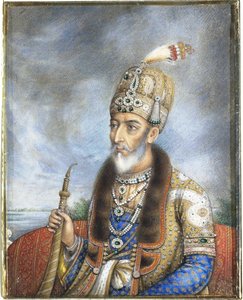
bahadur shah zafar
1775 - 1862 , India
Quick Facts
- Artistic Movement Or Style: Mughal art & poetry
- Artists Or Movements Influenced By This Artist: ['Mughal art movement']
- Artists Who Influenced This Artist: ['Akbar II']
- Date Of Birth: October 24, 1775
- Date Of Death: November 7, 1862
- Full Name: Abu Zafar Siraj-ud-din Muhammad
- Nationality: Indian
- Notable Artworks: ['Kulliyyat-i-Zafar']
- Place Of Birth: Delhi, India