 Preview
 Send
Send Share
Share
 Details

 Download
 Similars
 X-Ray
X-Ray Diaporama
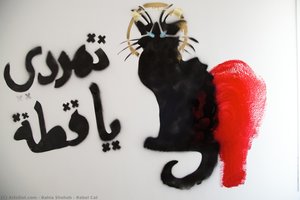
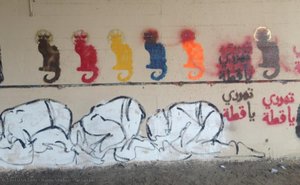
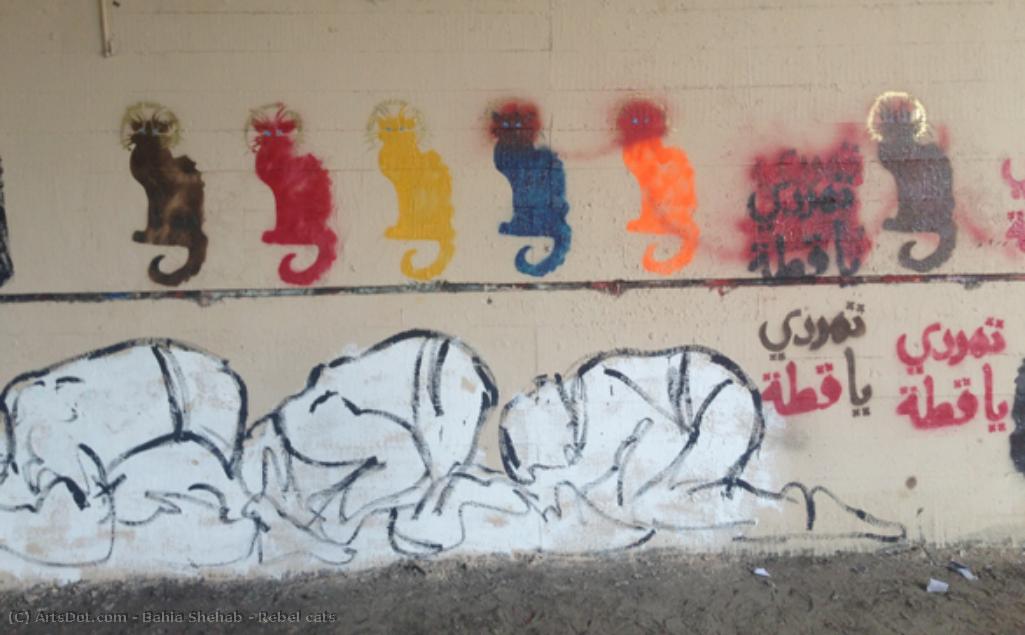
Rebel cats

 Read More
Giclée / Art Print
Museum-quality giclée or canvas print with fast production and flexible finish options. ( Buy Hand Made Painting Buy Image)




































Pick from our preset sizes that match the artwork's original proportions.

You may enter your own dimensions to fit a specific frame or space. If your selected size does not match the original image's proportions, we will either crop the artwork or extend the image with a mirrored or solid-fill edge. A digital mockup will be sent for your approval before production begins.
Please note that the on-screen preview does not reflect the actual cropping or extension. Only the mockup will accurately show the final composition.
While custom sizes are available, we recommend selecting a dimension from the predefined list to preserve the original proportions.
Worldwide Delivery () in 2 weeks instead of standard 4/5 weeks. (28 August)

Free Worldwide Express Shipping

High-Quality Linen Canvas

Full Shipping Insurance

Customs Tax Refund Guarantee

True Color Matching Guarantee

60-Day Return Policy (Defects Only)

100% Money-Back Guarantee

Bulk Discount Offer
 Glass option is only available in size under 110 CM

Rebel cats
Giclée / Art Print
Reproduction Size
-


Total Price
$ 63
Related Artworks
Artist Biography
A Voice Forged in Calligraphy and Revolution
Bahia Shehab isn’t simply an artist; she is a cultural cartographer, meticulously charting the intersections of identity, heritage, and social justice through a powerfully unique visual language. Born in Beirut in 1977, her journey led her back to Egypt, where she has become a pivotal figure in contemporary Arab art. Her work doesn’t merely depict the complexities of the region—it *is* a product of them, born from a deep engagement with its history and an unwavering commitment to its future. Shehab's multidisciplinary approach – encompassing roles as designer, historian, creative director, educator, and activist – allows her to navigate these complex terrains with remarkable depth and nuance. Her art is not confined to galleries; it breathes in the streets of Cairo, resonating with a public hungry for expression and change.From Ancient Scripts to Modern Protest
Shehab’s artistic foundation lies firmly rooted in the exquisite tradition of Islamic calligraphy. However, she doesn't approach this heritage as a static relic to be preserved but rather as a dynamic tool to be reimagined. She masterfully blends centuries-old techniques with modern graphic design principles, infusing them with potent political messaging. This isn’t simply about aesthetics; it’s about reclaiming and recontextualizing a visual vocabulary that has long been central to Arab identity. Her influences are diverse, drawing inspiration from the intricate patterns and symbolic meanings embedded within historical Islamic art, the vibrant energy of Egyptian street culture, and the critical insights of feminist thought. She sees in these sources not just artistic precedents but also pathways for dialogue and resistance. The streets of Cairo, with their layered visual narratives, became a crucial canvas for her work, particularly during the tumultuous period of the 2011 revolution.The Power of ‘No’ and Beyond
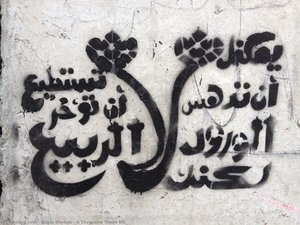
Central to understanding Shehab's artistic vision is recognizing the power she invests in Arabic script. For her, it isn’t merely a decorative element but a vehicle for conveying profound messages—a means of giving voice to the marginalized and challenging oppressive structures. Her groundbreaking project, “A Thousand Times No,” exemplifies this approach. Initially conceived as an exploration of the historical variations of the Arabic ‘no,’ the work took on new urgency during the Egyptian uprising. Shehab transformed this seemingly simple negation into a powerful symbol of defiance, spray-painting it across Cairo’s walls in countless forms, each iteration resonating with specific grievances and aspirations. This act wasn't just artistic expression; it was an intervention—a reclaiming of public space and a declaration of resistance. Beyond “A Thousand Times No,” her work consistently tackles themes of political oppression, social inequality, and the challenges faced by women in Arab societies, employing bold typography and striking visual compositions to amplify her message.Recognition and Legacy
Bahia Shehab’s impact extends far beyond the borders of Egypt. Her street art interventions sparked crucial dialogues and inspired social change within the region and internationally. Exhibitions worldwide have brought Arab contemporary art to a global audience, challenging conventional narratives and fostering cross-cultural understanding. Recognition has come in many forms, including features in prestigious publications like Polaris Catalogue (2019) and, notably, being the first Arab woman to receive the UNESCO-Sharjah Prize for Arab Culture. She is also a TED Global Fellow and Senior Fellow, platforms that have allowed her to share her vision with an even wider audience. Her current role as Professor of Practice in Design at The American University in Cairo further solidifies her legacy, shaping the next generation of artists and designers who are committed to using their creativity for social impact. Bahia Shehab’s work is a testament to the enduring power of art to challenge injustice, preserve cultural heritage, and inspire hope—a vital voice within the contemporary Arab art scene and beyond.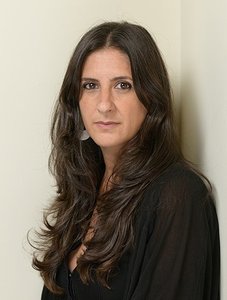
Bahia Shehab
1977 - , Lebanon
Quick Facts
- Artistic Movement Or Style: Contemporary Arab art
- Artists Who Influenced This Artist: ['Islamic calligraphy artists']
- Date Of Birth: 1977
- Full Name: Bahia Shehab
- Nationality: Egyptian-Lebanese
- Notable Artworks:
- Rebel Cat
- Some people...
- How Big is the Idea
- Place Of Birth: Beirut, Lebanon