 Preview
 Send
Send Share
Share
 Details

 Download
 Similars
 X-Ray
X-Ray Diaporama
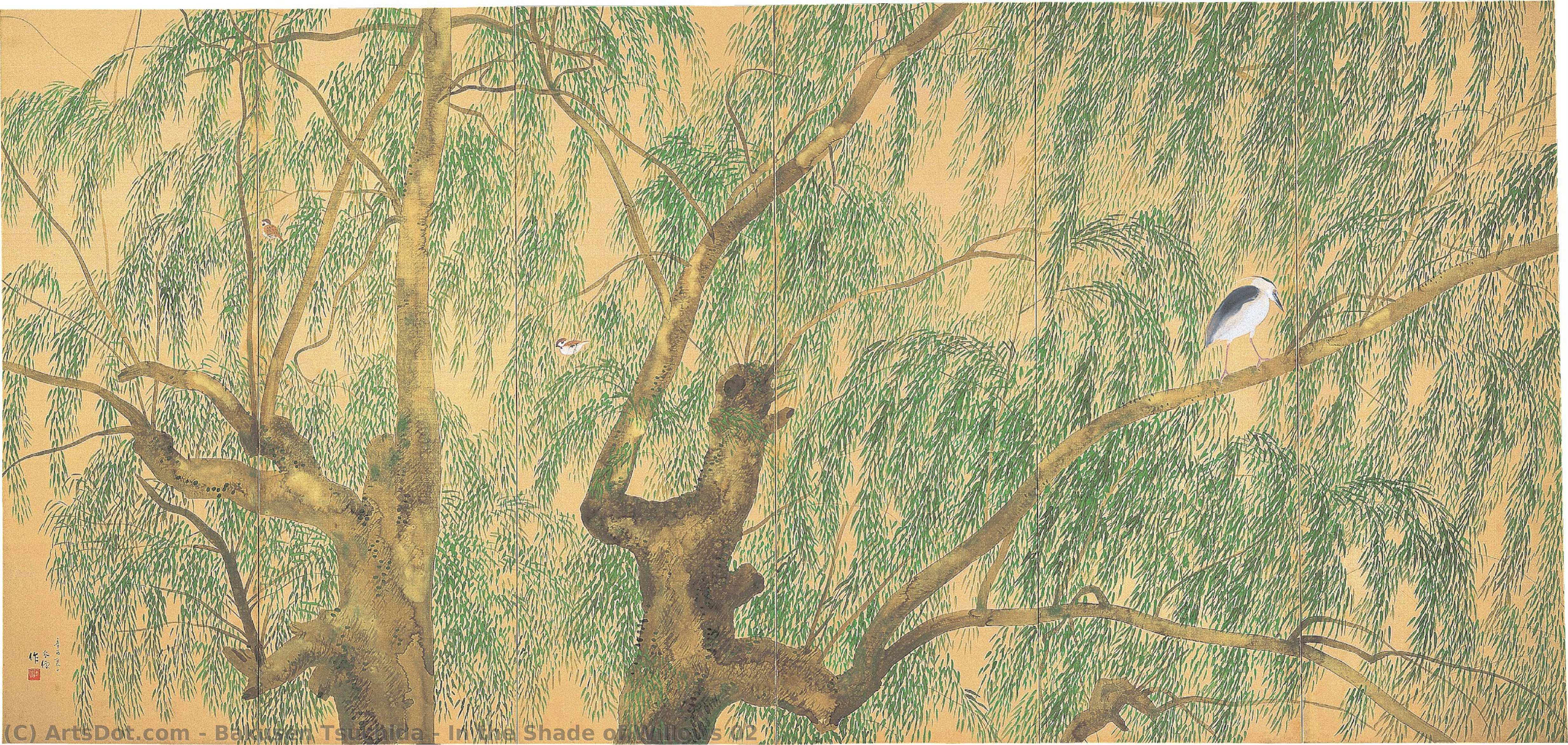
In the Shade of Willows 02
 1921
1921 170.0 x 356.0 cm
 Read More
Hand Made Oil Reproduction
Hand-painted oil on canvas in your size and frame, made to order by our artists. ( Buy Print Buy Image)




































Pick from our preset sizes that match the artwork's original proportions.

You may enter your own dimensions to fit a specific frame or space. If your selected size does not match the original image's proportions, we will either crop the artwork or extend the painting with additional hand-painted elements. A digital mockup will be sent for your approval before production begins.
Please note that the on-screen preview does not reflect the actual cropping or extension. Only the mockup will accurately show the final composition.
While custom sizes are available, we recommend selecting a dimension from the predefined list to preserve the original proportions.
After order, ArtsDot.com team will email client for instructions and provide a mockup preview
Worldwide Delivery () in 3/4 weeks instead of standard 5 weeks. (21 August). No compromise on quality.

Free Worldwide Express Shipping

High-Quality Linen Canvas

Full Shipping Insurance

Customs Tax Refund Guarantee

True Color Matching Guarantee

60-Day Return Policy (Defects Only)

100% Money-Back Guarantee

Bulk Discount Offer
 Glass option is only available in size under 110 CM

In the Shade of Willows 02
Reproduction Medium
Reproduction Size
-


Total Price
$ 263
Related Artworks





Artist Biography
The Luminous Synthesis of Bakusen Tsuchida
In the delicate intersection where the ancient traditions of Japan meet the vibrant, light-drenched innovations of Western modernism, the work of Bakusen Tsuchida resides. Born Kinji Tsuchida on the ruggedly beautiful Sado Island in 1887, his life was a profound journey of escaping destiny to embrace a calling. Though his family initially envisioned a future for him within the quiet sanctity of the Buddhist priesthood, the young artist fled the temple's discipline to pursue the transformative power of the brush. This early rebellion set the stage for a career defined by the synthesis of disparate worlds, as he sought to revitalize the Nihonga style by infusing it with the atmospheric sensibilities of European Impressionism and the structural elegance of the Italian Renaissance.
Tsuchida’s artistic evolution was nurtured under the guidance of masters such as Suzuki Shonen and the legendary Takeuchi Seiho. His formal training at the Kyoto City Specialist School provided him with a rigorous foundation in traditional mineral pigments and organic binders, yet his spirit remained restless for more. He became part of a burgeoning movement of artists who looked toward the West, finding inspiration in the fleeting light of Monet and the soft textures of Renoir. This period of exploration was not merely about imitation but about a deep, soulful integration; he utilized the meticulous, layered techniques of Nihonga to capture the ephemeral qualities of light and shadow that characterized the modern era.
A Mastery of Light and Form
The brilliance of Tsuchida’s oeuvre lies in his ability to render the physical world with both startling clarity and poetic abstraction. His compositions often centered on the grace of the human form, particularly through Bijinga (paintings of beautiful women) and portraits of maiko, where he could showcase his mastery of texture—the smoothness of silk, the intricate patterns of a kimono, and the soft glow of skin. Yet, his landscapes were equally profound, often imbued with the Japanese aesthetic of wabi-sabi, finding beauty in the transient and the imperfect. Through his use of luminous color palettes, he could evoke the humid heat of a summer afternoon or the crisp, biting air of an island coast.
His technical achievements were recognized early and often by the most prestigious institutions of his time. His journey through the Bunten exhibitions marked him as a rising star, earning accolades for works such as Seisho (Cooling Summer Heat) and Kami (Hair). These pieces demonstrated a burgeoning ability to balance the weight of tradition with a new, breathing vitality. As he matured, his work became increasingly sophisticated, moving beyond mere representation toward a more profound emotional resonance that spoke to both the Japanese soul and the global art dialogue.
Legacy of a Modern Visionary
Though his life was tragically cut short in 1936 at the age of forty-nine, Bakusen Tsuchida left behind an indelible mark on the trajectory of Japanese art. He belonged to a pivotal generation that refused to see tradition as a static relic of the past, instead treating it as a living, breathing medium capable of absorbing the world's changing light. His legacy is found in the way he bridged the gap between the East and the West, creating a visual language that was uniquely his own—one that honored the heritage of Sado and Kyoto while embracing the boundless horizons of modernism.
Today, his works serve as a testament to the power of artistic courage. To look upon a Tsuchida painting is to witness a moment of perfect equilibrium:
- The fusion of techniques: The marriage of traditional mineral pigments with Impressionistic light.
- The depth of subject matter: A profound connection to Japanese cultural identity through portraits and landscapes.
- The enduring spirit: A lifelong commitment to breaking boundaries and redefining the limits of Nihonga.
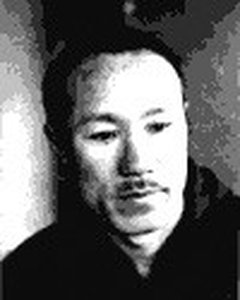
bakusen tsuchida
1887 - 1936 , Japan
Quick Facts
- Artistic Movement Or Style: Nihonga
- Artists Or Movements Influenced By This Artist:
- French Impressionism
- Italian Renaissance
- Artists Who Influenced This Artist:
- Takeuchi Seiho
- Suzuki Shonen
- Date Of Birth: February 9, 1887
- Date Of Death: June 10, 1936
- Full Name: Bakusen Tsuchida
- Nationality: Japanese
- Notable Artworks: ['In the Shade of Willows 02']
- Place Of Birth: Sado Island, Niigata Prefecture