

 Preview
 Send
Send Share
Share
 Details

 Download
 Similars
 X-Ray
X-Ray Diaporama
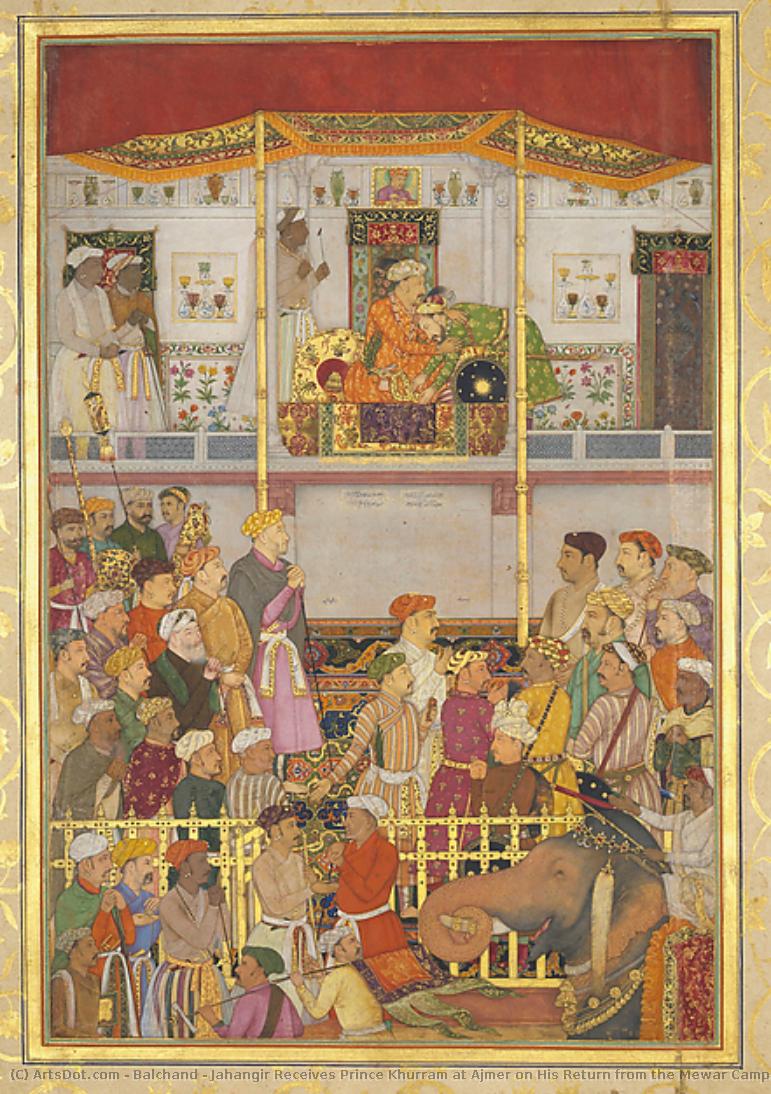
Jahangir Receives Prince Khurram at Ajmer on His Return from the Mewar Campaign: Page from the Windsor Padshahnama
 1635
1635 91.0 x 70.0 cm
 Read More
Purchase a high-resolution, enhanced digital image, far superior to the online preview.
Each file is meticulously prepared by our in-house specialists using advanced tools and expert manual retouching. We ensure every image has exceptional clarity, precise color accuracy, and fine detail.
The final file is delivered via email within 72 hours, optimized for immediate use in professional, editorial, and print environments. This is the same quality trusted by top-tier design studios, publishers, and galleries.
Digital Image
Download a high-resolution file for personal display, printing, and creative projects. ( Buy Print Buy Hand Made Painting)
Included in Every Digital Image Order
Expert Digital Delivery, Guaranteed
When you choose ArtsDot.com, you're not just getting an image - you're receiving a professionally enhanced digital artwork, crafted with precision and backed by a satisfaction guarantee. Here's everything that comes with your order, automatically:

Fast Email Delivery
Your high-resolution digital image file will be emailed to you within 72 hours of ordering - ready for immediate use.

AI-Enhanced Digital File
Your artwork is professionally optimized using advanced AI tools and manual editing, ensuring maximum detail, clarity, and color accuracy.

Free Lifetime Re-Delivery
Accidentally deleted or lost your file? No worries - we'll resend it to you anytime, free of charge.

No Import Fees - Ever
Enjoy your artwork instantly with zero customs, duties, or delivery fees - digital downloads are always tax-free.

Color Accuracy Guarantee
We ensure your digital image reflects the original colors as closely as possible using professional tools and color management.

60-Day Satisfaction Guarantee
If you're not satisfied with your digital image, we'll revise it or refund 100% within 60 days - no questions asked.

100% Money-Back Guarantee
Not satisfied? Get a full refund within 60 days of receiving your digital file - no questions asked.

Bulk Order Discounts
Buy 3 images, save 10% - Buy 5, save 15% - Buy 10+, save 20%. Great for creative projects, galleries, and agencies.
Related Artworks


Artist Biography
Michelangelo Merisi da Caravaggio: A Life Painted in Shadow and Fire
Michelangelo Merisi da Caravaggio, more famously known simply as Caravaggio, remains one of the most enigmatic and influential figures in art history. Born in Milan in 1571, his life was a turbulent tapestry woven with threads of artistic genius, violent outbursts, and profound personal tragedy. His brief but intensely productive career revolutionized painting, introducing a dramatic realism that continues to captivate audiences centuries later. Caravaggio’s legacy isn't just found in the masterpieces he created; it lies within the very techniques he pioneered – particularly his masterful use of *chiaroscuro*, the stark contrast between light and dark – which fundamentally altered the course of Western art.
Early Life and Artistic Beginnings
Caravaggio’s early life was marked by profound loss. Orphaned at just eleven years old following a devastating plague, he spent his formative years in Milan under the care of relatives. This early trauma profoundly shaped his personality, contributing to the volatile nature that would characterize much of his adult life. He began an apprenticeship with Simone Peterzano around 1584, learning the fundamentals of painting but quickly developing his own distinctive style. His initial work focused on still lifes – vibrant depictions of fruits and flowers – a skill he honed while struggling to make ends meet in Milan. It was during this period that he developed a keen eye for detail and an understanding of color and composition, laying the groundwork for his later dramatic achievements.
Rome: A Crucible of Innovation
In 1592, at the age of twenty-one, Caravaggio fled to Rome, a city teeming with artistic opportunity but also rife with social unrest and crime. He quickly found work assisting other painters, often in less prestigious studios, while simultaneously developing his own unique style. His breakthrough came through the patronage of Cardinal Francesco Maria del Monte, a wealthy art collector who recognized Caravaggio’s extraordinary talent. Del Monte provided him with commissions and a studio, allowing Caravaggio to flourish and establish himself as a rising star. It was during this period that he began to paint religious scenes in a strikingly realistic style – a departure from the idealized depictions prevalent at the time.
The Revolutionary Technique of *Chiaroscuro*
Caravaggio’s most significant contribution to art lies in his revolutionary use of light and shadow, known as *chiaroscuro*. He didn't simply paint a scene; he sculpted it with light. He employed dramatic contrasts between intensely bright areas and deep shadows, creating an almost theatrical effect that heightened the emotional impact of his paintings. This technique wasn’t merely stylistic; it served to draw the viewer’s eye to key figures and details, intensifying their drama and immediacy. Caravaggio often worked directly onto the canvas without preliminary sketches, layering paint in rapid succession – a method that contributed to the spontaneity and dynamism of his work. His use of modeling, creating three-dimensional forms through subtle gradations of light and shadow, further enhanced the realism of his figures.
Major Works and Lasting Influence
Caravaggio’s most celebrated works include *The Musicians* (1595), a vibrant depiction of musicians playing in a Roman courtyard, showcasing his innovative use of perspective and everyday models. His series of paintings depicting the Passion of Christ – *The Entombment of Christ*, *The Crucifixion*, and *The Washing of the Feet* – are considered masterpieces of Baroque art. The *Calling of St. Matthew* (1599-1600) is particularly notable for its dramatic composition and realistic portrayal of a humble biblical scene. His work, *David with the Head of Goliath* (1607-1608), exemplifies his ability to infuse historical narratives with intense emotion and psychological depth. Caravaggio’s influence extended far beyond his own lifetime. Artists like Rembrandt, Velázquez, and Gentileschi were profoundly inspired by his techniques, shaping the development of Baroque painting across Europe.
Caravaggio's life ended tragically in 1610 at the age of thirty-nine. He was killed during a street brawl in Porto Ercole, Italy, after an argument over a woman. Despite his short and tumultuous career, Caravaggio’s legacy as one of the greatest artists of all time remains secure, his paintings continuing to resonate with viewers today through their raw emotion, dramatic intensity, and groundbreaking artistic innovations.
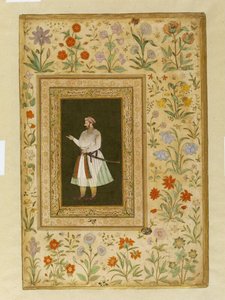
balchand
1595 - , India
Quick Facts
- Artistic Movement Or Style: Baroque; Tenebrism
- Artists Or Movements Influenced By This Artist: ['Baroque Painting']
- Artists Who Influenced This Artist: ['Caravaggio']
- Date Of Birth: September 29, 1571
- Date Of Death: July 18, 1610
- Full Name: Michelangelo Merisi da Caravaggio
- Nationality: Italian
- Notable Artworks:
- The Musicians
- The Death of the Virgin
- David with the Head of Goliath
- Supper at Emmaus
- Place Of Birth: Milan, Italy

