 Preview
 Send
Send Share
Share
 Details

 Download
 Similars
 X-Ray
X-Ray Diaporama
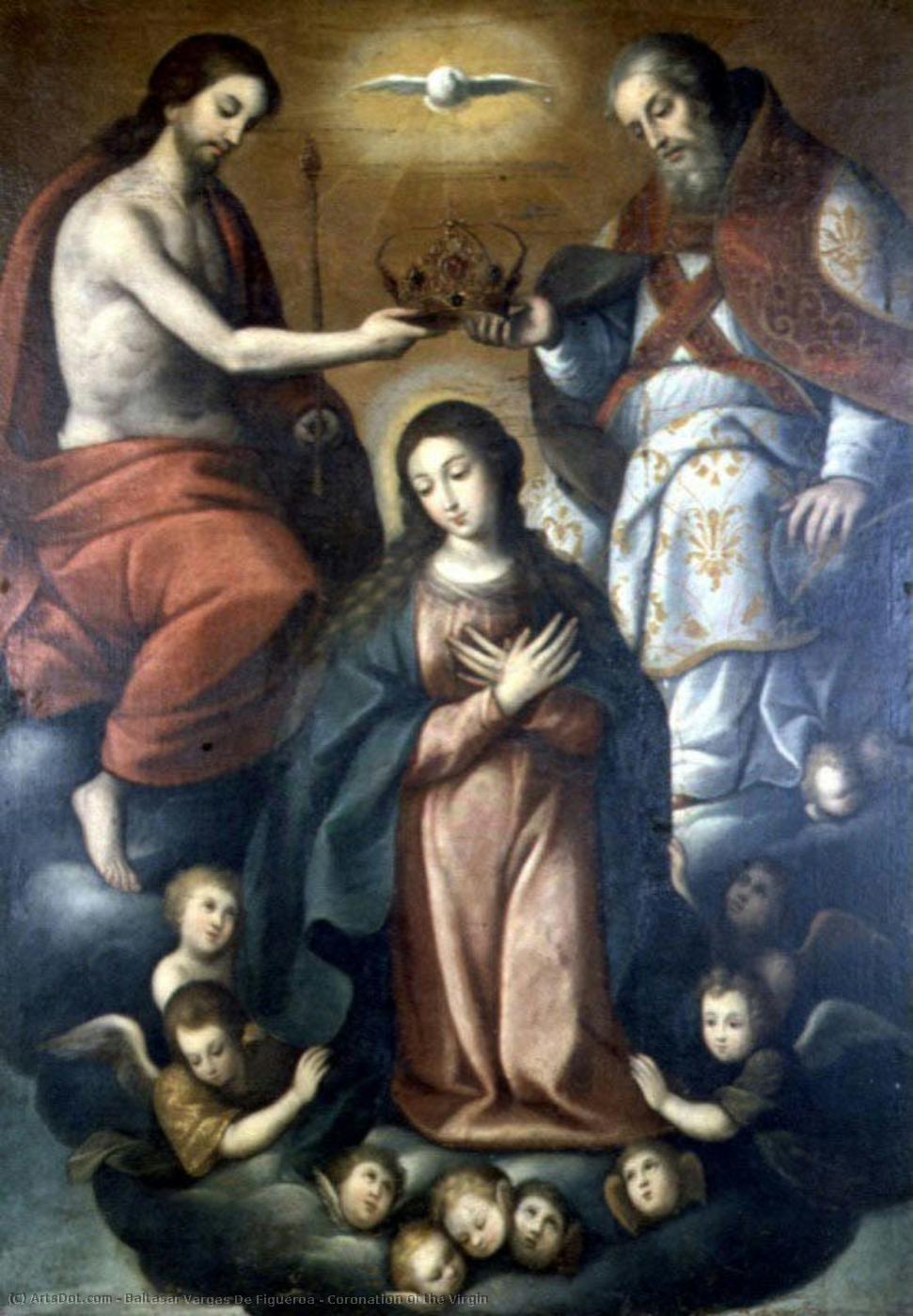
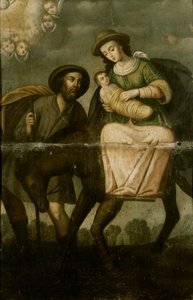
Coronation of the Virgin
 1600
1600 221.0 x 154.0 cm
 Museo de la Universidad del Rosario
 Read More
Hand Made Oil Reproduction
Hand-painted oil on canvas in your size and frame, made to order by our artists. ( Buy Print Buy Image)




































Pick from our preset sizes that match the artwork's original proportions.

You may enter your own dimensions to fit a specific frame or space. If your selected size does not match the original image's proportions, we will either crop the artwork or extend the painting with additional hand-painted elements. A digital mockup will be sent for your approval before production begins.
Please note that the on-screen preview does not reflect the actual cropping or extension. Only the mockup will accurately show the final composition.
While custom sizes are available, we recommend selecting a dimension from the predefined list to preserve the original proportions.
After order, ArtsDot.com team will email client for instructions and provide a mockup preview
Worldwide Delivery () in 3/4 weeks instead of standard 5 weeks. (23 August). No compromise on quality.

Free Worldwide Express Shipping

High-Quality Linen Canvas

Full Shipping Insurance

Customs Tax Refund Guarantee

True Color Matching Guarantee

60-Day Return Policy (Defects Only)

100% Money-Back Guarantee

Bulk Discount Offer
 Glass option is only available in size under 110 CM

Coronation of the Virgin
Reproduction Medium
Reproduction Size
-


Total Price
$ 263
Related Artworks




Artist Biography
Baltasar Vargas de Figueroa: A Legacy of Faith and Form in Colonial Colombia
Born in Bogotá, Colombia, in 1629, Baltasar Vargas de Figueroa stands as a pivotal figure in the artistic landscape of colonial South America. His life, inextricably linked to his renowned father, Gaspar de Figueroa, and the broader legacy of the “Taller de los Figueroa,” reveals a fascinating interplay of apprenticeship, tradition, and burgeoning individual style. While often overshadowed by his family’s established reputation, Vargas’s contributions – primarily in religious paintings and portraits – offer a valuable window into the artistic practices and spiritual concerns of 17th-century New Granada.
Vargas's early life was deeply immersed within the artistic world of his father. He began his training in Gaspar’s workshop, benefiting from direct instruction and exposure to established techniques. This close relationship, however, presents a unique challenge for art historians: many works attributed to Gaspar de Figueroa are believed to have been completed by his son, making definitive attribution difficult. Beyond his familial connection, Vargas also served as second lieutenant of militias, demonstrating an engagement with civic life alongside his artistic pursuits. Notably, he was mentored by prominent artists like Gregorio Carvallo de la Parra and the Vásquez brothers – Juan Bautista and Gregorio Vásquez de Arce y Ceballos – further enriching his artistic education and contributing to the vibrant creative environment of Bogotá.
A Style Rooted in Tradition
Vargas’s artistic style is generally considered to be firmly rooted in the traditions of colonial painting, drawing heavily on European influences while adapting them to the specific context of New Granada. His works predominantly feature religious subjects – scenes from the life of Christ, depictions of saints, and representations of the Virgin Mary – reflecting the deep piety prevalent within the region’s Catholic society. However, he also produced portraits of ecclesiastics and members of the upper classes, showcasing a versatility in his subject matter.
Despite adhering to established conventions, Vargas demonstrated a subtle yet discernible evolution throughout his career. Early works often exhibit a meticulous attention to detail and a somewhat rigid adherence to academic principles. However, as he matured, his style became characterized by a greater expressiveness, particularly in the rendering of faces – frequently described as “delicate” and “careful.” He skillfully employed rich colors, particularly vibrant reds and blues, and paid close attention to the intricate details of clothing and ornamentation, reflecting the wealth and status of his subjects. A key element was his use of engravings from Europe as models, a common practice among colonial artists seeking inspiration.
Notable Works and Artistic Achievements
Among Vargas’s most celebrated works is “The Coronation of the Virgin,” a painting that exemplifies his technical skill and artistic sensibility. The composition is carefully balanced, with attention paid to perspective and detail. Other significant pieces include portraits reflecting the piety of the era, as well as depictions of religious scenes showcasing the vibrant colors and dramatic narratives characteristic of colonial art. His work on the Piedad de Santa Clara, recently reattributed, highlights his ability to capture emotion and convey spiritual depth.
It’s important to note that Vargas's legacy is inextricably linked to the “Taller de los Figueroa,” a collective workshop that produced a remarkable number of artists. While he undoubtedly contributed significantly to this artistic hub, it’s difficult to isolate his individual contributions definitively due to the collaborative nature of the workshop and the challenges in attributing works solely to one artist. Nevertheless, Baltasar Vargas de Figueroa's influence on the development of Colombian art is undeniable, solidifying his place as a key figure in the region’s rich artistic heritage.
Legacy and Historical Significance
Baltasar Vargas de Figueroa died in Bogotá in 1667, leaving behind a body of work that continues to fascinate and inspire. His paintings offer valuable insights into the religious beliefs, social customs, and artistic practices of colonial New Granada. His connection to the “Taller de los Figueroa” highlights the importance of workshops as centers of artistic training and innovation during this period.
Furthermore, Vargas’s work serves as a testament to the enduring power of tradition within the context of cultural exchange. He skillfully blended European techniques with local influences, creating a distinctive style that reflects both his family's legacy and the unique character of colonial Colombia. His paintings remain treasured examples of 17th-century art, providing a tangible link to a vibrant and complex historical period.
Baltasar Vargas de Figueroa
1629 - 1667 , Colombia
Quick Facts
- Artistic Movement Or Style: Traditional, Religious
- Artists Or Movements Influenced By This Artist: ['Gregorio Vásquez']
- Artists Who Influenced This Artist: ['Gaspar de Figueroa']
- Date Of Birth: April 23, 1629
- Date Of Death: February 19, 1667
- Full Name: Baltasar Vargas de Figueroa
- Nationality: Colombian
- Notable Artworks: ['Coronation of the Virgin']
- Place Of Birth: Bogota, Colombia