

 Send
Send Share
Share
 Details

 Download
 Similars
 Diaporama
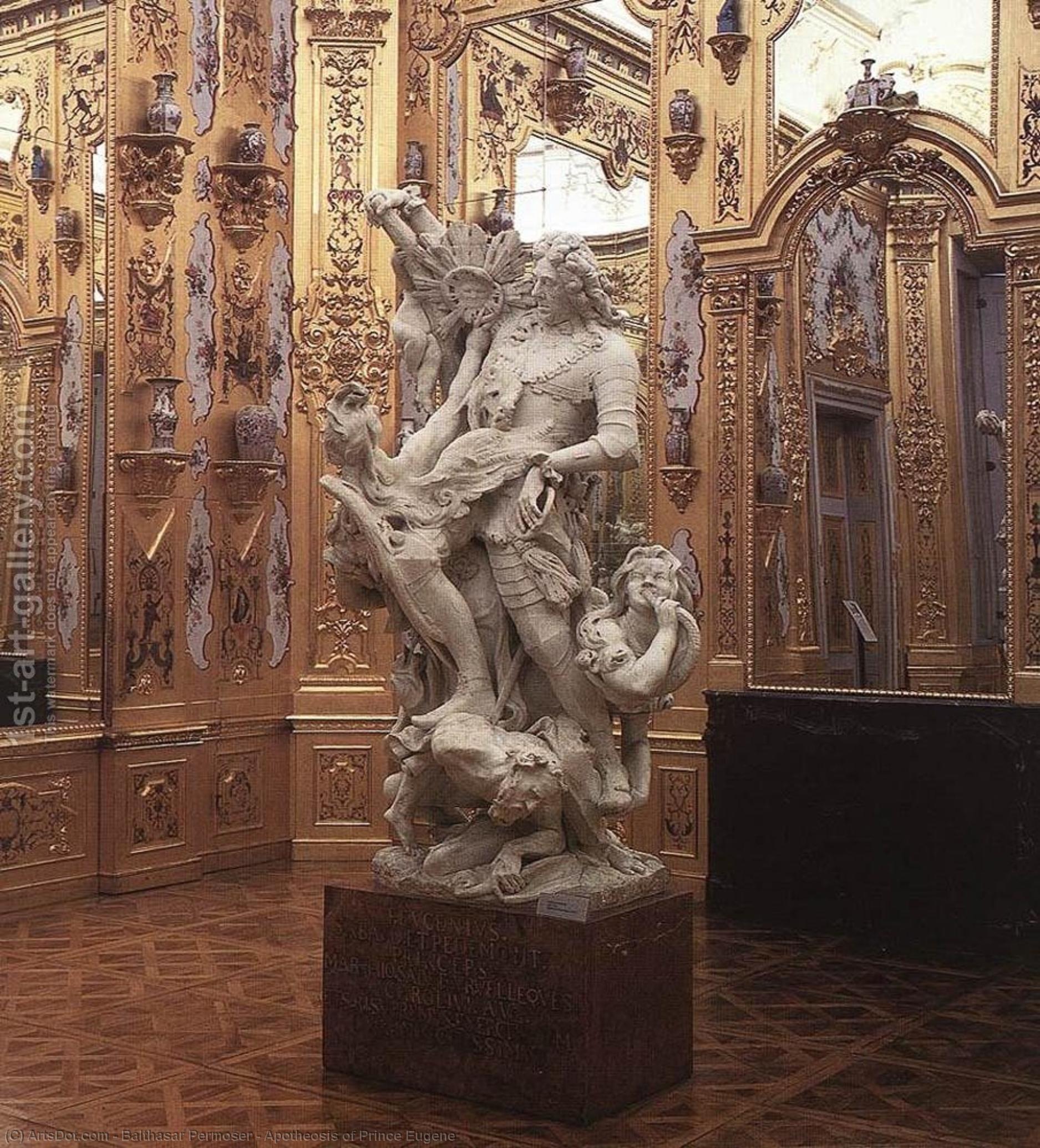
Apotheosis of Prince Eugene


 Read More
Purchase a high-resolution, enhanced digital image, far superior to the online preview.
Each file is meticulously prepared by our in-house specialists using advanced tools and expert manual retouching. We ensure every image has exceptional clarity, precise color accuracy, and fine detail.
The final file is delivered via email within 72 hours, optimized for immediate use in professional, editorial, and print environments. This is the same quality trusted by top-tier design studios, publishers, and galleries.
Digital Image
Download a high-resolution file for personal display, printing, and creative projects. ( Buy Print Buy Hand Made Painting)
Included in Every Digital Image Order
Expert Digital Delivery, Guaranteed
When you choose ArtsDot.com, you're not just getting an image - you're receiving a professionally enhanced digital artwork, crafted with precision and backed by a satisfaction guarantee. Here's everything that comes with your order, automatically:

Fast Email Delivery
Your high-resolution digital image file will be emailed to you within 72 hours of ordering - ready for immediate use.

AI-Enhanced Digital File
Your artwork is professionally optimized using advanced AI tools and manual editing, ensuring maximum detail, clarity, and color accuracy.

Free Lifetime Re-Delivery
Accidentally deleted or lost your file? No worries - we'll resend it to you anytime, free of charge.

No Import Fees - Ever
Enjoy your artwork instantly with zero customs, duties, or delivery fees - digital downloads are always tax-free.

Color Accuracy Guarantee
We ensure your digital image reflects the original colors as closely as possible using professional tools and color management.

60-Day Satisfaction Guarantee
If you're not satisfied with your digital image, we'll revise it or refund 100% within 60 days - no questions asked.

100% Money-Back Guarantee
Not satisfied? Get a full refund within 60 days of receiving your digital file - no questions asked.

Bulk Order Discounts
Buy 3 images, save 10% - Buy 5, save 15% - Buy 10+, save 20%. Great for creative projects, galleries, and agencies.
Collectible Description
A Testament to Baroque Grandeur: The Apotheosis of Prince Eugene
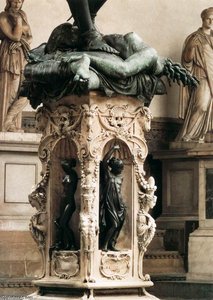
The Apotheosis of Prince Eugène, sculpted by Balthasar Permoser in 1718, stands as a monumental achievement of Baroque art—a breathtaking marble testament to imperial ambition and artistic mastery. Located within the Österreichische Galerie in Vienna, Austria, this sculpture transcends mere representation; it embodies the spirit of its era and continues to captivate viewers with its intricate detail and profound symbolism. Permoser’s work isn't simply a depiction of a historical figure; it’s an elaborate allegory designed to elevate Prince Eugène—a military commander who secured victory at Vienna in 1683—to divine status, cementing his legacy as one of Europe’s most influential rulers.Style and Technique: Embracing Dramatic Illusion
Permoser's approach exemplifies the Baroque style’s obsession with theatricality and illusionism. The sculpture utilizes a masterful combination of techniques to achieve an astonishing level of realism while simultaneously conveying spiritual grandeur. Marble, chosen for its durability and ability to capture subtle tonal variations, was painstakingly carved by skilled artisans—a laborious process that demanded unwavering precision. Permoser employed meticulous modeling and polishing to create surfaces that shimmer with reflected light, mimicking the luminosity of celestial realms. Furthermore, the sculptor skillfully incorporated drapery and textures to imbue the figures with palpable physicality, countering the idealized forms prevalent in earlier Renaissance art. The dramatic poses and dynamic compositions—particularly Eugène’s seated posture atop a throne-like pedestal—are hallmarks of Baroque sculpture's desire to evoke emotion and inspire awe.Historical Context: Vienna’s Triumph and Artistic Patronage
The Apotheosis reflects the fervent religious fervor that characterized 18th-century Austria under Emperor Karl VI. Following the devastating Siege of Vienna in 1683, where Christendom rallied against Ottoman aggression—a victory largely attributed to Eugène's leadership—the sculpture served as a powerful visual affirmation of Habsburg dominion and papal piety. Such monumental commissions were commonplace during this period, fueled by royal patronage and a belief that art could serve as a conduit for divine grace. Permoser’s work aligns perfectly with the Baroque aesthetic’s preoccupation with portraying saints and monarchs in heroic postures—a deliberate strategy to communicate power and righteousness.Symbolism: Angels, Glory, and Divine Ascension
Beyond its impressive physicality, The Apotheosis is laden with symbolic significance. Surrounding Eugène are figures representing angels bearing trumpets and scrolls—symbols of divine proclamation and enlightenment—underscoring the prince’s elevation to godhood. The throne itself symbolizes royal authority and dominion, while the drapery evokes biblical imagery associated with royalty and majesty. Permoser's careful consideration of visual cues reinforces the sculpture’s overarching message: Eugène’s triumph over adversity secures his place among the saints and elevates him to a transcendent spiritual realm.Emotional Impact: Inspiring Reverence and Wonder
The Apotheosis continues to resonate with audiences today due to its ability to evoke profound emotion—a palpable sense of reverence and wonder. The sculpture's monumental scale commands attention, prompting contemplation on themes of power, faith, and immortality. Its luminous marble surface captures the light beautifully, creating an ethereal atmosphere that transports viewers back to Baroque Vienna. More than just a depiction of a historical event, it’s an enduring emblem of artistic ambition and spiritual aspiration—a masterpiece destined to inspire admiration for generations to come.Related Artworks
Artist Biography
Cornelis de Vos: A Flemish Master of Domestic Portraiture
Cornelis de Vos, born around 1584 in Hulst, a small town near Antwerp in what is now the Netherlands, and tragically dying on May 9th, 1651, remains a quietly significant figure in the history of Northern Renaissance art. While he never achieved the widespread fame of his contemporaries like Rubens or Van Dyck, de Vos carved out a unique and deeply personal niche for himself through his exquisite portraits, particularly those depicting children and families within their domestic settings. His work offers a rare glimpse into the lives of ordinary Flemish citizens during a period of immense artistic and social change. De Vos’s early life remains somewhat shrouded in mystery. Records suggest he was born into a family that moved to Antwerp, where he received his initial training under the relatively obscure painter David Remeeus. This formative period laid the groundwork for de Vos's meticulous attention to detail and his ability to capture subtle nuances of expression – skills he would later hone into a distinctive style. He joined the Guild of Saint Luke in 1608, marking his full entry into the professional art world, and quickly established himself as an active portraitist, specializing in capturing the likenesses of wealthy merchants and their families. His success wasn’t driven by grand historical narratives or dramatic religious scenes; instead, he found his strength in portraying the everyday realities of family life – a deliberate choice that set him apart from many of his contemporaries.A Collaborative Spirit: Working Alongside Rubens
De Vos's career was inextricably linked to that of Peter Paul Rubens, one of the most celebrated artists of the Baroque era. Rubens frequently commissioned de Vos to paint portraits of his own family and associates, and the two artists maintained a close professional relationship for many years. This collaboration proved mutually beneficial; Rubens gained access to a skilled portraitist capable of capturing the likenesses of his patrons with remarkable accuracy, while de Vos benefited from the prestige associated with working alongside such a renowned master. Notably, de Vos’s self-portrait, “The Artist with His Family” (1621), now housed in the Royal Museum of Fine Arts Antwerp, is a testament to this partnership – a carefully constructed image that subtly acknowledges Rubens's influence while simultaneously asserting de Vos’s own artistic identity. The painting showcases not only de Vos himself but also his children, presenting a harmonious and idealized vision of family life, reflecting the values prized by the Flemish elite.Style and Technique: Domestic Realism
De Vos's style is characterized by its remarkable realism and psychological depth. He eschewed the theatrical grandeur often associated with portraiture in favor of a more intimate and understated approach. His subjects are typically depicted in familiar domestic settings – within their homes, engaged in everyday activities such as reading, playing musical instruments, or interacting with family members. He paid meticulous attention to detail, capturing not only the physical appearance of his sitters but also their individual personalities and emotions. This is particularly evident in his portraits of children, which are renowned for their sensitivity and charm. De Vos’s use of light and shadow creates a sense of depth and atmosphere, while his brushwork is remarkably smooth and refined. He was influenced by the Flemish tradition of *tenebrism*, employing dramatic contrasts between light and dark to heighten the emotional impact of his paintings.Beyond Portraits: Religious and Historical Works
While de Vos is best known for his portraits, he also produced a significant body of work in other genres, including religious scenes, mythological subjects, and historical compositions. His religious paintings are characterized by their calm piety and realistic depiction of biblical figures. His mythological works, while less frequently exhibited, demonstrate his technical skill and artistic versatility. He was commissioned to create history paintings, often depicting scenes from classical antiquity or contemporary events, showcasing his ability to render complex narratives with clarity and precision.Legacy and Significance
Cornelis de Vos’s legacy is one of quiet distinction. He may not have achieved the same level of fame as Rubens or Van Dyck, but his portraits of children and families offer a unique and invaluable window into the lives of ordinary Flemish citizens during the 17th century. His ability to capture the essence of human personality within intimate domestic settings has earned him a place among the most admired portraitists of the Northern Renaissance. His work continues to be studied and appreciated for its technical skill, psychological depth, and enduring charm. The Art UK website highlights his importance as an artist who captured the spirit of his time, demonstrating a remarkable sensitivity to the nuances of human experience. His paintings serve as a poignant reminder that even in the grand narratives of art history, it is often the quiet voices – those depicting everyday life – that resonate most profoundly with viewers today.
balthasar permoser
1651 - 1732 , Austria
Quick Facts
- Artistic Movement Or Style: Portraiture, History, Genre
- Artists Or Movements Influenced By This Artist: ['Van Dyck']
- Artists Who Influenced This Artist: ['Rubens']
- Date Of Birth: c.1584
- Date Of Death: 1651
- Full Name: Cornelis de Vos
- Nationality: Flemish
- Notable Artworks:
- Self-portrait with family
- Portraits of children
- Place Of Birth: Hulst, Netherlands

