 Preview
 Send
Send Share
Share
 Details

 Download
 Similars
 X-Ray
X-Ray Diaporama
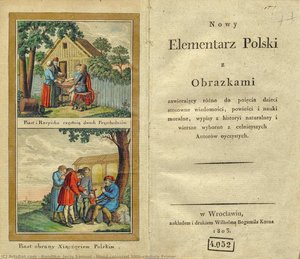
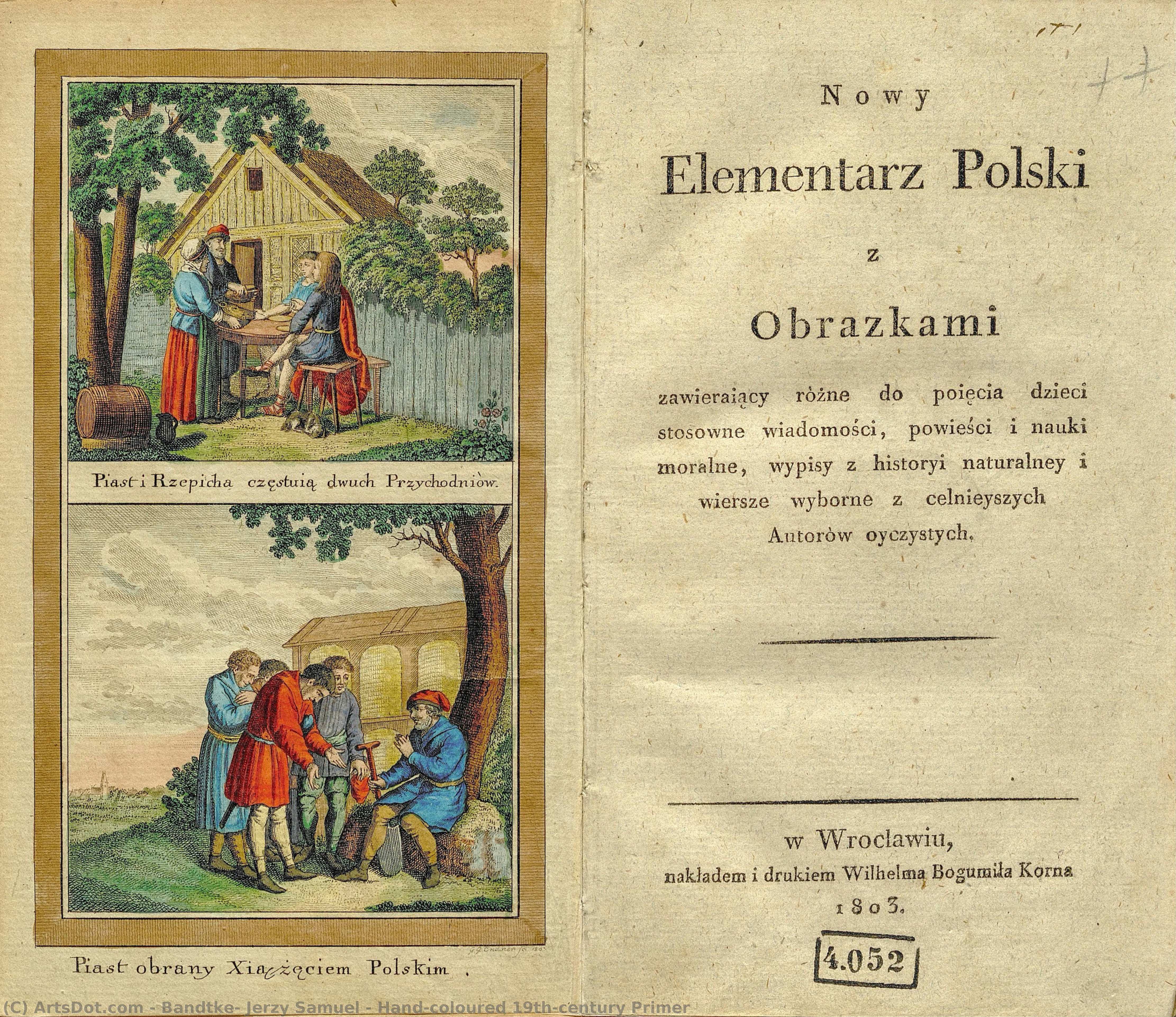
Hand-coloured 19th-century Primer


 Read More
Hand Made Oil Reproduction
Hand-painted oil on canvas in your size and frame, made to order by our artists. ( Buy Print Buy Image)




P118B $10

P118H $10

P118W $10

P438Z $10

P508JH $12

P508YH $12

P805H $10

P805Z $10

P919BZ $10

P919G $10

P919XJ $10

P959ZH $10

P968JZ $12

W106C $8

W218G $10

W218JH $8

W218Y $10

W307PJ $10

W316G $10

W316PJ $8

W316Y $10

W398PJ $8

W4111J $10

W500HY $15

W500JH $15

W692G $12

W849H $8

W940BG $15

W953PJ $8




Pick from our preset sizes that match the artwork's original proportions.

You may enter your own dimensions to fit a specific frame or space. If your selected size does not match the original image's proportions, we will either crop the artwork or extend the painting with additional hand-painted elements. A digital mockup will be sent for your approval before production begins.
Please note that the on-screen preview does not reflect the actual cropping or extension. Only the mockup will accurately show the final composition.
While custom sizes are available, we recommend selecting a dimension from the predefined list to preserve the original proportions.
After order, ArtsDot.com team will email client for instructions and provide a mockup preview
Worldwide Delivery () in 3/4 weeks instead of standard 5 weeks. (17 August). No compromise on quality.

Free Worldwide Express Shipping

High-Quality Linen Canvas

Full Shipping Insurance

Customs Tax Refund Guarantee

True Color Matching Guarantee

60-Day Return Policy (Defects Only)

100% Money-Back Guarantee

Bulk Discount Offer
 Glass option is only available in size under 110 CM

Hand-coloured 19th-century Primer
Reproduction Medium
Reproduction Size
-


Total Price
$ 263
Artwork Description
A Window into the Past: The Charm of the Hand-Coloured Primer
In the quiet corners of history, certain artifacts possess the unique ability to transport us to an era of profound simplicity and scholarly devotion. The Hand-coloured 19th-century Primer is one such treasure, a piece that breathes life into the pedagogical traditions of 1803. At first glance, the viewer is drawn into a pastoral tableau where a man, dressed in the striking contrast of a deep blue shirt and vibrant red pants, stands as a sentinel of knowledge beside a sturdy tree. This figure, clutching what appears to be a book or a precious manuscript, serves as the emotional anchor of the composition. The scene is not one of solitude, but of community; subtle figures populate the background, their presence suggesting a shared moment of learning or a communal gathering under the open sky. A horse lingers in the distance, adding a touch of rustic authenticity that grounds the painting in the agrarian reality of the early nineteenth century.
The technique employed in this work is nothing short of enchanting, blending the structural integrity of classical painting with the delicate, artisanal touch of hand-colouring. This specific method lends the piece an antique, almost ethereal glow, as if the pigments were applied by a hand seeking to heighten the natural vibrancy of the scene. The interplay between the soft, painterly strokes and the deliberate application of colour creates a texture that feels both aged and remarkably vivid. For the discerning collector or interior designer, this duality offers immense versatility; the piece possesses the historical weight required for a formal study, yet its colourful accents allow it to pop with life against a contemporary, minimalist backdrop.
The Legacy of Jerzy Samuel Bandtke
To understand the soul of this artwork, one must look toward the intellectual lineage of its creator, Jerzy Samuel Bandtke. While history often remembers Bandtke as a titan of Polish linguistics and a dedicated scholar at the prestigious Jagiability University, his artistic contributions reflect the same meticulous care he applied to his lexicography. His life, spanning the transformative years between 1768 and 1835, was defined by a pursuit of clarity and the preservation of culture. In this painting, we see that scholarly spirit manifest visually. The composition does not merely depict a scene; it documents a moment of literacy and instruction, mirroring Bandtke’s own lifelong commitment to the dissemination of knowledge.
The symbolism within the piece is subtle yet profound. The tree, often a symbol of growth, stability, and the roots of heritage, stands as a silent witness to the act of reading, suggesting that education is a natural, organic necessity for the flourishing of society. The vibrant red and blue hues are not merely aesthetic choices but serve to draw the eye to the central figures of instruction and learning. For those looking to adorn their homes with art that tells a story, this reproduction offers more than just decoration; it provides a conversation piece that invites contemplation on the enduring importance of education, history, and the beautiful, hand-crafted traditions of the past.
Related Artworks




Artist Biography
Jerzy Samuel Bandtke: A Pioneer of Polish Scholarship
Jerzy Samuel Bandtke (also spelled Bandtke; 1768–1835) stands as a pivotal, yet often overlooked, figure in the intellectual landscape of 19th-century Poland. Born into a family bridging German and Polish heritage in Lublin, his life’s trajectory exemplifies a dedication to knowledge that ultimately shaped the development of Polish linguistics, history, and bibliography. His journey, marked by academic pursuits across Europe and culminating in service at the prestigious Jagiellonian University in Kraków, reveals a man deeply committed to preserving and advancing Polish scholarship during a period of significant national transformation. Båndtke’s early years were steeped in education. He began his formal studies at the Gymnasium in Wrocław, laying the groundwork for a lifelong fascination with languages and learning. Following this initial training, he spent time studying theology at the University of Halle and then philology at the University of Jena – institutions renowned for their rigorous academic standards and international perspectives. These experiences exposed him to the latest developments in European scholarship while simultaneously nurturing his burgeoning passion for Polish culture and language. Crucially, these years instilled a deep appreciation for the importance of accessible knowledge, driving him back to Poland with a resolute purpose: to contribute meaningfully to its intellectual growth. His return to Poland saw Bandtke quickly establish himself as a respected educator and scholar. Initially serving as a tutor, he rose through the ranks at St. Elizabeth Gymnasium in Wrocław, eventually becoming a professor and rector. This period was marked by a dedication to nurturing young minds and fostering a love of learning within his students. However, it was his appointment as librarian and professor of bibliography at Jagiellonian University in 1811 that truly cemented his legacy. Recognizing the university’s vast but often disorganized collection, Bandtke embarked on a monumental undertaking – meticulously cataloging thousands of volumes, implementing new organizational systems, and significantly expanding the library's holdings through strategic acquisitions. This work wasn’t merely administrative; it was a testament to his belief in the power of accessible knowledge and its vital role in national development. Bandtke’s contributions extended far beyond the confines of the university library. He was a prolific author, producing influential dictionaries and grammars that served as invaluable resources for both Polish speakers and those seeking to learn the language. His “New Pocket Polish-German-French Dictionary” (1805), “Explanatory Dictionary of Polish and German” (1806), and “Polish Grammar for Germans” (1808) were particularly significant, bridging linguistic divides and facilitating communication between diverse communities. Furthermore, he demonstrated a keen interest in history, culminating in his comprehensive “History of the Polish Nation” (1820), a work that sought to provide a nuanced and scholarly account of Poland’s past. His collaborative efforts with Ambroży Grabowski on informative guidebooks for Kraków further showcased his commitment to promoting Polish culture and heritage. Bandtke's intellectual pursuits were not confined solely to linguistics and history. He was also deeply involved in numismatics, delivering the first lecture on the subject in Poland during the 1814-15 academic year. He served as a senator for Jagiellonian University in Kraków’s Sejm (parliament) from 1820, demonstrating his commitment to civic engagement and national reform. His dedication extended beyond formal roles; he was an active member of the Warsaw Society of Friends of Learning and the Kraków Scientific Society, contributing to a vibrant intellectual community dedicated to advancing knowledge across various disciplines. Despite suffering a paralytic stroke in 1835, Bandtke continued his scholarly work until his death, leaving behind a rich legacy of scholarship that continues to be appreciated today. His life’s work stands as a powerful reminder of the enduring importance of linguistic and historical research in shaping national identity and fostering intellectual progress.Key Works
- New Pocket Polish-German-French Dictionary (1805): A foundational resource for cross-linguistic communication.
- Explanatory Dictionary of Polish and German (1806): Providing a detailed comparative analysis of the two languages.
- Polish Grammar for Germans (1808): Designed to facilitate language acquisition for those seeking to learn Polish.
- History of the Polish Nation (1820): A significant historical account contributing to a deeper understanding of Poland’s past.
Legacy and Historical Significance
Bandtke's impact on Polish scholarship is profound. He played a crucial role in modernizing the Jagiellonian University library, transforming it into a center of learning and research. His dictionaries and grammars were instrumental in promoting literacy and facilitating communication within Poland and beyond. Moreover, his work helped to establish a more systematic approach to historical research, contributing to a greater appreciation for Poland’s rich cultural heritage. While often overshadowed by more prominent figures, Jerzy Samuel Bandtke deserves recognition as a key architect of Polish intellectual life during the 19th century – a dedicated scholar whose contributions continue to resonate today.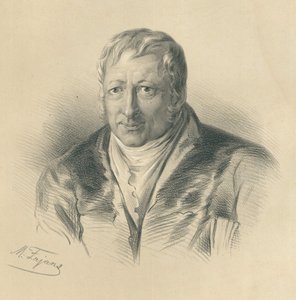
bandtke, jerzy samuel
1768 - 1835 , Poland
Quick Facts
- Artistic Movement Or Style: Linguist, historian
- Artists Or Movements Influenced By This Artist: ['German Linguistics']
- Artists Who Influenced This Artist: ['']
- Date Of Birth: November 24, 1768
- Date Of Death: June 11, 1835
- Full Name: Jerzy Samuel Bandtke
- Nationality: Polish
- Notable Artworks:
- New Pocket Polish-German-French Dictionary
- Explanatory Dictionary
- Polish Grammar for Germans
- History of the Polish Nation
- Place Of Birth: Lublin, Poland
Related Articles

Slate Blue Masterpieces: 10 Iconic Paintings & Timeless Home Decor Ideas
Immerse yourself in the captivating world of slate blue! Explore 10 iconic paintings by Monet, Van Gogh & Renoir. Discover their stories, techniques & find museum-quality art reproductions for your home at .
The Allure of Azure: Exploring the Symbolic & Aesthetic Depths of Blue in Art History
Explore the rich history of blue in art! Discover its symbolism, from ancient pigments to modern masterpieces by Kandinsky & Seurat. Uncover the psychological impact and cultural meanings behind this captivating hue.

Crimson Threads of Narrative: Exploring Symbolism & Representation in Artworks Featuring the Red Dress
Explore the rich symbolism of the red dress in art history! From ancient power displays to iconic portraits like Cézanne’s 'Madame Cezanne', discover the cultural and artistic significance behind this captivating color. Expert analysis & insights.
Azure Visions: Exploring Representations of the Blue Dress in Western Art History
Explore the rich history of the blue dress in Western art! Discover its symbolism, from Renaissance masterpieces to modern interpretations by artists like Martin & Schiele. Uncover cultural meanings and artistic techniques.

Henri Matisse's Masterpieces: Explore 25 Iconic Paintings & Art Decor Ideas
Journey through Henri Matisse's 25 most iconic paintings! Explore Fauvism, vibrant colors & the stories behind masterpieces like 'The Dance'. Find museum-quality art reproductions and curated decor ideas to elevate your space. Discover all masterpieces on ArtsDot.com.