

 Preview
 Send
Send Share
Share
 Details

 Download
 Similars
 X-Ray
X-Ray Diaporama
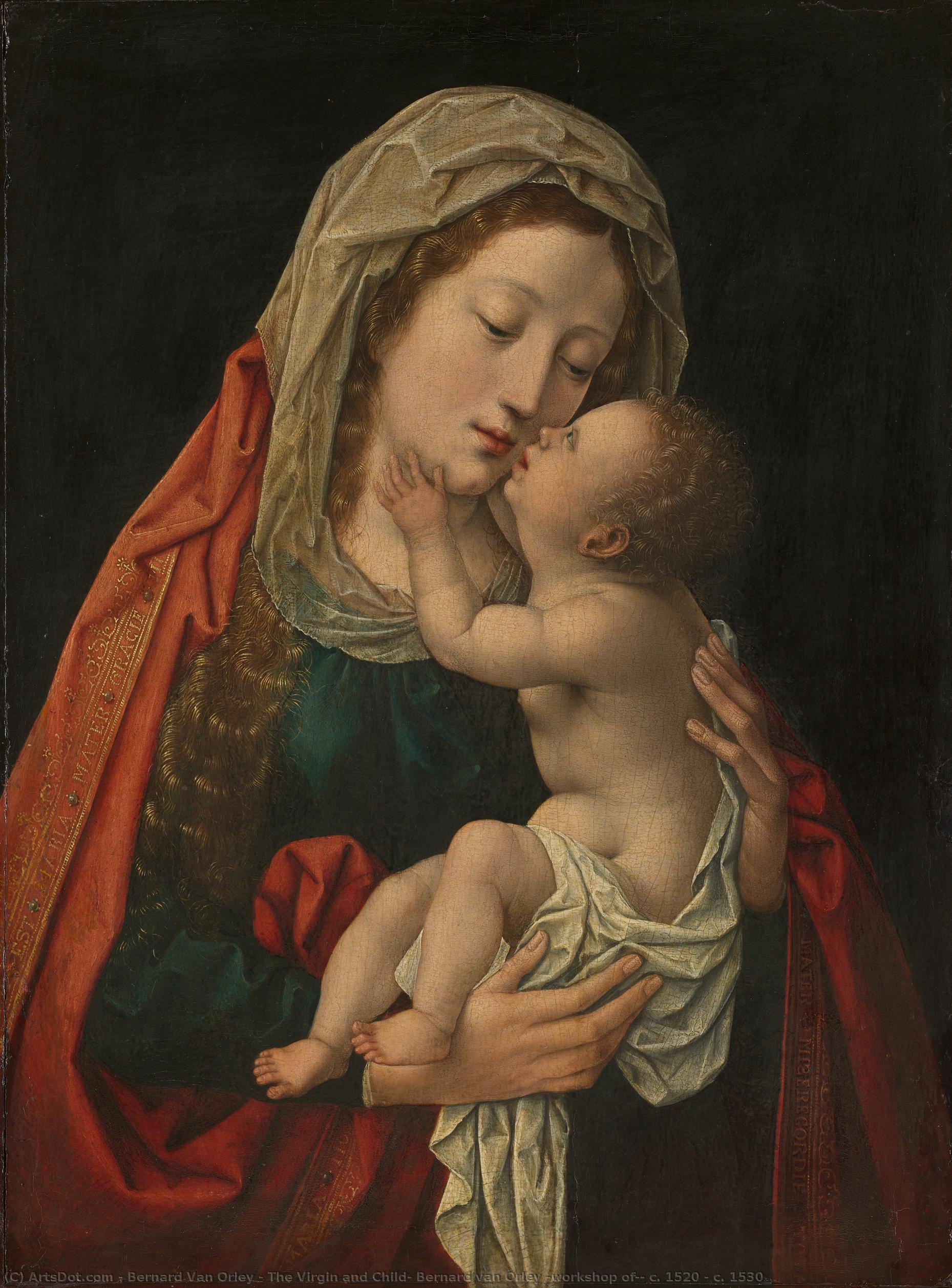
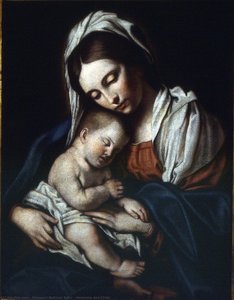
The Virgin and Child, Bernard van Orley (workshop of), c. 1520 - c. 1530
 1530
1530 37.0 x 28.0 cm
 Read More
Purchase a high-resolution, enhanced digital image, far superior to the online preview.
Each file is meticulously prepared by our in-house specialists using advanced tools and expert manual retouching. We ensure every image has exceptional clarity, precise color accuracy, and fine detail.
The final file is delivered via email within 72 hours, optimized for immediate use in professional, editorial, and print environments. This is the same quality trusted by top-tier design studios, publishers, and galleries.
Digital Image
Download a high-resolution file for personal display, printing, and creative projects. ( Buy Print Buy Hand Made Painting)
Included in Every Digital Image Order
Expert Digital Delivery, Guaranteed
When you choose ArtsDot.com, you're not just getting an image - you're receiving a professionally enhanced digital artwork, crafted with precision and backed by a satisfaction guarantee. Here's everything that comes with your order, automatically:

Fast Email Delivery
Your high-resolution digital image file will be emailed to you within 72 hours of ordering - ready for immediate use.

AI-Enhanced Digital File
Your artwork is professionally optimized using advanced AI tools and manual editing, ensuring maximum detail, clarity, and color accuracy.

Free Lifetime Re-Delivery
Accidentally deleted or lost your file? No worries - we'll resend it to you anytime, free of charge.

No Import Fees - Ever
Enjoy your artwork instantly with zero customs, duties, or delivery fees - digital downloads are always tax-free.

Color Accuracy Guarantee
We ensure your digital image reflects the original colors as closely as possible using professional tools and color management.

60-Day Satisfaction Guarantee
If you're not satisfied with your digital image, we'll revise it or refund 100% within 60 days - no questions asked.

100% Money-Back Guarantee
Not satisfied? Get a full refund within 60 days of receiving your digital file - no questions asked.

Bulk Order Discounts
Buy 3 images, save 10% - Buy 5, save 15% - Buy 10+, save 20%. Great for creative projects, galleries, and agencies.
Collectible Description
Related Artworks






Artist Biography
The Renaissance Soul of Brussels
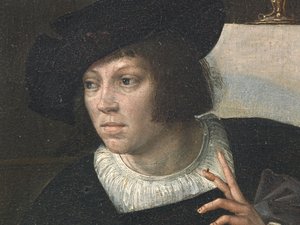
In the heart of a burgeoning Brussels, where the scent of damp wool and the rhythmic clatter of looms defined the urban landscape, Barend van Orley emerged as a titan of the Flemish Renaissance. Born into an era of profound artistic transition, his very lineage was woven into the fabric of the arts; as the son of the esteemed tapestry designer Valentin van Orley, his childhood was likely an immersive education in the intricate textures and grand narratives required for the great tapestries of Europe. This early exposure to the meticulous craftsmanship of the Brussels workshops provided a foundation that would eventually allow him to transcend the boundaries of mere decoration, elevating the medium of tapestry to a level of painterly sophistication previously unseen in the Low Countries.
A Synthesis of Northern Realism and Italian Grace
While many of his contemporaries embarked on arduous pilgrimages to the sun-drenched studios of Italy, van Orley achieved a remarkable feat of artistic osmosis, absorbing the revolutionary aesthetics of Raphael’s Rome from afar. He became a leading figure of the Romanist movement, a stylistic bridge that married the unflinching, microscopic realism characteristic of the Netherlandish tradition with the idealized proportions and classical grandeur of the Italian Renaissance. In his hands, the heavy, tactile world of Flemish painting—where every fold of velvet and glint of gold could be felt through the gaze—met the harmonious compositions and balanced grace of the South. This synthesis created a visual language that was both intimately familiar to Northern patrons and breathlessly modern, characterized by a profound command over light, shadow, and the human form.
A Legacy Woven in Paint and Thread
Van Orley’s genius lay in his extraordinary versatility, an ability to command the brush, the loom, and the stained-glass window with equal mastery. His oeuvre is a testament to a creator who saw no distinction between the monumental scale of a tapestry design and the delicate intimacy of a religious oil painting. Whether depicting the profound gravity of the Last Judgement or the tender grace of a Virgin and Child, his work consistently radiated a sense of divine order and earthly beauty. Beyond his individual masterpieces, his historical significance is cemented by his role as a pivotal link in the evolution of Northern art, ensuring that the traditions of his ancestors were not merely preserved but transformed for a new age. Through his prolific output and the continuation of his family’s artistic lineage, Barend van Orley left an indelible mark on the cultural identity of the Flemish Renaissance, leaving behind a legacy as enduring as the very tapestries he helped to define.
Quick Facts
- Artistic Movement Or Style: Italianizing Flemish Renaissance
- Artists Or Movements Influenced By This Artist: ['Romanists']
- Artists Who Influenced This Artist: ['Raphael']
- Date Of Birth: c.1487
- Date Of Death: January 6, 1541
- Full Name: Bernard van Orley
- Nationality: Flemish
- Notable Artworks:
- The Haneton Triptych
- Portrait of Margareta van Oostenrijk
- Altarpiece of Calvary
- Place Of Birth: Brussels, Belgium

