

 Preview
 Send
Send Share
Share
 Details

 Download
 Similars
 X-Ray
X-Ray Diaporama
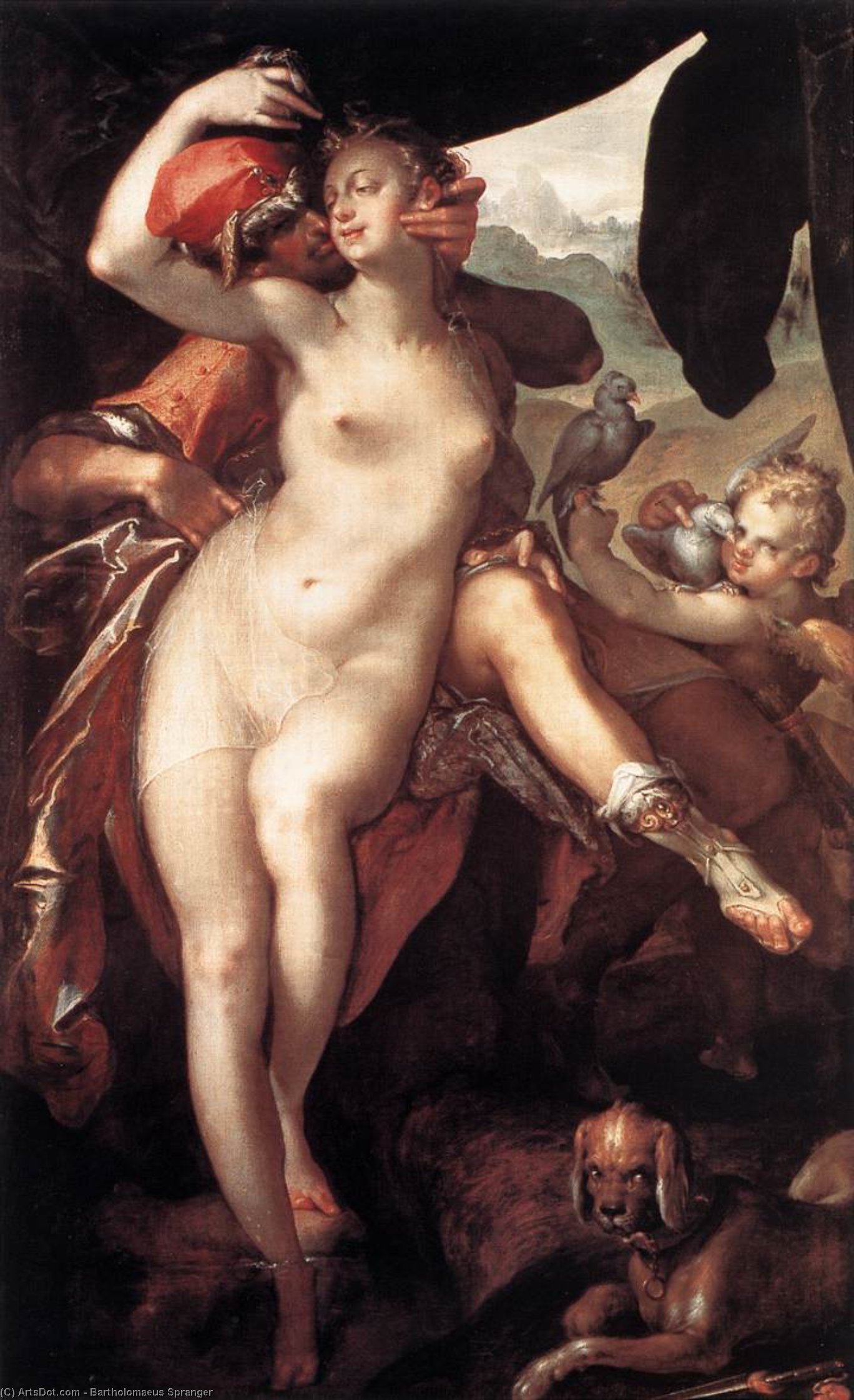
Venus and Adonis
 Oil On Canvas
- WallArt
- Mannerist art
 1597
1597- Early Modern
 163.0 x 104.0 cm
 Kunsthistorisches Museum
 Read More
Purchase a high-resolution, enhanced digital image, far superior to the online preview.
Each file is meticulously prepared by our in-house specialists using advanced tools and expert manual retouching. We ensure every image has exceptional clarity, precise color accuracy, and fine detail.
The final file is delivered via email within 72 hours, optimized for immediate use in professional, editorial, and print environments. This is the same quality trusted by top-tier design studios, publishers, and galleries.
Digital Image
Download a high-resolution file for personal display, printing, and creative projects. ( Buy Print Buy Hand Made Painting)
Included in Every Digital Image Order
Expert Digital Delivery, Guaranteed
When you choose ArtsDot.com, you're not just getting an image - you're receiving a professionally enhanced digital artwork, crafted with precision and backed by a satisfaction guarantee. Here's everything that comes with your order, automatically:

Fast Email Delivery
Your high-resolution digital image file will be emailed to you within 72 hours of ordering - ready for immediate use.

AI-Enhanced Digital File
Your artwork is professionally optimized using advanced AI tools and manual editing, ensuring maximum detail, clarity, and color accuracy.

Free Lifetime Re-Delivery
Accidentally deleted or lost your file? No worries - we'll resend it to you anytime, free of charge.

No Import Fees - Ever
Enjoy your artwork instantly with zero customs, duties, or delivery fees - digital downloads are always tax-free.

Color Accuracy Guarantee
We ensure your digital image reflects the original colors as closely as possible using professional tools and color management.

60-Day Satisfaction Guarantee
If you're not satisfied with your digital image, we'll revise it or refund 100% within 60 days - no questions asked.

100% Money-Back Guarantee
Not satisfied? Get a full refund within 60 days of receiving your digital file - no questions asked.

Bulk Order Discounts
Buy 3 images, save 10% - Buy 5, save 15% - Buy 10+, save 20%. Great for creative projects, galleries, and agencies.
Collectible Description
The Allure of Myth in Mannerist Splendor
To gaze upon Bartholomaeus Spranger's "Venus and Adonis" is to step directly into the opulent, emotionally charged atmosphere of late sixteenth-century art. This masterpiece, painted in 1597, transcends a mere depiction of classical mythology; it captures a moment suspended between divine passion and mortal fragility. The narrative centers on Venus, the radiant goddess of love, whose beauty is rendered with an almost breathtaking sensuality. Beside her stands Adonis, the youthful figure captivated by her presence. Spranger masterfully orchestrates this encounter, inviting the viewer into a private drama steeped in desire and fleeting adoration.
A Study in Mannerist Grace and Form
The painting serves as a quintessential example of Mannerism—an artistic period defined not by naturalistic calm, but by heightened emotion, elongated forms, and dramatic elegance. Observe the figures: their proportions are subtly stretched, lending them an ethereal, almost otherworldly grace characteristic of the style. This is further enhanced by Spranger's expert handling of light and shadow, or chiaroscuro. The interplay between illuminated skin and deep, velvety shadows lends incredible depth to the canvas, making the figures seem to emerge from the very darkness surrounding them. It is a technical triumph that elevates the scene beyond simple portraiture.
Symbolism Woven into Silk and Skin
Every element within "Venus and Adonis" seems imbued with symbolic weight. Venus herself, adorned with delicate jewelry and draped in rich fabrics, embodies idealized beauty. The vibrant splash of red—seen both in her covering cloth and Adonis's robe—acts as a powerful visual anchor, drawing the eye and suggesting passion or perhaps even impending sacrifice. Meanwhile, Adonis holding up the mirror to Venus’s face introduces an element of self-consciousness; is it vanity, or merely a desire to capture her gaze? The inclusion of playful cherubs in the background adds a layer of innocent joy, contrasting beautifully with the intense emotional undercurrent between the main figures.
Bringing Renaissance Drama Home
For those who wish to incorporate this breathtaking drama into your own living space or collection, reproductions of this work offer an unparalleled opportunity. Owning a piece inspired by Spranger’s vision means bringing home not just paint on canvas, but a tangible echo of Mannerist sophistication. Whether you are curating a gallery wall that speaks of historical depth or designing an interior that demands artistic drama, the rich tonality and dynamic energy of "Venus and Adonis" provide instant focal power. It is art designed to be contemplated, admired for its technical brilliance, and felt for its enduring romanticism.
Related Artworks
Artist Biography
Bartholomaeus Spranger: A Master of Sensuality and Northern Mannerism
Bartholomäus Spranger (1546-1611), a name often whispered in the halls of art history, remains a figure of captivating complexity. Born into a trading family in Antwerp, he wasn’t destined for a life of artistic renown initially, yet his innate talent and relentless pursuit of aesthetic excellence propelled him to become one of the most influential artists of the late 16th and early 17th centuries – a master of Northern Mannerism, renowned particularly for his exquisitely rendered nudes and allegorical scenes. Spranger’s legacy isn't simply that of a painter; he was a sculptor, designer, and printmaker, leaving an indelible mark on the artistic landscape of Europe, primarily through the dissemination of his work via meticulously crafted engravings.
His early life offered little indication of the artistic path he would ultimately forge. Initially apprenticed to Jan Mandijn, followed by brief studies with Frans Mostaert and Cornelis van Dalem – masters largely focused on landscape painting – Spranger’s trajectory shifted dramatically when he traveled to Paris in 1565. This period exposed him to the burgeoning influence of Italian Mannerism, particularly the work of Francesco Primaticcio and Niccolò dell'Abate, shaping his understanding of composition, dynamism, and the expressive potential of line. Crucially, it was during this time that he began to develop a distinctive style – one characterized by elongated figures, subtly unsettling smiles, and a remarkable attention to texture and surface detail.
The Imperial Court of Rudolf II
Spranger’s artistic fortunes dramatically altered when he arrived in Prague in 1581, summoned by the Holy Roman Emperor Rudolf II. This appointment proved to be transformative, establishing Spranger as the court painter and a close confidante of the eccentric and intensely discerning ruler. Rudolf II, a passionate collector of art, science, and esoteric knowledge, fostered an environment where artistic experimentation flourished – and where Spranger’s unique brand of Mannerism found its most receptive audience. The emperor's patronage wasn’t merely financial; it was deeply personal, with the two men engaging in lengthy conversations about philosophy, alchemy, and the nature of beauty.
Spranger responded to Rudolf II’s aesthetic preferences by creating a vast body of work that reflected both the emperor’s interests and his own artistic vision. These paintings predominantly featured mythological nudes – often depicted from behind, lending them an air of enigmatic allure – arranged in complex, elegant poses. Alongside these sensual depictions were allegorical scenes, frequently incorporating elements of propaganda designed to glorify Rudolf II's reign. A prime example is *Allegory of the Virtues of Rudolf II*, a monumental work that seamlessly blends eroticism with political messaging, showcasing Bellona (the Roman goddess of war) surrounded by Venus, Amor, Athene and Baccus – emblems representing Hungary and the Croatian river Sava – all reinforcing the message of Rudolf’s secure rule. The emperor's influence extended beyond mere subject matter; he bestowed upon Spranger titles and privileges, solidifying his position as a leading artist in Europe.
A Synthesis of Styles
Spranger’s artistic style was remarkably complex, representing a synthesis of influences from the Netherlands, Italy, and France. He drew heavily on the Roman Mannerists – particularly Parmigianino – adopting their elongated figures, subtle distortions, and emphasis on elegant poses. However, he tempered this Italian influence with the dynamism and expressive quality characteristic of Netherlandish painting. His use of color was often restrained, favoring muted tones and a shimmering, brittle texture that contributed to the otherworldly atmosphere of his works. Furthermore, Spranger’s meticulous attention to detail – particularly in rendering fabrics and skin – set him apart from many of his contemporaries.
His work wasn't confined solely to large-scale paintings; he was also a prolific printmaker, producing hundreds of engravings that disseminated his images throughout Europe. Hendrik Goltzius, one of the most prominent engravers of the era, played a crucial role in popularizing Spranger’s style through his faithful reproductions. This ensured that his art reached a wider audience than would have been possible through direct commissions alone.
Legacy and Influence
Despite his considerable success during his lifetime, Bartholomaeus Spranger's artistic legacy remained somewhat obscured for centuries. However, in recent decades, scholars have increasingly recognized the significance of his work, acknowledging its innovative approach to depicting the human form and its profound influence on subsequent generations of artists. His emphasis on sensuality, combined with a masterful command of technique and composition, continues to resonate today. Spranger’s impact can be seen in the works of Dutch masters such as Rembrandt and Frans Hals, who were undoubtedly influenced by his elegant figures and dramatic lighting. He remains a testament to the power of patronage, artistic experimentation, and the enduring allure of beauty – a true master of Northern Mannerism whose legacy continues to captivate and inspire.
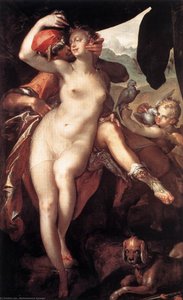
bartholomaeus spranger
1546 - 1611 , Belgium
Quick Facts
- Artistic Movement Or Style: Northern Mannerism
- Artists Or Movements Influenced By This Artist: ['Dutch Republic']
- Artists Who Influenced This Artist:
- Parmigianino
- Correggio
- Date Of Birth: March 21, 1546
- Date Of Death: June 27, 1611
- Full Name: Bartholomeus Spranger
- Nationality: Flemish
- Notable Artworks:
- Hermes and Athena
- Allegorie de la Justice
- Place Of Birth: Antwerp, Belgium

