 Preview
 Send
Send Share
Share
 Details

 Download
 Similars
 X-Ray
X-Ray Diaporama
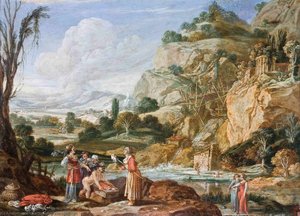
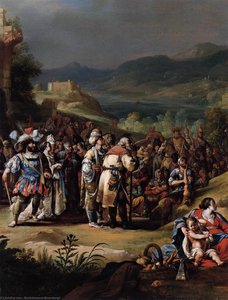
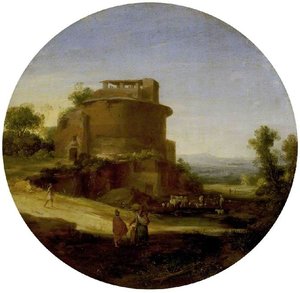
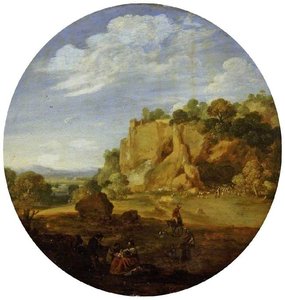
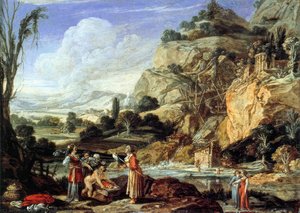
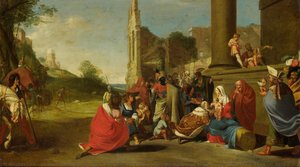
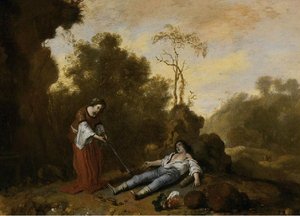
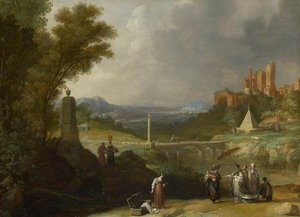
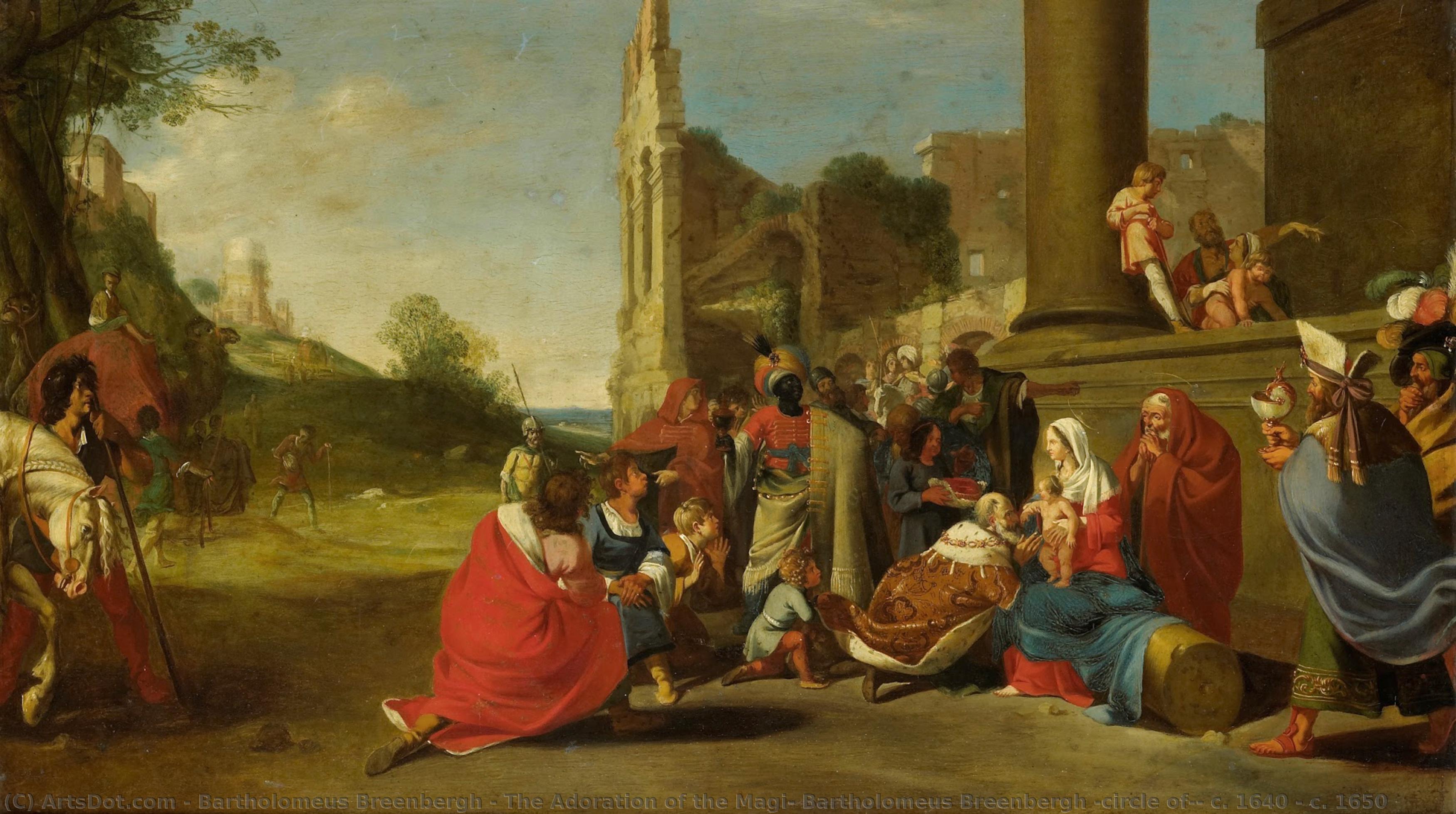
The Adoration of the Magi, Bartholomeus Breenbergh (circle of), c. 1640 - c. 1650
 1650
1650 28.0 x 49.0 cm
 Read More
Hand Made Oil Reproduction
Hand-painted oil on canvas in your size and frame, made to order by our artists. ( Buy Print Buy Image)




































Pick from our preset sizes that match the artwork's original proportions.

You may enter your own dimensions to fit a specific frame or space. If your selected size does not match the original image's proportions, we will either crop the artwork or extend the painting with additional hand-painted elements. A digital mockup will be sent for your approval before production begins.
Please note that the on-screen preview does not reflect the actual cropping or extension. Only the mockup will accurately show the final composition.
While custom sizes are available, we recommend selecting a dimension from the predefined list to preserve the original proportions.
After order, ArtsDot.com team will email client for instructions and provide a mockup preview
Worldwide Delivery () in 3/4 weeks instead of standard 5 weeks. (27 August). No compromise on quality.

Free Worldwide Express Shipping

High-Quality Linen Canvas

Full Shipping Insurance

Customs Tax Refund Guarantee

True Color Matching Guarantee

60-Day Return Policy (Defects Only)

100% Money-Back Guarantee

Bulk Discount Offer
 Glass option is only available in size under 110 CM

The Adoration of the Magi, Bartholomeus Breenbergh (circle of), c. 1640 - c. 1650
Reproduction Medium
Reproduction Size
-


Total Price
$ 263
Related Artworks
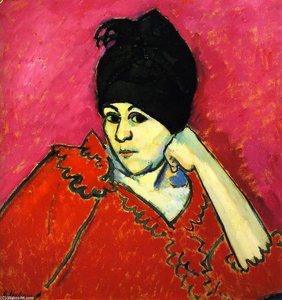
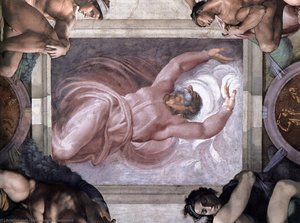


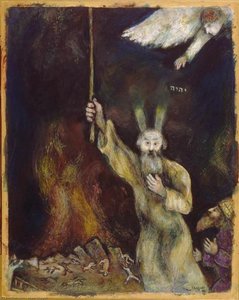
Artist Biography
Early Life and Formation
The story of Bartholomeus Breenbergh, a pivotal figure in the Dutch Golden Age, begins shrouded in some mystery. Born before November 13, 1598, likely in Deventer, Netherlands, his early years are sparsely documented. A significant shift occurred in young Breenbergh’s life with the passing of his father in 1607, prompting a family relocation to Hoorn. It was here, amidst the bustling port town, that he first encountered the world of art, becoming a contemporary of Jacques Waben and receiving initial training – though from one of the many lesser-known landscape painters active in Amsterdam during those years. Formal instruction followed under the tutelage of Pieter Lastman and Jacob Symonsz Pynas, laying the groundwork for his future artistic explorations. These early influences would subtly weave their way into his mature style, particularly Lastman’s dramatic narrative flair.Roman Sojourn and the Italianate Style
In 1619, Breenbergh embarked on a transformative journey to Rome, a city that would indelibly shape his artistic vision. For approximately eleven years, he immersed himself in the vibrant Roman art scene, collaborating with Flemish painter Frans van de Kasteele and falling under the spell of Paul Bril’s luminous landscapes. It was during this period that Breenbergh began developing his signature Italianate style – idealized depictions of the Roman Campagna, bathed in a warm, golden light. He keenly observed the classical ruins scattered across the countryside, incorporating them into compositions that evoked a sense of timeless beauty and melancholic grandeur. His work increasingly resonated with that of Cornelis van Poelenburgh, so much so that distinguishing between their paintings could prove challenging at times. Breenbergh’s embrace of this style wasn't merely aesthetic; it reflected a broader European fascination with classical antiquity and the allure of the Italian landscape. He became one of the founding members of the Bentvueghels, a society of Dutch and Flemish painters in Rome known for their boisterous camaraderie and often satirical nicknames – Breenbergh earned the moniker “het fret” (the ferret).Return to Amsterdam and Artistic Maturity
Around 1630, Breenbergh returned to Amsterdam, bringing with him the artistic sensibilities honed during his Roman years. He quickly established himself as a sought-after painter, marrying in 1633 and even securing an annual stipend from King Charles I of Britain – a testament to his growing reputation. However, his work began to evolve beyond pure landscape painting. Influenced by artists like Pieter Lastman once more, he started integrating mythological and biblical figures into his Italianate settings, creating scenes that were both visually captivating and rich in narrative depth. This fusion of northern European storytelling with southern European landscapes resulted in a monumental style characterized by expressive figure types and dramatic lighting effects. While Breenbergh accepted only one registered pupil, Jan de Bisschop, who studied with him during the 1640s, his influence extended to a wider circle of artists including Jan Linsen, Scipione Compagno, Laurens Barata, Charles Cornelisz. de Hooch and others.Legacy and Historical Significance
Bartholomeus Breenbergh’s contribution to Dutch Golden Age painting lies in his pioneering role in establishing the Italianate landscape style within the Northern European artistic tradition. He masterfully synthesized influences from Pieter Lastman, Nicolaes Moeyaert, Paul Bril, and Cornelis van Poelenburgh, forging a unique and recognizable artistic voice. His ability to seamlessly blend classical ruins, idealized landscapes, and compelling narratives captivated audiences and inspired subsequent generations of landscape painters. He bridged the gap between earlier Dutch masters and later, more refined practitioners like Claude Lorrain, paving the way for a new appreciation of Italianate scenery in Northern European art. Breenbergh’s work helped popularize depictions of classical antiquity and idealized landscapes, shaping the aesthetic preferences of his time and leaving an enduring mark on the history of landscape painting. His paintings continue to resonate today, offering viewers a glimpse into a world where myth, religion, and nature converge in harmonious beauty.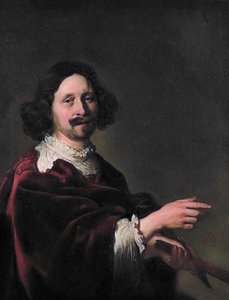
Bartholomeus Breenbergh
1598 - 1657 , Netherlands
Quick Facts
- Artistic Movement Or Style: Italianate landscape
- Artists Or Movements Influenced By This Artist:
- Jan Linsen
- Claude Lorrain
- Artists Who Influenced This Artist:
- Pieter Lastman
- Paul Bril
- Cornelis van Poelenburgh
- Date Of Birth: Before Nov 13, 1598
- Date Of Death: After Oct 3, 1657
- Full Name: Bartholomeus Breenbergh
- Nationality: Dutch
- Notable Artworks:
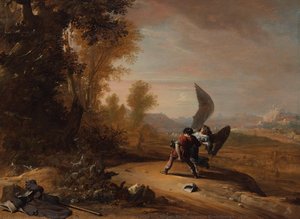
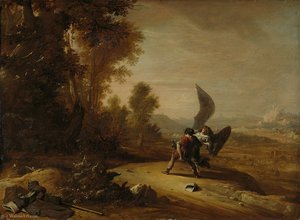
- Jacob Wrestling with the Angel
- The Adoration of the Magi
- The Preaching of St John
- Place Of Birth: Deventer, Netherlands