

 Preview
 Send
Send Share
Share
 Details

 Download
 Similars
 X-Ray
X-Ray Diaporama
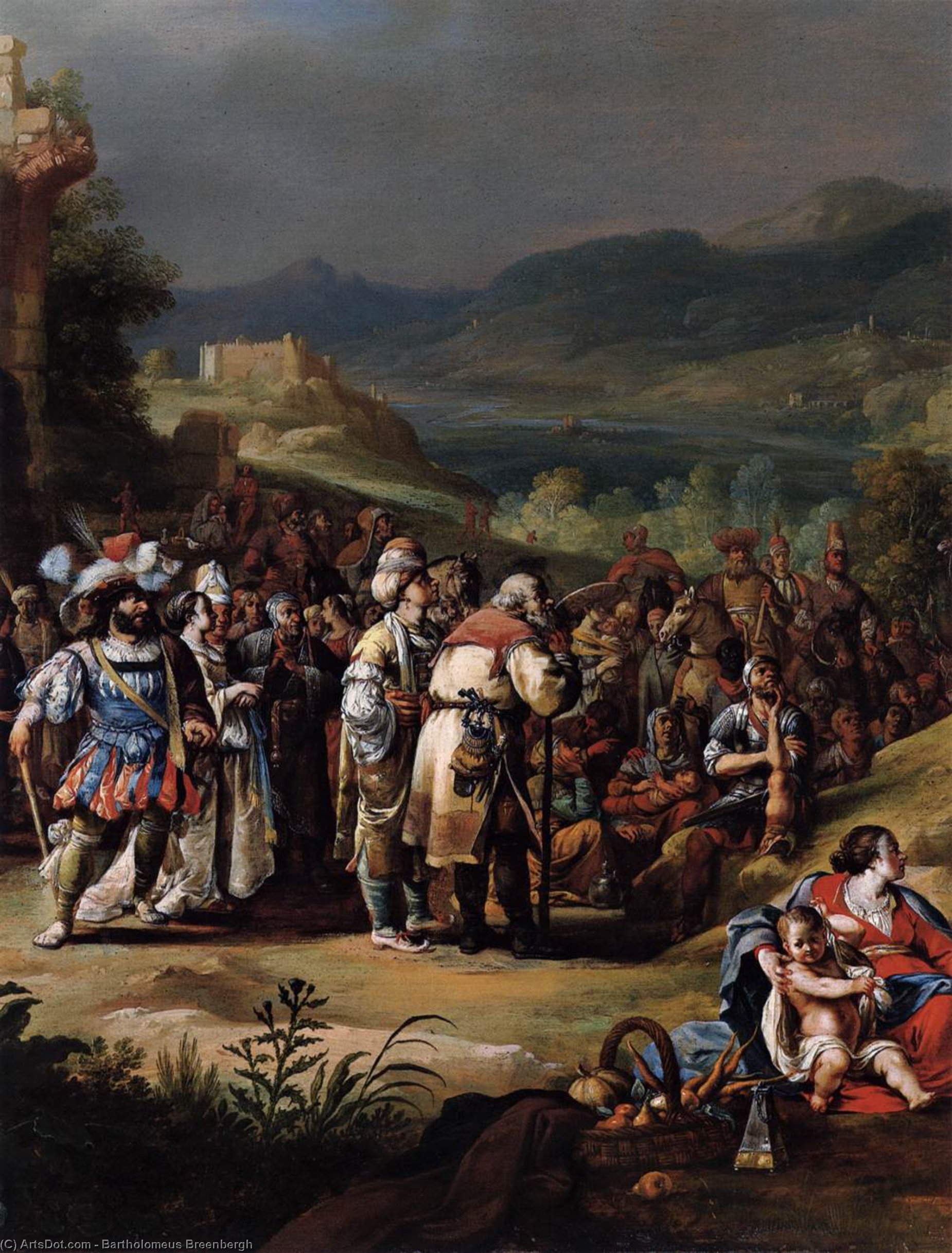
The Preaching of St John the Baptist (detail)


 Read More
Purchase a high-resolution, enhanced digital image, far superior to the online preview.
Each file is meticulously prepared by our in-house specialists using advanced tools and expert manual retouching. We ensure every image has exceptional clarity, precise color accuracy, and fine detail.
The final file is delivered via email within 72 hours, optimized for immediate use in professional, editorial, and print environments. This is the same quality trusted by top-tier design studios, publishers, and galleries.
Digital Image
Download a high-resolution file for personal display, printing, and creative projects. ( Buy Print Buy Hand Made Painting)
Included in Every Digital Image Order
Expert Digital Delivery, Guaranteed
When you choose ArtsDot.com, you're not just getting an image - you're receiving a professionally enhanced digital artwork, crafted with precision and backed by a satisfaction guarantee. Here's everything that comes with your order, automatically:

Fast Email Delivery
Your high-resolution digital image file will be emailed to you within 72 hours of ordering - ready for immediate use.

AI-Enhanced Digital File
Your artwork is professionally optimized using advanced AI tools and manual editing, ensuring maximum detail, clarity, and color accuracy.

Free Lifetime Re-Delivery
Accidentally deleted or lost your file? No worries - we'll resend it to you anytime, free of charge.

No Import Fees - Ever
Enjoy your artwork instantly with zero customs, duties, or delivery fees - digital downloads are always tax-free.

Color Accuracy Guarantee
We ensure your digital image reflects the original colors as closely as possible using professional tools and color management.

60-Day Satisfaction Guarantee
If you're not satisfied with your digital image, we'll revise it or refund 100% within 60 days - no questions asked.

100% Money-Back Guarantee
Not satisfied? Get a full refund within 60 days of receiving your digital file - no questions asked.

Bulk Order Discounts
Buy 3 images, save 10% - Buy 5, save 15% - Buy 10+, save 20%. Great for creative projects, galleries, and agencies.
Collectible Description
The Preaching of St John the Baptist – A Masterpiece of Dutch Baroque
Bartholomeus Breenbergh’s “The Preaching of St John the Baptist,” completed in 1634, stands as a testament to the artistic fervor of the Dutch Golden Age and embodies the ideals of Italianate landscape painting championed by Pieter Lastman. Acquired by The Annenberg Foundation Gift in 1991 and housed within the Metropolitan Museum of Art’s European Paintings department, this panel offers an unparalleled glimpse into the visual language of its era.
The painting depicts Saint John preaching in the wilderness – a motif frequently employed by Dutch artists as an allegory for Protestant worship during Spain’s dominion over the Netherlands. Unlike many contemporary depictions that prioritized literal accuracy, Breenbergh skillfully blended biblical drama with meticulously rendered Italian landscapes, reflecting Lastman's influence and aligning with prevailing artistic trends.
Detailed Composition & Technique
Measuring 21 1/2 x 29 5/8 inches (54.6 x 75.2 cm), the artwork showcases Breenbergh’s masterful command of oil paint on wood. The artist employed a pyramidal composition, drawing inspiration from Renaissance precedents and prioritizing clarity and balance. Observe the careful delineation of figures—primarily Saint John himself, accompanied by several soldiers—against a backdrop of towering mountains bathed in soft sunlight.
Breenbergh’s technique is characterized by subtle gradations of color and meticulous attention to detail. He skillfully captured the textures of stone and foliage, creating an immersive experience for the viewer. The artist's use of chiaroscuro—the dramatic interplay between light and shadow—further enhances the painting’s expressive power, emphasizing Saint John’s solemn posture and conveying a sense of spiritual contemplation.
Symbolism & Context
Beyond its aesthetic beauty, “The Preaching of St John the Baptist” resonates with profound symbolic meaning. The mountainous landscape represents the wilderness—a place of solitude and pilgrimage—where John proclaimed his message of repentance and baptism. Saint John’s posture embodies humility and devotion, mirroring the spiritual aspirations of Protestant Christians during a period marked by religious conflict.
The inclusion of soldiers underscores the political tensions simmering beneath the surface of Dutch society. They serve as a reminder that faith was inextricably linked to power and governance in this era. Furthermore, Breenbergh’s stylistic choices—particularly his embrace of Italian landscape conventions—demonstrate his engagement with the intellectual currents circulating throughout Europe.
A Legacy of Artistic Innovation
Breenbergh's "The Preaching of St John the Baptist" is a cornerstone of Dutch Baroque art, marking a pivotal moment in the artistic evolution of the Netherlands. It exemplifies Lastman’s dramatic narrative flair and foreshadows Rembrandt’s groundbreaking approach to portraiture—two artists who profoundly shaped the visual culture of their time.
The painting's enduring appeal lies not only in its technical brilliance but also in its ability to evoke a powerful emotional response. Its serene grandeur invites contemplation, prompting viewers to reflect on themes of faith, humility, and spiritual transformation. Today, reproductions of this masterpiece continue to inspire artists and collectors alike—a testament to Breenbergh’s artistic genius and the enduring legacy of Dutch Baroque.
Related Artworks



Artist Biography
Early Life and Formation
The story of Bartholomeus Breenbergh, a pivotal figure in the Dutch Golden Age, begins shrouded in some mystery. Born before November 13, 1598, likely in Deventer, Netherlands, his early years are sparsely documented. A significant shift occurred in young Breenbergh’s life with the passing of his father in 1607, prompting a family relocation to Hoorn. It was here, amidst the bustling port town, that he first encountered the world of art, becoming a contemporary of Jacques Waben and receiving initial training – though from one of the many lesser-known landscape painters active in Amsterdam during those years. Formal instruction followed under the tutelage of Pieter Lastman and Jacob Symonsz Pynas, laying the groundwork for his future artistic explorations. These early influences would subtly weave their way into his mature style, particularly Lastman’s dramatic narrative flair.Roman Sojourn and the Italianate Style
In 1619, Breenbergh embarked on a transformative journey to Rome, a city that would indelibly shape his artistic vision. For approximately eleven years, he immersed himself in the vibrant Roman art scene, collaborating with Flemish painter Frans van de Kasteele and falling under the spell of Paul Bril’s luminous landscapes. It was during this period that Breenbergh began developing his signature Italianate style – idealized depictions of the Roman Campagna, bathed in a warm, golden light. He keenly observed the classical ruins scattered across the countryside, incorporating them into compositions that evoked a sense of timeless beauty and melancholic grandeur. His work increasingly resonated with that of Cornelis van Poelenburgh, so much so that distinguishing between their paintings could prove challenging at times. Breenbergh’s embrace of this style wasn't merely aesthetic; it reflected a broader European fascination with classical antiquity and the allure of the Italian landscape. He became one of the founding members of the Bentvueghels, a society of Dutch and Flemish painters in Rome known for their boisterous camaraderie and often satirical nicknames – Breenbergh earned the moniker “het fret” (the ferret).Return to Amsterdam and Artistic Maturity
Around 1630, Breenbergh returned to Amsterdam, bringing with him the artistic sensibilities honed during his Roman years. He quickly established himself as a sought-after painter, marrying in 1633 and even securing an annual stipend from King Charles I of Britain – a testament to his growing reputation. However, his work began to evolve beyond pure landscape painting. Influenced by artists like Pieter Lastman once more, he started integrating mythological and biblical figures into his Italianate settings, creating scenes that were both visually captivating and rich in narrative depth. This fusion of northern European storytelling with southern European landscapes resulted in a monumental style characterized by expressive figure types and dramatic lighting effects. While Breenbergh accepted only one registered pupil, Jan de Bisschop, who studied with him during the 1640s, his influence extended to a wider circle of artists including Jan Linsen, Scipione Compagno, Laurens Barata, Charles Cornelisz. de Hooch and others.Legacy and Historical Significance
Bartholomeus Breenbergh’s contribution to Dutch Golden Age painting lies in his pioneering role in establishing the Italianate landscape style within the Northern European artistic tradition. He masterfully synthesized influences from Pieter Lastman, Nicolaes Moeyaert, Paul Bril, and Cornelis van Poelenburgh, forging a unique and recognizable artistic voice. His ability to seamlessly blend classical ruins, idealized landscapes, and compelling narratives captivated audiences and inspired subsequent generations of landscape painters. He bridged the gap between earlier Dutch masters and later, more refined practitioners like Claude Lorrain, paving the way for a new appreciation of Italianate scenery in Northern European art. Breenbergh’s work helped popularize depictions of classical antiquity and idealized landscapes, shaping the aesthetic preferences of his time and leaving an enduring mark on the history of landscape painting. His paintings continue to resonate today, offering viewers a glimpse into a world where myth, religion, and nature converge in harmonious beauty.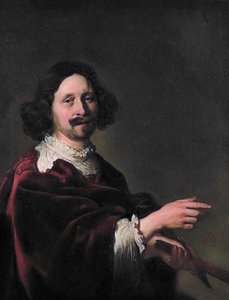
Bartholomeus Breenbergh
1598 - 1657 , Netherlands
Quick Facts
- Artistic Movement Or Style: Italianate landscape
- Artists Or Movements Influenced By This Artist:
- Jan Linsen
- Claude Lorrain
- Artists Who Influenced This Artist:
- Pieter Lastman
- Paul Bril
- Cornelis van Poelenburgh
- Date Of Birth: Before Nov 13, 1598
- Date Of Death: After Oct 3, 1657
- Full Name: Bartholomeus Breenbergh
- Nationality: Dutch
- Notable Artworks:
- Jacob Wrestling with the Angel
- The Adoration of the Magi
- The Preaching of St John
- Place Of Birth: Deventer, Netherlands

