

 Preview
 Send
Send Share
Share
 Details

 Download
 Similars
 X-Ray
X-Ray Diaporama
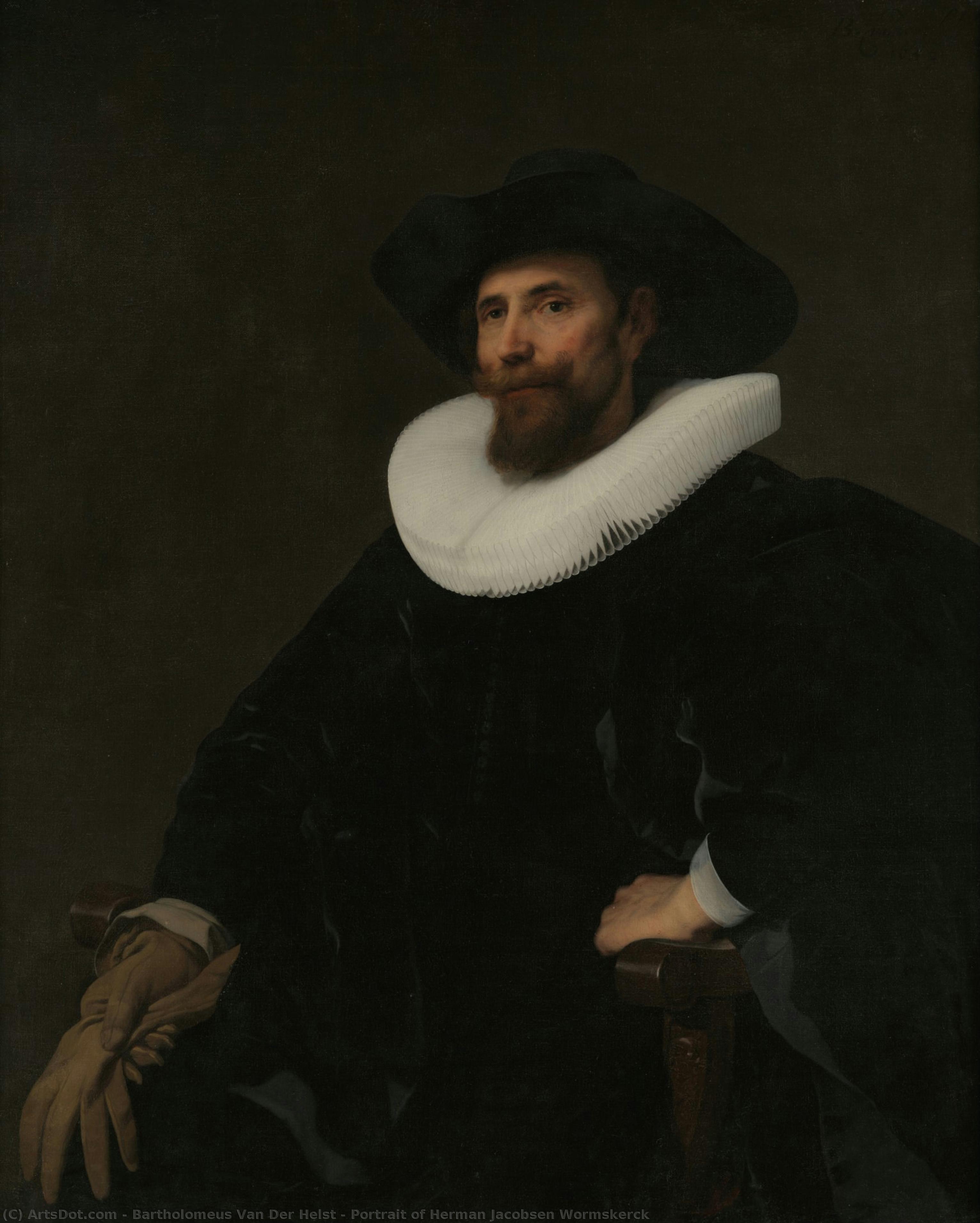
Portrait of Herman Jacobsen Wormskerck
 Oil On Canvas
- WallArt
- Dutch Golden Age Portraiture
 1653
1653- Early Modern
 111.0 x 93.0 cm
 Museo de Arte de Ponce
 Read More
Purchase a high-resolution, enhanced digital image, far superior to the online preview.
Each file is meticulously prepared by our in-house specialists using advanced tools and expert manual retouching. We ensure every image has exceptional clarity, precise color accuracy, and fine detail.
The final file is delivered via email within 72 hours, optimized for immediate use in professional, editorial, and print environments. This is the same quality trusted by top-tier design studios, publishers, and galleries.
Digital Image
Download a high-resolution file for personal display, printing, and creative projects. ( Buy Print Buy Hand Made Painting)
Included in Every Digital Image Order
Expert Digital Delivery, Guaranteed
When you choose ArtsDot.com, you're not just getting an image - you're receiving a professionally enhanced digital artwork, crafted with precision and backed by a satisfaction guarantee. Here's everything that comes with your order, automatically:

Fast Email Delivery
Your high-resolution digital image file will be emailed to you within 72 hours of ordering - ready for immediate use.

AI-Enhanced Digital File
Your artwork is professionally optimized using advanced AI tools and manual editing, ensuring maximum detail, clarity, and color accuracy.

Free Lifetime Re-Delivery
Accidentally deleted or lost your file? No worries - we'll resend it to you anytime, free of charge.

No Import Fees - Ever
Enjoy your artwork instantly with zero customs, duties, or delivery fees - digital downloads are always tax-free.

Color Accuracy Guarantee
We ensure your digital image reflects the original colors as closely as possible using professional tools and color management.

60-Day Satisfaction Guarantee
If you're not satisfied with your digital image, we'll revise it or refund 100% within 60 days - no questions asked.

100% Money-Back Guarantee
Not satisfied? Get a full refund within 60 days of receiving your digital file - no questions asked.

Bulk Order Discounts
Buy 3 images, save 10% - Buy 5, save 15% - Buy 10+, save 20%. Great for creative projects, galleries, and agencies.
Collectible Description
A Glimpse into the Dutch Golden Age
In the heart of 1653, as Amsterdam flourished as the beating pulse of global commerce, Bartholomeus van der Helst captured more than just a face; he immortalized an era of profound dignity. His Portrait of Herman Jacobsen Wormskerck serves as a breathtaking window into the Dutch Golden Age, a period defined by unparalleled prosperity and artistic refinement. The sitter, a man of significant social standing, is presented not merely as a wealthy cloth merchant, but as a symbol of the stability and gravitas that characterized the seventeenth-century Netherlands. Through Van der Helst’s lens, we encounter a subject whose steady gaze establishes an immediate, almost intimate connection with the viewer, inviting us to step back in time and witness the quiet strength of a bygone aristocracy.
The painting is a masterclass in the chiaroscuro technique, where the deliberate interplay of light and shadow breathes life into the canvas. A soft, diffused light emanates from the left, gently illuminating the intricate textures of Wormskerck’s attire—the crisp, white ruff of his collar and the delicate plume of a feather adorning his hat. This luminous focus contrasts sharply with the deep, velvety shadows of the background, creating a sense of three-dimensional volume that makes the figure appear to emerge from the darkness itself. Such lighting does more than define form; it directs our emotional response, casting a somber yet majestic aura over the composition that commands respect and contemplation.
Mastery of Texture and Tonal Elegance
To behold this portrait is to appreciate the meticulous technical prowess of Van der Helst. The artist’s brushwork is nearly invisible, replaced by smooth, seamless transitions of color that mimic the tactile reality of the subject's world. One can almost feel the heavy weight of the dark fabrics, the subtle roughness of the ornate chair, and the supple softness of leather gloves. This dedication to realism was a hallmark of the Amsterdam school, where the depiction of material wealth served as a testament to the sitter's success and the artist's skill.
< p>The color palette is a sophisticated study in restraint, dominated by a spectrum of deep blacks, rich browns, and muted grays. This monochromatic elegance is punctuated only by strategic highlights, ensuring that the viewer’s eye remains focused on the psychological depth of the subject. The composition itself is balanced with a subtle dynamism; while Wormskerck sits centered, the slight offset of his chair and the presence of a soft couch in the background introduce a layered spatial depth. For the discerning collector or interior designer, this artwork offers a timeless sophistication, providing a focal point that brings a sense of historical weight and cultured grace to any curated space.Related Artworks


Artist Biography
A Master of Amsterdam’s Golden Age: The Life and Art of Bartholomeus van der Helst
Born in Haarlem in 1613, Bartholomeus van der Helst quickly rose to prominence as one of the leading portraitists during the Dutch Golden Age. While his early life remains somewhat shrouded in mystery—Haarlem’s birth records from that period are unfortunately lost—we know he relocated to Amsterdam, a bustling center of commerce and artistic innovation, where he established himself by 1636. His marriage to Anna du Pire, an orphan from a prosperous Southern Netherlands family, suggests a connection to the city's thriving merchant class, a network that would prove crucial to his burgeoning career. Van der Helst’s initial training remains debated, though many scholars believe Nicolaes Eliaszoon Pickenoy, a respected Amsterdam portraitist, may have been his mentor. This influence is visible in the meticulous detail and refined technique of his early works, such as the striking *Regents of the Walloon Orphanage* (1637), which immediately showcased his talent for capturing both likeness and character.Capturing an Era: Portraiture and Style
Van der Helst’s artistic signature lies in his ability to portray the elegance and affluence of Amsterdam's elite. His portraits weren’t merely representations; they were statements of status, carefully constructed narratives that reflected the sitter’s position within society. He possessed a remarkable skill for depicting luxurious fabrics, gleaming jewelry, and elaborate settings with breathtaking realism. But beyond technical mastery, Van der Helst understood how to capture the *essence* of his subjects—their personality, their ambitions, and their place in the world. This is particularly evident in his group portraits, a genre he excelled in. Unlike some contemporaries who favored dynamic compositions filled with movement, Van der Helst often opted for more formal arrangements, emphasizing clarity and individual distinction within the collective. His most celebrated achievement in this vein is undoubtedly *The Banquet at the Crossbowmen’s Guild in Celebration of the Treaty of Münster* (1648). This monumental work, brimming with meticulously rendered figures, isn't simply a record of an event; it’s a vibrant tableau that encapsulates the spirit of celebration and civic pride following the end of the Eighty Years’ War.A Moment in the Sun: Achievements and Influences
By the mid-1640s, Van der Helst had surpassed even Rembrandt in popularity among Amsterdam's wealthy patrons—a testament to his ability to deliver portraits that resonated with their tastes and aspirations. He became the go-to artist for depicting the city’s leading merchants, officials, and members of prominent guilds. His success wasn’t limited to portraiture; he also explored genre scenes and biblical subjects, though these works are less numerous than his celebrated likenesses. Van der Helst's influence extended beyond his own lifetime. Ludolf Bakhuizen, a renowned marine painter, assisted him on several occasions, absorbing valuable lessons in composition and technique. His legacy is visible in the work of other Dutch artists who followed, drawn to his refined style and masterful handling of light and shadow. Today, his paintings are treasured possessions of museums like the Rijksmuseum in Amsterdam and can be found in collections worldwide, including those accessible through platforms like ArtsDot.com and ArtsDot.com.Family, Legacy, and Final Years
Van der Helst’s personal life was marked by both joy and sorrow. He and Anna du Pire had six children, though only two survived to adulthood. In 1647, as his family grew and his workshop expanded, he moved to a larger house on the Walenpleintje in Amsterdam. His son, Lodewijk, followed in his father’s footsteps, becoming a painter himself—though he did not achieve the same level of renown. Bartholomeus van der Helst passed away in Amsterdam on December 16, 1670, leaving behind a rich artistic legacy that continues to captivate and inspire. He contributed significantly to the development of portraiture during the Dutch Golden Age, establishing a style characterized by elegance, detail, and an acute sensitivity to individual character within both single portraits and complex group compositions. His works remain powerful testaments to a vibrant era and a master craftsman’s enduring skill.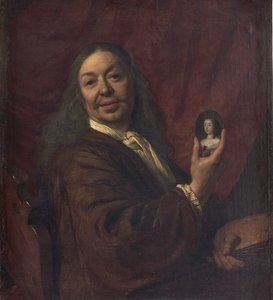
Bartholomeus van der Helst
1613 - 1670 , Netherlands
Quick Facts
- Artistic Movement Or Style: Dutch Golden Age, Baroque
- Artists Or Movements Influenced By This Artist: ['Ludolf Bakhuizen']
- Artists Who Influenced This Artist: ['Ferdinand Bol']
- Date Of Birth: 1613
- Date Of Death: 1670
- Full Name: Bartholomeus van der Helst
- Nationality: Dutch
- Notable Artworks:
- Banquet at the Crossbowmen’s Guild
- Regents Of The Walloon Orphange
- Jacobus Trip (1627-70)
- Place Of Birth: Haarlem, Netherlands

