 Preview
 Send
Send Share
Share
 Details

 Download
 Similars
 X-Ray
X-Ray Diaporama
Death of St Francis
 1593
1593 115.0 x 153.0 cm
 Museu Nacional de Arte Antiga
 Read More
Hand Made Oil Reproduction
Hand-painted oil on canvas in your size and frame, made to order by our artists. ( Buy Print Buy Image)




































Pick from our preset sizes that match the artwork's original proportions.

You may enter your own dimensions to fit a specific frame or space. If your selected size does not match the original image's proportions, we will either crop the artwork or extend the painting with additional hand-painted elements. A digital mockup will be sent for your approval before production begins.
Please note that the on-screen preview does not reflect the actual cropping or extension. Only the mockup will accurately show the final composition.
While custom sizes are available, we recommend selecting a dimension from the predefined list to preserve the original proportions.
After order, ArtsDot.com team will email client for instructions and provide a mockup preview
Worldwide Delivery () in 3/4 weeks instead of standard 5 weeks. (21 August). No compromise on quality.

Free Worldwide Express Shipping

High-Quality Linen Canvas

Full Shipping Insurance

Customs Tax Refund Guarantee

True Color Matching Guarantee

60-Day Return Policy (Defects Only)

100% Money-Back Guarantee

Bulk Discount Offer
 Glass option is only available in size under 110 CM

Death of St Francis
Reproduction Medium
Reproduction Size
-


Total Price
$ 263
Artwork Description
Artistic Significance
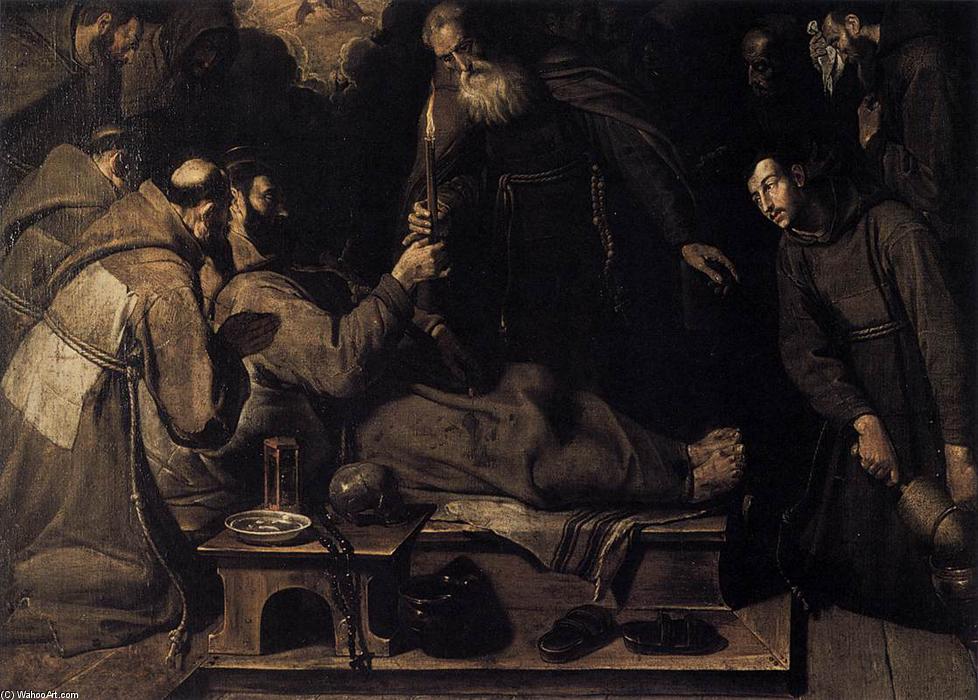
The painting depicts a poignant scene from the life of St. Francis, showcasing his peaceful death surrounded by monks and friars. The use of subdued lighting and somber colors creates an atmosphere of reverence and contemplation. The central figure of St. Francis is serene, with a subtle smile on his face, while the surrounding figures are engaged in various activities that convey caregiving and mourning. Key elements in the painting include a skull, symbolizing mortality, and a small bird, possibly representing freedom from earthly life or an angelic messenger. A book lies open, indicating the reading of scripture or prayers during this time. These details demonstrate Carducho's mastery of composition and his ability to convey complex emotions through art.Artist and Style
Bartolomé Carducho was a prominent Spanish painter of the Renaissance period, known for his dramatic and emotionally charged works. His style is characterized by the use of oil on canvas, which allows for rich textures and vivid colors. The Death of St Francis showcases Carducho's skill in capturing the subtleties of human emotion and his ability to create a sense of intimacy and connection with the viewer.- For more information on Bartolomé Carducho and his works, visit /art/list/?Filter=8Y35H9-Bartolome-Carducho-Death-of-St-Francis
- Explore the collection of the Museu Nacional de Arte Antiga at /art/list/?Filter=A@D3ARX7-Museu-Nacional-de-Arte-Antiga-(Lisbon-Portugal)
The Death of St Francis is a testament to the artistic genius of Bartolomé Carducho and a remarkable example of Renaissance art. As a masterpiece of oil on canvas, it continues to inspire and captivate audiences today. For those interested in acquiring a handmade oil painting reproduction of this work, visit https://ArtsDot.com to explore their collection of high-quality reproductions.
Related Artworks
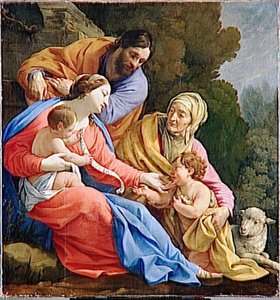
![Life Of Saint Francis - [04] - Death And Ascension Of St Francis — Giotto Di Bondone, Italian Renaissance](/media/artworks/images/thumbnails/e8/b6/e8b63a7fcb4a42ab89d26ae343d6f757.jpg)
Artist Biography
A Florentine Soul in the Spanish Court
The story of Bartolomé Carducho is one of profound movement, a journey that began amidst the intellectual splendor of Renaissance Florence and culminated in the grand, somber majesty of the Spanish court. Born around 1560, Carducho was a product of the most prestigious artistic lineages of his era. His early training was remarkably diverse; he did not merely study the brush, but also the structural foundations of space through architecture and sculpture under the guidance of Bartolomeo Ammanati. This multidisciplinary upbringing gifted him with an innate understanding of volume and composition that would later breathe life into his painted figures, giving them a sculptural presence that transcends the flat surface of the canvas.
As he matured, Carducho’s path became inextricably linked to the influential Federico Zuccaro. Under Zuccaro’s mentorship, he absorbed the refined elegance of the late Renaissance and the emerging complexities of Mannerism. The collaborative atmosphere of Florence, particularly through his exposure to the monumental projects involving Vasari and the decoration of the Duomo, instilled in him a reverence for disegno—the art of precise drawing. This commitment to structural integrity, paired with a burgeoning mastery of chiaroscuro, allowed him to manipulate light and shadow to evoke deep, spiritual resonance within his subjects.
The Transition to Baroque Grandeur
A transformative chapter in Carducho’s life unfolded in 1585 when he followed Zuccaro to Madrid. This relocation was far more than a change of scenery; it was an immersion into the heart of the Spanish Golden Age. In Spain, Carducho’s style began to evolve, shedding some of its Florentine restraint to embrace the dramatic, emotive power of the Baroque. His work started to reflect the intense religious fervor of the Counter-Reformation, a movement that demanded art capable of stirring the soul and inspiring piety through visceral, human emotion.
His ability to blend Italian technical precision with the burgeoning Spanish preference for dramatic narrative made him a sought-after talent at the highest levels of society. His later works demonstrate a sophisticated command over the interplay of light, creating scenes that feel both monumental and intimately tragic. This period of his career is marked by several significant achievements:
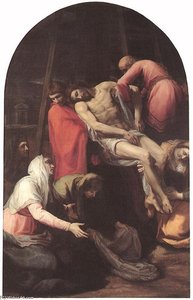
- The Mastery of Emotion: In masterpieces such as Descent from the Cross, Carducho utilizes profound anatomical detail and dramatic lighting to capture the raw grief of the biblical narrative.
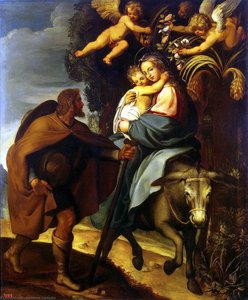
- Narrative Depth: Works like The Flight into Egypt showcase his ability to guide the viewer through complex, atmospheric landscapes that feel both epic and personal.
- Spiritual Intensity: His religious compositions often serve as windows into the divine, using shadow to create a sense of mystery and sacredness.
- Legacy of the Escorial: His contributions to the artistic landscape of Spain helped bridge the gap between the classical traditions of Italy and the unique, powerful aesthetic of the Spanish Baroque.
A Lasting Artistic Legacy
Though his life was relatively short, ending in 1593, Bartolomé Carducho left an indelible mark on the trajectory of European art. He stands as a vital link in the chain of artistic evolution, carrying the disciplined traditions of Florence into the expressive, theatrical world of the Spanish Baroque. His legacy is not merely found in the individual canvases that grace museums like the Prado, but in the way he helped synthesize two distinct cultural identities through the universal language of paint.
Today, when we gaze upon his works, we see more than just historical artifacts; we witness a masterwork of human emotion and technical brilliance. His ability to capture the weight of a body, the flicker of light on fabric, and the profound sorrow of a saint remains a testament to his enduring genius. Carducho’s life reminds us that art is a continuous dialogue across borders, where the shadows of Italy can find their most powerful expression in the light of Spain.
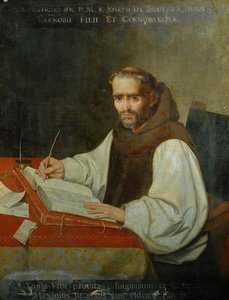
bartolomé carducho
1560 - 1593 , Italy
Quick Facts
- Artistic Movement Or Style: Spanish Baroque Art
- Artists Or Movements Influenced By This Artist: ['Michelangelo']
- Artists Who Influenced This Artist:
- Federico Zuccari
- Bartolomeo Ammanati
- Date Of Birth: Florence, Italy (1560)
- Date Of Death: Madrid, 1608
- Full Name: Bartolomé Carducho
- Nationality: Italian
- Notable Artworks:
- Descent from the Cross
- The Last Supper
- Flight into Egypt
- Place Of Birth: Florence