

 Preview
 Send
Send Share
Share
 Details

 Download
 Similars
 X-Ray
X-Ray Diaporama
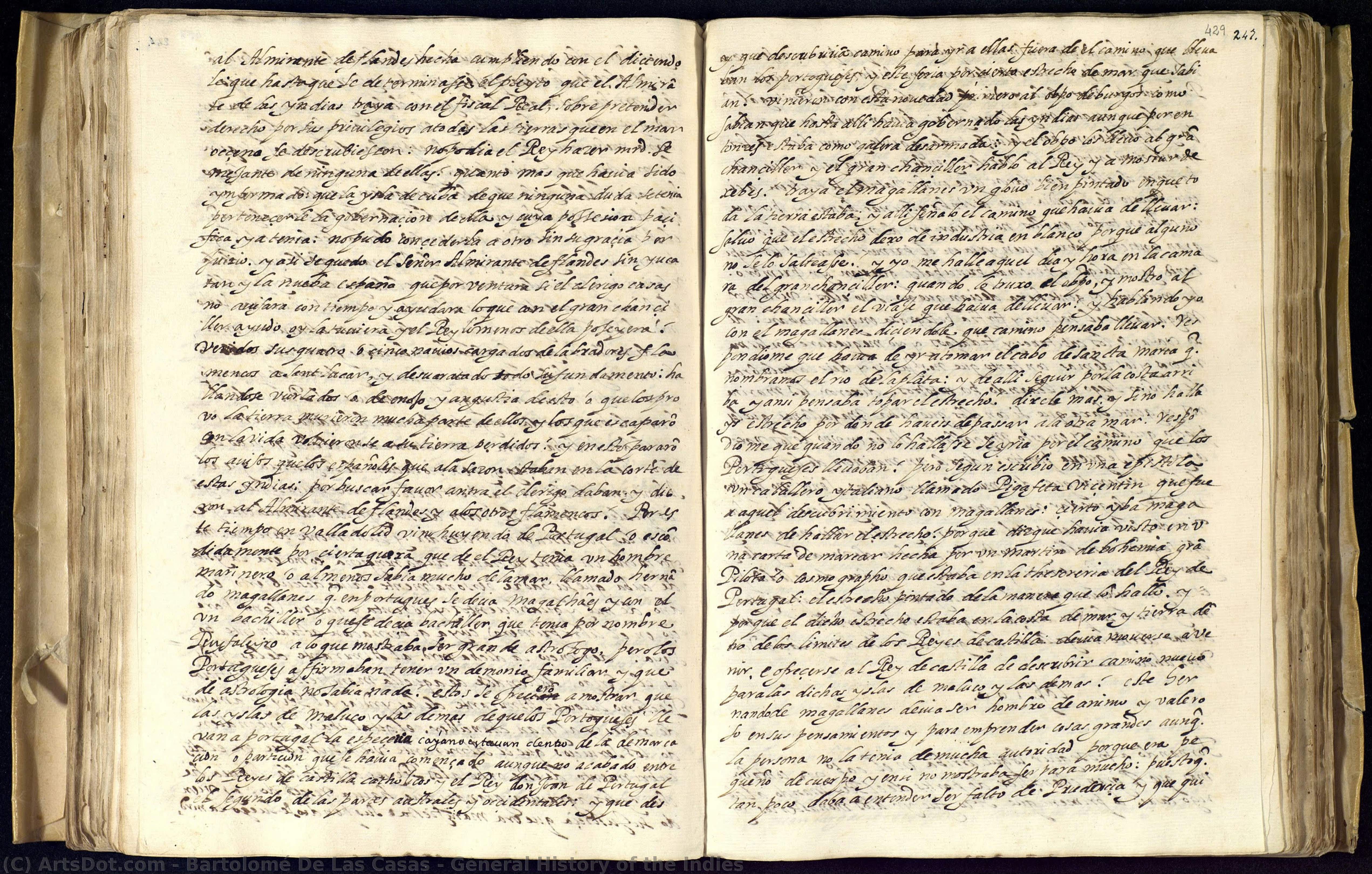
General History of the Indies


 Read More
Purchase a high-resolution, enhanced digital image, far superior to the online preview.
Each file is meticulously prepared by our in-house specialists using advanced tools and expert manual retouching. We ensure every image has exceptional clarity, precise color accuracy, and fine detail.
The final file is delivered via email within 72 hours, optimized for immediate use in professional, editorial, and print environments. This is the same quality trusted by top-tier design studios, publishers, and galleries.
Digital Image
Download a high-resolution file for personal display, printing, and creative projects. ( Buy Print Buy Hand Made Painting)
Included in Every Digital Image Order
Expert Digital Delivery, Guaranteed
When you choose ArtsDot.com, you're not just getting an image - you're receiving a professionally enhanced digital artwork, crafted with precision and backed by a satisfaction guarantee. Here's everything that comes with your order, automatically:

Fast Email Delivery
Your high-resolution digital image file will be emailed to you within 72 hours of ordering - ready for immediate use.

AI-Enhanced Digital File
Your artwork is professionally optimized using advanced AI tools and manual editing, ensuring maximum detail, clarity, and color accuracy.

Free Lifetime Re-Delivery
Accidentally deleted or lost your file? No worries - we'll resend it to you anytime, free of charge.

No Import Fees - Ever
Enjoy your artwork instantly with zero customs, duties, or delivery fees - digital downloads are always tax-free.

Color Accuracy Guarantee
We ensure your digital image reflects the original colors as closely as possible using professional tools and color management.

60-Day Satisfaction Guarantee
If you're not satisfied with your digital image, we'll revise it or refund 100% within 60 days - no questions asked.

100% Money-Back Guarantee
Not satisfied? Get a full refund within 60 days of receiving your digital file - no questions asked.

Bulk Order Discounts
Buy 3 images, save 10% - Buy 5, save 15% - Buy 10+, save 20%. Great for creative projects, galleries, and agencies.
Related Artworks
![Vida De Miguel De Cervantes Saavedra (life Of Miguel De Cervantes Saavedra). Book V Of The Edition Of Don Quixote (biblioteca Nacional De España)\n\n[7] — Martín Fernández De Navarrete Y Ximénez De Tejada, Academic Art](/media/artworks/images-thumb/8c/b6/8cb67a4dd450447373a546c8dd039e57.jpg)
![La Verdadera Patria De Miguel De Cervantes (miguel De Cervantes’s True Homeland) (biblioteca Nacional De España)\n\n[4][fol.1] — Pedro José García Balboa, Baroque Rococo Revival](/media/artworks/images-thumb/a6/d8/a6d842058b3ffb23732e0ff43fd89aac.jpg)
Artist Biography
Hans Baldung: A Bridge Between Darkness and Light
Born in the small Imperial Free City of Schwäbisch Gmünd around 1484 or 1485, Hans Baldung was a figure of profound complexity within the burgeoning artistic landscape of Renaissance Germany. His life and work represent a fascinating confluence of influences – the meticulous precision of Albrecht Dürer, the brooding intensity of late Gothic traditions, and a distinctly personal vision that set him apart. While often categorized as a student of Dürer, Baldung’s trajectory reveals an artist forging his own path, one characterized by both technical mastery and a willingness to embrace darker, more emotionally charged themes.
Baldung's early years were shaped profoundly by his apprenticeship with the renowned Albrecht Dürer in Nuremberg. This period, spanning from 1503 to 1507, proved transformative. Dürer’s studio offered a rigorous training in drawing, printmaking, and perspective – skills Baldung absorbed with remarkable speed. However, it was not merely imitation that characterized his time with the master; Baldung quickly developed a distinct style, one that subtly diverged from Dürer's more idealized representations. He demonstrated an aptitude for capturing psychological depth and a willingness to explore unsettling subject matter, foreshadowing the emergence of Mannerism in Northern Europe.
The Shadowed Palette: Baldung’s Distinctive Style
Baldung’s artistic style is immediately recognizable by its dramatic use of color, often employing rich, saturated hues alongside stark contrasts. Unlike Dürer's comparatively restrained palette, Baldung favored a more expressive and emotionally charged approach. His works frequently feature unsettling imagery – grotesque figures, distorted perspectives, and a palpable sense of unease. This shift towards the darker side of the Renaissance is reflected in his nickname, “Hans Baldung Grien,” derived from the German word for green, which he was known to use liberally.
His output encompassed a remarkably diverse range of media: altarpieces, portraits, woodcuts, drawings, and even stained glass. The woodcuts, in particular, stand out as showcasing his unique vision. They are not merely decorative illustrations but rather complex allegorical narratives imbued with symbolic meaning and often tinged with a sense of foreboding. His depictions of the *Dance of Death* exemplify this tendency towards the macabre, offering a stark commentary on mortality and human frailty.
Influences and Artistic Connections
Baldung’s artistic development was shaped by a complex interplay of influences. As a student of Dürer, he inherited elements of the High Renaissance – particularly in his technical skill and understanding of perspective. However, he also drew heavily on late Gothic traditions, evident in his use of elongated figures, dramatic lighting, and emotionally charged expressions. Furthermore, Baldung’s travels exposed him to Italian art, specifically the work of artists like Raphael and Michelangelo, which informed his approach to composition and anatomy.
Crucially, Baldung's artistic journey was intertwined with that of Albrecht Dürer himself. Their relationship was marked by both collaboration and rivalry. Dürer recognized Baldung’s talent but also viewed him as a potential threat to his own reputation. Despite this tension, they maintained a professional connection throughout their careers, exchanging ideas and techniques.
Legacy and Historical Significance
Hans Baldung remains a pivotal figure in the transition from late Gothic to Renaissance art in Germany. He represents a bridge between these two stylistic traditions, embodying both meticulous craftsmanship and expressive intensity. His work foreshadowed the emergence of Mannerism, characterized by its emphasis on emotionality, distortion, and subjective experience.
Baldung’s legacy extends beyond his individual works. He played a crucial role in shaping the artistic landscape of Nuremberg and influenced generations of artists who followed. His willingness to explore darker themes and challenge conventional notions of beauty cemented his place as one of the most significant and enigmatic figures of the Northern Renaissance.
His influence can be seen in the work of later German artists, including Lucas Cranach the Elder, who continued to develop the expressive qualities that Baldung had pioneered. Ultimately, Hans Baldung’s art serves as a powerful reminder of the complexities and contradictions inherent in the human experience – a testament to the enduring power of darkness and light in shaping artistic vision.
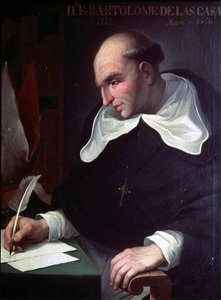
bartolomé de las casas
1484 - 1566 , Spain
Quick Facts
- Artistic Movement Or Style: German Renaissance/Mannerism
- Artists Or Movements Influenced By This Artist: ['German Renaissance']
- Artists Who Influenced This Artist: ['Albrecht Dürer']
- Date Of Birth: 1484 or 1485
- Date Of Death: September 1545
- Full Name: Hans Baldung
- Nationality: German
- Notable Artworks:
- The Fall of Man
- Saint Sebastian
- Death and the Devil
- Place Of Birth: Schwäbisch Gmünd, Germany

