

 Preview
 Send
Send Share
Share
 Details

 Download
 Similars
 X-Ray
X-Ray Diaporama
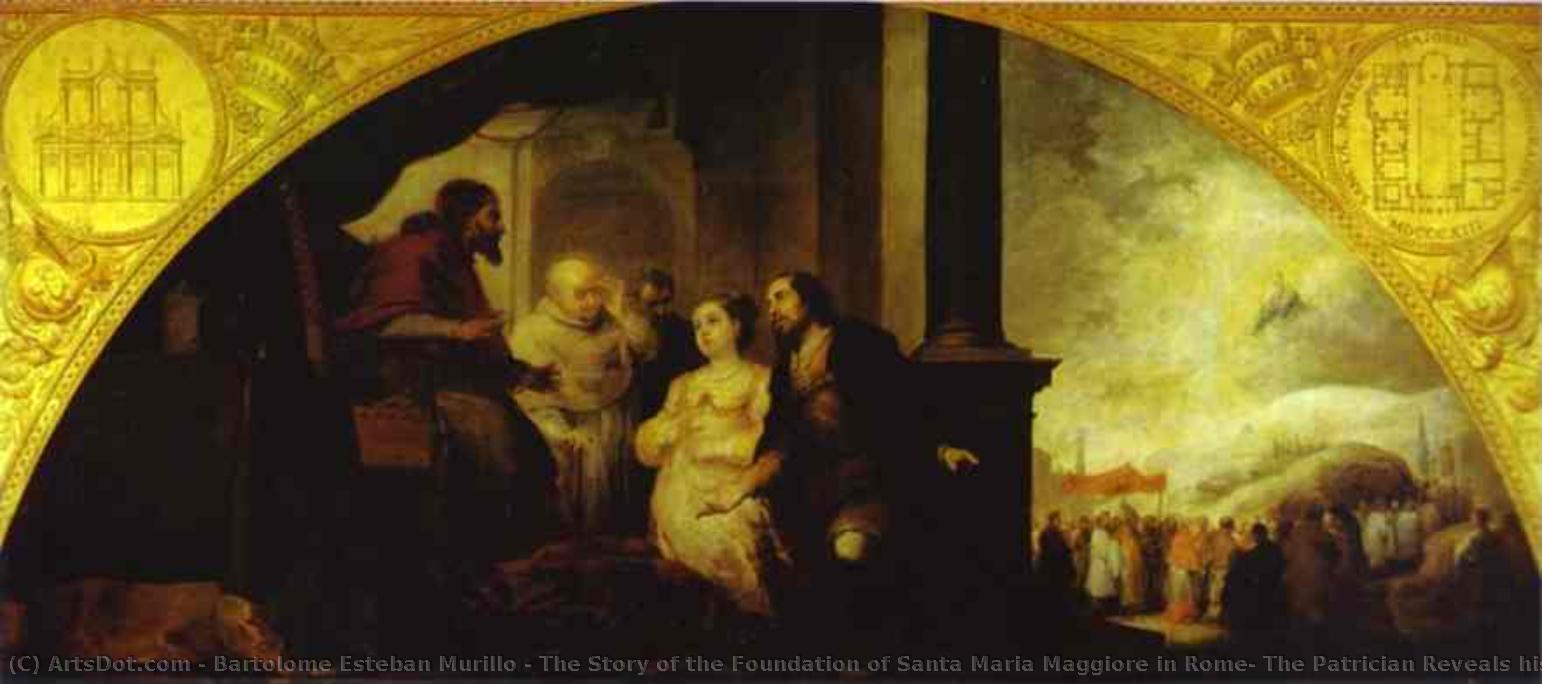
The Story of the Foundation of Santa Maria Maggiore in Rome: The Patrician Reveals his Dream to the Pope
 Oil On Canvas
- WallArt
- Baroque
 1665
1665 232.0 x 522.0 cm
 Prado Museum
 Read More
Purchase a high-resolution, enhanced digital image, far superior to the online preview.
Each file is meticulously prepared by our in-house specialists using advanced tools and expert manual retouching. We ensure every image has exceptional clarity, precise color accuracy, and fine detail.
The final file is delivered via email within 72 hours, optimized for immediate use in professional, editorial, and print environments. This is the same quality trusted by top-tier design studios, publishers, and galleries.
Digital Image
Download a high-resolution file for personal display, printing, and creative projects. ( Buy Print Buy Hand Made Painting)
Included in Every Digital Image Order
Expert Digital Delivery, Guaranteed
When you choose ArtsDot.com, you're not just getting an image - you're receiving a professionally enhanced digital artwork, crafted with precision and backed by a satisfaction guarantee. Here's everything that comes with your order, automatically:

Fast Email Delivery
Your high-resolution digital image file will be emailed to you within 72 hours of ordering - ready for immediate use.

AI-Enhanced Digital File
Your artwork is professionally optimized using advanced AI tools and manual editing, ensuring maximum detail, clarity, and color accuracy.

Free Lifetime Re-Delivery
Accidentally deleted or lost your file? No worries - we'll resend it to you anytime, free of charge.

No Import Fees - Ever
Enjoy your artwork instantly with zero customs, duties, or delivery fees - digital downloads are always tax-free.

Color Accuracy Guarantee
We ensure your digital image reflects the original colors as closely as possible using professional tools and color management.

60-Day Satisfaction Guarantee
If you're not satisfied with your digital image, we'll revise it or refund 100% within 60 days - no questions asked.

100% Money-Back Guarantee
Not satisfied? Get a full refund within 60 days of receiving your digital file - no questions asked.

Bulk Order Discounts
Buy 3 images, save 10% - Buy 5, save 15% - Buy 10+, save 20%. Great for creative projects, galleries, and agencies.
The Story of Santa Maria Maggiore: Murillo’s Vision of Faith
Bartolomé Esteban Murillo's "The Story of the Foundation of Santa Maria Maggiore in Rome: The Patrician Reveals his Dream to the Pope" stands as a testament to the artistic fervor of Seville during its Golden Age. Painted circa 1662-1665, this monumental oil on canvas masterpiece transcends mere depiction; it embodies a profound meditation on piety and divine inspiration—themes central to Catholic Spain’s spiritual landscape at the time. Located in the Museo del Prado, Madrid, the painting measures an impressive 232 x 522 cm, commanding attention with its scale and meticulous detail.A Scene Steeped in Symbolism
The composition centers around a captivating tableau: a patrician gentleman kneeling before Pope Innocent XI, accompanied by his wife who cradles their infant son. This seemingly simple scene is laden with symbolic significance. The patriarch’s posture signifies humility and devotion—a cornerstone of Catholic belief—as he seeks divine guidance regarding the ambitious undertaking to construct Santa Maria Maggiore, Rome's oldest basilica. The Pope embodies authority and spiritual leadership, representing the Church’s unwavering faith amidst turbulent political currents. Crucially, the infant son symbolizes purity and innocence, embodying the hope for salvation and mirroring the basilica’s dedication to Mary, Mother of God—a powerful visual representation of Christian dogma.Murillo's Luminosity: Technique and Style
Murillo’s distinctive style is characterized by an unparalleled luminosity achieved through masterful glazing techniques. He employed a layered application of thin translucent glazes over underpaintings, creating an ethereal glow that imbues the figures with warmth and serenity. This technique—a hallmark of Sevillian Baroque—allowed Murillo to capture subtle nuances of light and shadow, enhancing the realism of his subjects while simultaneously conveying an atmosphere of spiritual contemplation. The artist’s meticulous attention to anatomical accuracy combined with idealized proportions contributes to the painting's timeless beauty and emotional resonance.Historical Context: Rome Under Papal Rule
The genesis of Santa Maria Maggiore lies in a prophetic dream experienced by Saint Pius IX, who envisioned the basilica adorned with magnificent mosaics depicting scenes from the Gospels. This vision galvanized Pope Innocent XI to initiate the monumental rebuilding project—a feat considered audacious at the time and reflecting the papal ambition to reaffirm Rome’s spiritual primacy. Murillo's depiction captures this pivotal moment in Roman history, encapsulating the fervor for religious art that permeated the Baroque period and cementing Santa Maria Maggiore’s place as a symbol of papal piety and artistic grandeur.Emotional Impact: A Portrait of Faithfulness
“The Story of the Foundation…” transcends mere historical record; it speaks to the enduring human desire for spiritual solace and divine grace. Murillo's masterful portrayal evokes feelings of compassion, reverence, and tranquility—qualities deeply rooted in Christian tradition. The painting’s serene atmosphere invites contemplation on themes of faith, family, and artistic aspiration—resonating powerfully with viewers centuries later. It remains a poignant reminder of the transformative power of art to illuminate the human spirit and celebrate the sanctity of belief.- SHOP FOR REPRODUCTION:
Related Artworks



Artist Biography
A Life Bathed in Andalusian Light
Bartolomé Esteban Murillo, a name synonymous with the golden age of Spanish Baroque painting, emerged from the vibrant heart of Seville in 1618. His life, though marked by personal tragedy and societal shifts, blossomed into an artistic career that captured the spirit of his time—a period of religious fervor, social change, and burgeoning artistic innovation. Born to Gaspar Esteban, a barber-surgeon, and María Pérez Murillo, within a large family of fourteen children, young Bartolomé experienced early loss with the passing of both parents in quick succession during his childhood. This hardship led him into the guardianship of his sister’s husband, Juan Agustín Lagares, a pivotal figure who would indirectly guide his artistic path. Murillo's initial training began under Juan del Castillo, a local artist and relative through his mother, laying the foundation for a style that would eventually become uniquely his own. The early years were steeped in the realist traditions prevalent in Seville, absorbing influences from masters like Zurbarán, Ribera, and Cano—artists who prioritized stark realism and dramatic intensity. However, Murillo’s genius lay not in mere imitation but in transforming these foundations into something softer, more luminous, and profoundly human.From Realism to Radiant Grace
Murillo's artistic journey wasn’t a sudden leap to fame but rather an evolution marked by distinct phases. His early works, heavily influenced by the austere realism of his contemporaries, showcased a meticulous attention to detail and a somber palette. Young Man with a Basket of Fruit (Personification of Summer), created around 1640-50, exemplifies this period—a grounded depiction of everyday life rendered with remarkable precision. Yet, even in these early pieces, hints of the tenderness and emotional depth that would define his mature style began to emerge. The Young Beggar, painted circa 1645, demonstrates a growing sensitivity towards human suffering, echoing the influence of Velázquez’s masterful portrayals of everyday people. As Murillo matured, his style underwent a remarkable transformation. He moved away from the stark realism of his predecessors, embracing a more polished and refined aesthetic that resonated with the tastes of Seville's burgeoning bourgeois and aristocratic classes. This shift was particularly evident in his religious works, where he infused traditional iconography with an unprecedented sense of warmth, grace, and emotional accessibility. St. Jerome, painted between 1650-52, stands as a testament to this mature style—a softly luminous depiction that radiates serenity and devotion.A Master of Religious Sentiment and Genre Scenes
Murillo’s artistic output was remarkably diverse, encompassing religious paintings, genre scenes, portraits, and mythological subjects. However, he is most celebrated for his depictions of the Immaculate Conception—a subject that captivated him throughout his career and resulted in numerous variations, each imbued with a unique sense of ethereal beauty. These works, characterized by their delicate brushwork, luminous colors, and graceful compositions, became immensely popular and established Murillo as the preeminent painter of religious imagery in Spain. Beyond his sacred subjects, Murillo also excelled at capturing the everyday lives of ordinary people. His genre scenes—depictions of flower girls, street urchins, and beggars—offer a poignant glimpse into the social realities of 17th-century Seville. These paintings are not merely observational studies; they are imbued with a deep sense of empathy and compassion, elevating the humble subjects to a level of dignity and grace. He possessed an extraordinary ability to capture the innocence of childhood, portraying young children with remarkable realism and tenderness.Legacy and Enduring Influence
Bartolomé Esteban Murillo’s impact on the course of Spanish art—and indeed, European painting—is undeniable. He established a distinctive style that blended religious devotion with humanistic sentiment, creating works that resonated deeply with audiences across social strata. His influence extended far beyond his native Spain, inspiring generations of artists throughout Europe. Gainsborough and Greuze, among others, acknowledged their debt to Murillo’s luminous style and sensitive portrayals of human emotion. He trained numerous pupils in his Seville workshop, ensuring the continuation of his artistic legacy. His paintings can be found in prestigious museums worldwide, including the Museo del Prado in Madrid, the Hermitage Museum in Saint Petersburg, the Wallace Collection in London, and the Timken Museum of Art in San Diego—testaments to his enduring appeal and historical significance. Murillo’s art continues to captivate viewers with its beauty, grace, and profound humanity, solidifying his place as one of the most beloved and influential painters of the Spanish Baroque period. His ability to infuse religious imagery with emotional depth and portray everyday life with empathy ensures that his work remains relevant and inspiring centuries after his death in 1682.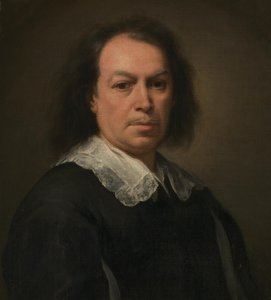
Bartolomé Esteban Murillo
1618 - 1682 , Spain
Quick Facts
- Artistic Movement Or Style: Baroque painting
- Artists Or Movements Influenced By This Artist:
- Gainsborough
- Greuze
- Artists Who Influenced This Artist:
- Zurbarán
- Jusepe de Ribera
- Date Of Birth: January 1, 1618
- Date Of Death: April 3, 1682
- Full Name: Bartolomé Esteban Murillo
- Nationality: Spanish
- Notable Artworks:
- The Immaculate Conception
- Young Beggar
- St. Jerome
- Place Of Birth: Seville, Spain

