 Preview
 Send
Send Share
Share
 Details

 Download
 Similars
 X-Ray
X-Ray Diaporama
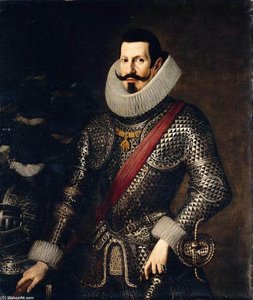
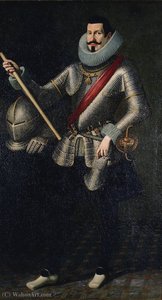
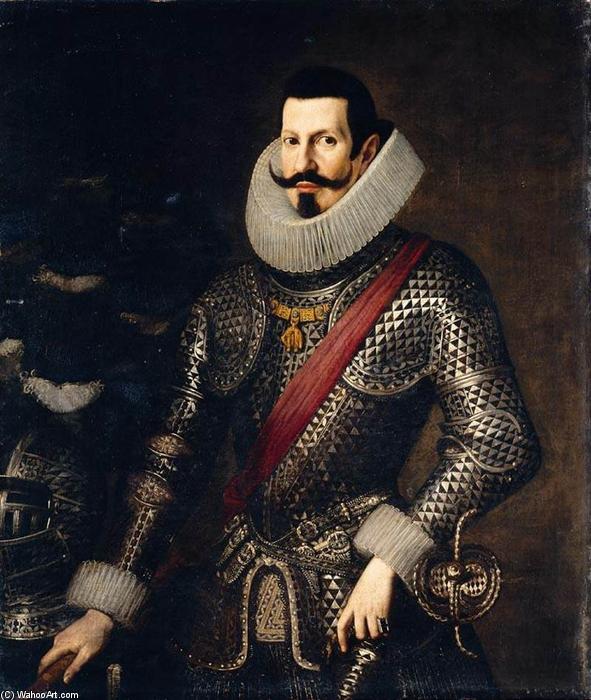
Portrait of a Gentleman
 1607
1607 115.0 x 98.0 cm
 Read More
Hand Made Oil Reproduction
Hand-painted oil on canvas in your size and frame, made to order by our artists. ( Buy Print Buy Image)




































Pick from our preset sizes that match the artwork's original proportions.

You may enter your own dimensions to fit a specific frame or space. If your selected size does not match the original image's proportions, we will either crop the artwork or extend the painting with additional hand-painted elements. A digital mockup will be sent for your approval before production begins.
Please note that the on-screen preview does not reflect the actual cropping or extension. Only the mockup will accurately show the final composition.
While custom sizes are available, we recommend selecting a dimension from the predefined list to preserve the original proportions.
After order, ArtsDot.com team will email client for instructions and provide a mockup preview
Worldwide Delivery () in 3/4 weeks instead of standard 5 weeks. (16 August). No compromise on quality.

Free Worldwide Express Shipping

High-Quality Linen Canvas

Full Shipping Insurance

Customs Tax Refund Guarantee

True Color Matching Guarantee

60-Day Return Policy (Defects Only)

100% Money-Back Guarantee

Bulk Discount Offer
 Glass option is only available in size under 110 CM

Portrait of a Gentleman
Reproduction Medium
Reproduction Size
-


Total Price
$ 263
Related Artworks
Artist Biography
Bartolomé González y Serrano: A Master of Royal Portraiture
Bartolomé González y Serrano (1564–1627) stands as a pivotal figure in the Spanish Baroque artistic landscape, renowned primarily for his prolific output of royal portraits—a genre that solidified his reputation as one of the era’s foremost artists and cemented his legacy within the annals of art history. His work embodies the stylistic convergence of Renaissance court traditions with burgeoning Mannerist tendencies, reflecting the intellectual currents shaping Europe during the seventeenth century.- Early Life & Training: Born in Valladolid, González’s formative years were marked by instruction under Patricio Cajés and Juan Pantoja de la Cruz—artists who themselves championed a refined aesthetic rooted in humanist ideals and masterful disegno technique. Cajés instilled in him a foundational understanding of classical principles, while Pantoja de la Cruz profoundly impacted his artistic sensibilities through the introduction of Mannerist innovations, particularly expressive handling of form and color.
- Madrid & The Royal Patronage: González’s relocation to Madrid in 1607 signaled a crucial juncture in his career. Immediately establishing himself within the royal court—a position vacated by Fabrizio Castello—he became inextricably linked with Philip III’s artistic ambitions, dedicating himself tirelessly to capturing the grandeur and solemnity of the monarchy through meticulously crafted portraits.
- Stylistic Characteristics: González's distinctive style is characterized by a deliberate restraint in facial expression, achieved through a technique known as *chiaroscuro*, where dramatic contrasts between light and shadow dominate the composition. This stylistic choice—a hallmark of Pantoja de la Cruz’s influence—served to convey dignity and composure, prioritizing psychological subtlety over flamboyant gesture. Furthermore, González's meticulous attention to detail extended beyond mere likeness; he painstakingly rendered opulent fabrics, jewelry, and decorative elements, mirroring the lavish tastes of the royal court.
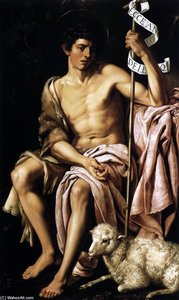
- Notable Works & Artistic Legacy: González’s oeuvre comprises approximately ninety-one portraits commissioned by Philip III—a staggering testament to his artistic prowess and unwavering devotion to royal patronage. Among his most celebrated achievements are depictions of Margarita Aldobrandini, Duchess of Parma—a masterpiece showcasing the artist's mastery of color and texture—and Saint John the Baptist, executed in 1621 at the Museum of Fine Arts, Budapest, demonstrating a sensitivity to religious iconography alongside technical virtuosity. His contribution to the Prado’s collection includes Rest on the Flight into Egypt (1627), furthering his reputation as a pivotal figure in Spanish Baroque art.
- Influence & Context: González's artistic trajectory was deeply intertwined with the broader intellectual and cultural milieu of his time—a period marked by fervent debates regarding humanist versus scholastic philosophy and fueled by an unprecedented interest in scientific observation. Like Pantoja de la Cruz, he embraced the Mannerist aesthetic championed by artists such as Tintoretto and Raphael, adapting these stylistic innovations to serve the demands of royal portraiture while upholding the traditions of Venetian painting.
bartolomé gonzález y serrano
1564 - 1627
Quick Facts
- Artistic Movement Or Style: Baroque
- Artists Or Movements Influenced By This Artist: ['Velázquez']
- Artists Who Influenced This Artist:
- Alonso Sánchez Coello
- Juan Pantoja de la Cruz
- Date Of Death: 1627
- Full Name: Bartolomé González y Serr.
- Nationality: Spanish
- Notable Artworks:
- Saint John the Baptist
- Rest on the Flight into Egypt
- Place Of Birth: Valladolid, Spain