

 Preview
 Send
Send Share
Share
 Details

 Download
 Similars
 X-Ray
X-Ray Diaporama
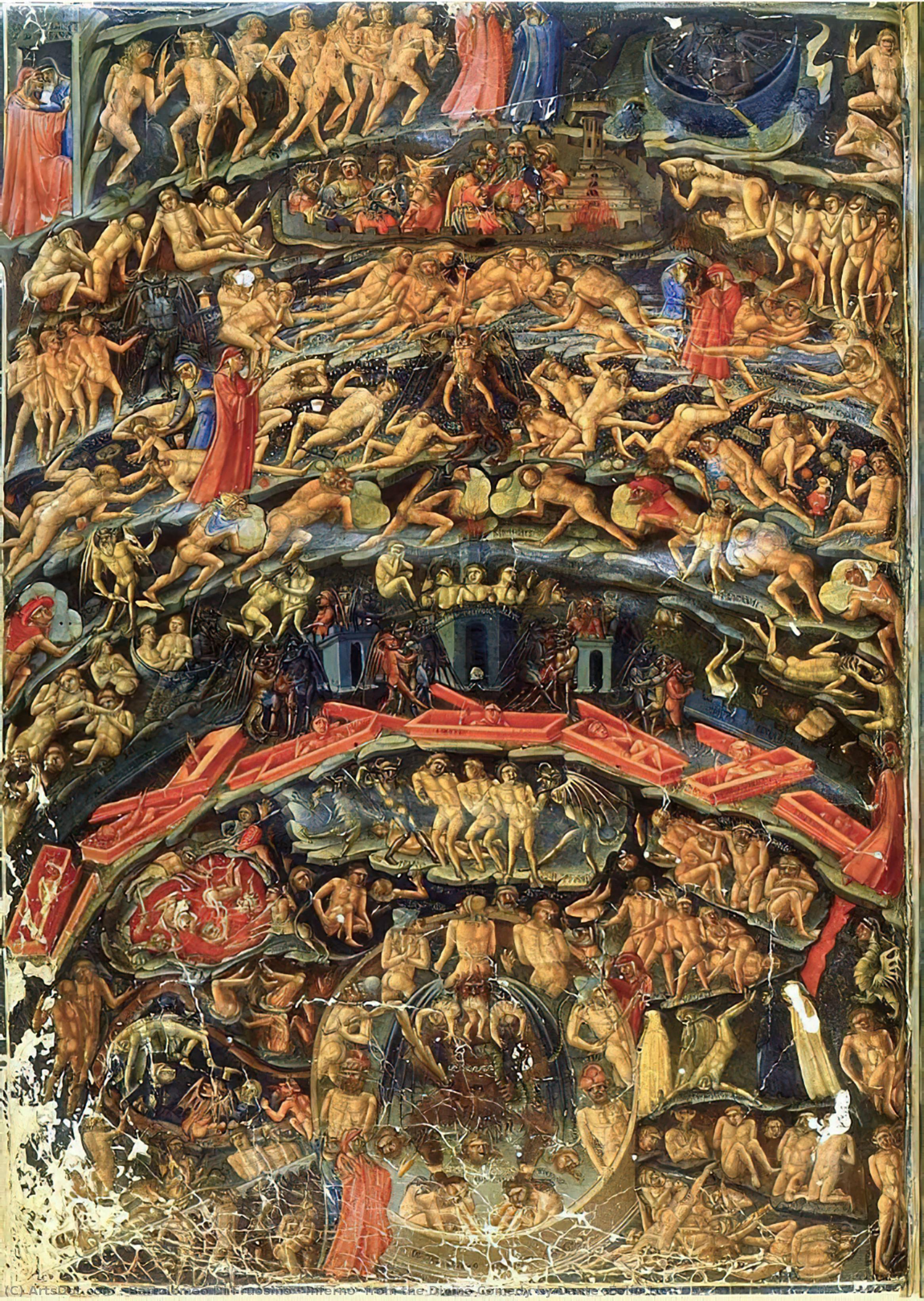
Inferno, from the Divine Comedy by Dante (Folio 1v)
 Acrylic On Canvas
- WallArt
- Early Renaissance
 1430
1430- Renaissance
 365.0 x 265.0 cm
 Bibliothèque Nationale
 Read More
Purchase a high-resolution, enhanced digital image, far superior to the online preview.
Each file is meticulously prepared by our in-house specialists using advanced tools and expert manual retouching. We ensure every image has exceptional clarity, precise color accuracy, and fine detail.
The final file is delivered via email within 72 hours, optimized for immediate use in professional, editorial, and print environments. This is the same quality trusted by top-tier design studios, publishers, and galleries.
Digital Image
Download a high-resolution file for personal display, printing, and creative projects. ( Buy Print Buy Hand Made Painting)
Included in Every Digital Image Order
Expert Digital Delivery, Guaranteed
When you choose ArtsDot.com, you're not just getting an image - you're receiving a professionally enhanced digital artwork, crafted with precision and backed by a satisfaction guarantee. Here's everything that comes with your order, automatically:

Fast Email Delivery
Your high-resolution digital image file will be emailed to you within 72 hours of ordering - ready for immediate use.

AI-Enhanced Digital File
Your artwork is professionally optimized using advanced AI tools and manual editing, ensuring maximum detail, clarity, and color accuracy.

Free Lifetime Re-Delivery
Accidentally deleted or lost your file? No worries - we'll resend it to you anytime, free of charge.

No Import Fees - Ever
Enjoy your artwork instantly with zero customs, duties, or delivery fees - digital downloads are always tax-free.

Color Accuracy Guarantee
We ensure your digital image reflects the original colors as closely as possible using professional tools and color management.

60-Day Satisfaction Guarantee
If you're not satisfied with your digital image, we'll revise it or refund 100% within 60 days - no questions asked.

100% Money-Back Guarantee
Not satisfied? Get a full refund within 60 days of receiving your digital file - no questions asked.

Bulk Order Discounts
Buy 3 images, save 10% - Buy 5, save 15% - Buy 10+, save 20%. Great for creative projects, galleries, and agencies.
A Descent into Eternal Torment: The Drama of Dante's Inferno
To stand before this monumental depiction of Inferno, from the Divine Comedy by Dante (Folio 1v) is to confront the very abyss of human experience. Painted in 1430 by Bartolomeo di Fruosino, this canvas transcends mere illustration; it is a visceral journey into the depths of divine retribution and eternal suffering. The sheer scale—a breathtaking 365 x 265 cm—commands attention, enveloping the viewer in its dramatic scope. One feels not as an observer, but as a participant caught within Dante’s terrifying vision, where the boundaries between art, literature, and theology dissolve into one overwhelming spectacle of sin and consequence.
Mastery of Early Renaissance Technique and Composition
Di Fruosino's command over tempera on canvas is evident in every tormented gesture and every richly rendered architectural detail. The technique itself speaks to the burgeoning confidence of the early Italian Renaissance, marrying meticulous craftsmanship with profound narrative ambition. Observe how the artist utilizes color not merely for decoration, but as a psychological tool; the deep, enveloping blue background serves to heighten the contrast against the raw reds and golds that stain the scene—colors synonymous with passion, violence, and damnation. The composition is anything but static. It pulses with kinetic energy, guiding the eye through the chaotic arrangement of figures caught in various states of agonizing punishment.
Symbolism Woven into Suffering
The painting functions as a complex theological map. Every nude figure, every contorted body, embodies a specific transgression detailed within Dante’s epic poem. The architectural elements—the arches and columns suggesting a hellish underworld—frame the narrative, giving structure to chaos. These are not random depictions of suffering; they are symbolic manifestations of moral failing. For the modern collector or admirer of art history, this piece offers an unparalleled window into medieval cosmology filtered through the sophisticated lens of Quattrocento artistry. It forces contemplation on the nature of sin and the weight of human choice.
An Emotional Resonance for the Modern Space
While its subject matter is undeniably harrowing, the emotional impact of this work is one of profound drama—a dramatic tension that can elevate any grand interior space. For those seeking a piece with undeniable narrative power, or who appreciate the confluence of literature and high art, this reproduction offers an unparalleled focal point. It speaks to the enduring human fascination with the sublime and the terrifying. Owning a representation of Inferno is not simply decorating; it is curating a conversation about morality, genius, and the eternal struggle for the soul.
Related Artworks
Artist Biography
Bartolomeo di Fruosino (1366 - 1441): A Florentine Master of Light and Shadow
Bartolomeo di Fruosino, born in Florence around 1366, stands as a pivotal figure within the Florentine Renaissance art scene—a painter whose meticulous craftsmanship and profound understanding of humanist ideals cemented his place among the era’s most celebrated artists. While definitive biographical details remain elusive due to conflicting accounts regarding his age (estimates vary between 61 and 64), his unwavering dedication to artistic excellence is undeniable, shaping a legacy that continues to inspire admiration centuries later. His brother, Giovanni Fruosino, was equally accomplished as a sculptor, suggesting a familial tradition of artistic endeavor within the influential Florentine guild of Saint Luke.- Early Life and Guild Membership: Bartolomeo’s formal training began in 1394 when he joined the guild of Saint Luke—a cornerstone institution fostering artistic innovation and patronage—under the tutelage of Agnolo Gaddi, a renowned sculptor and fellow guild member. This association provided invaluable access to artistic knowledge and established connections within Florence's vibrant cultural landscape.
- Commissioned Works: Fruosino’s prolific output is evidenced by numerous commissions undertaken during his lifetime, notably his involvement in the ambitious design project for the Cappella del Sacro Cingolo—the Holy Ring Chapel—within Prato Cathedral. This undertaking demanded exceptional skill and collaborative effort, showcasing Fruosino's ability to contribute to monumental artistic endeavors.
- The Hospital of Saint Mary: Between 1402 and 1438, Bartolomeo received substantial patronage from the Hospitale Maggiore di San Marco—Florence’s largest hospital—resulting in a series of stunning frescoes adorning its walls. These paintings exemplify Fruosino's mastery of perspective and color theory, reflecting the humanist preoccupation with naturalism and conveying profound spiritual themes.
Influences and Artistic Style
Fruosino’s artistic vision was undeniably shaped by Lorenzo Monaco—a Florentine humanist painter who championed classical ideals and advocated for a restrained aesthetic characterized by clarity of form and luminous color palettes. This influence is particularly apparent in Fruosino's illumination work, notably the 1421 Missal of San Giorgio, where he skillfully employed techniques reminiscent of Monaco’s style—emphasizing subtle gradations of tone and prioritizing spiritual contemplation over elaborate ornamentation. His meticulous attention to detail and masterful handling of pigment demonstrate a deep appreciation for artistic tradition while simultaneously pushing boundaries toward innovative expression.Notable Achievements
Bartolomeo di Fruosino's enduring fame rests upon his contribution to Florentine art history—primarily through his monumental frescoes within the Hospital of Saint Mary, which stand as testaments to Renaissance artistic excellence. Furthermore, his illumination work—particularly the Missal of San Giorgio—represents a pinnacle of medieval manuscript painting, showcasing unparalleled artistry and conveying profound spiritual significance. His works are housed in prestigious institutions such as the Metropolitan Museum of Art, Galleria dell’Accademia, and San Marco Cathedral, ensuring that Fruosino's artistic legacy continues to captivate audiences worldwide.Legacy
Bartolomeo di Fruosino’s influence extends beyond his individual creations—he served as a mentor and inspiration for subsequent generations of Florentine artists. His unwavering commitment to humanist principles—expressed through his art—contributed significantly to the flourishing intellectual and artistic environment of the Renaissance, solidifying his position as one of Florence's foremost masters and securing his place within the annals of Western art history.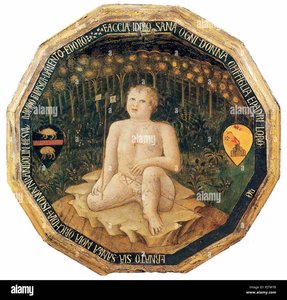
Bartolomeo di Fruosino
1366 - 1441 , Italy
Quick Facts
- Artistic Movement Or Style: Renaissance Art
- Artists Or Movements Influenced By This Artist: ['Florence']
- Artists Who Influenced This Artist: ['Lorenzo Monaco']
- Date Of Birth: Florence, Italy (1366)
- Date Of Death: 1441
- Full Name: Bartolomeo di Fruosino
- Nationality: Italian
- Notable Artworks:
- Desco da parto (recto)
- (1366 - 1441)
- Museo Nazionale di Villa Guinigi
- Place Of Birth: Florence

