 Preview
 Send
Send Share
Share
 Details

 Download
 Similars
 X-Ray
X-Ray Diaporama
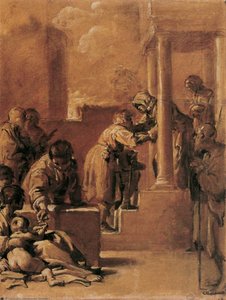
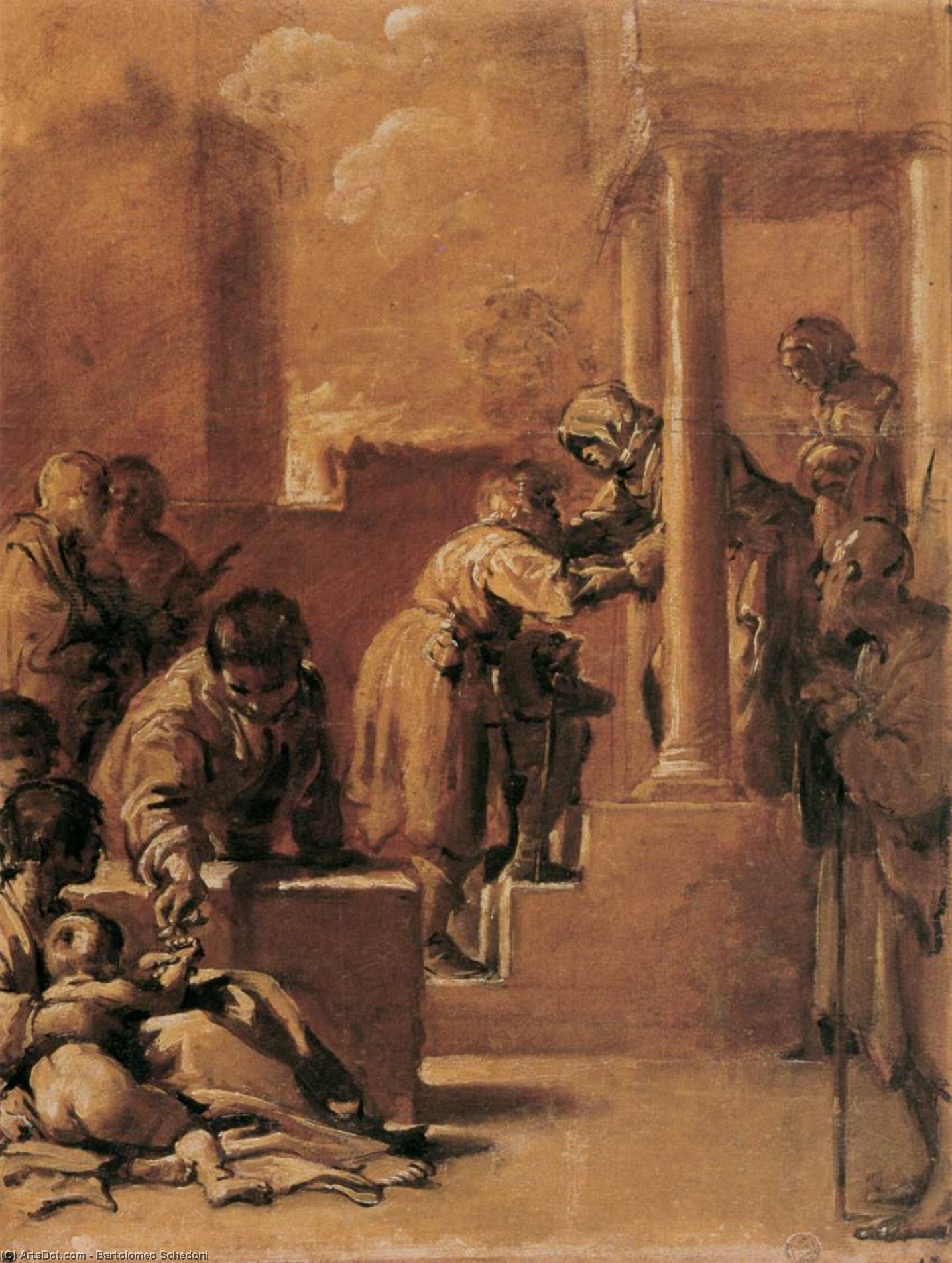
The Meeting of St Anne and Joachim at the Golden Gate
 Oil
Oil- WallArt
- Early Baroque
 Early Modern
 369.0 x 277.0 cm
 The Louvre
 Read More
Giclée / Art Print
Museum-quality giclée or canvas print with fast production and flexible finish options. ( Buy Hand Made Painting Buy Image)




P118B $10

P118H $10

P118W $10

P438Z $10

P508JH $12

P508YH $12

P805H $10

P805Z $10

P919BZ $10

P919G $10

P919XJ $10

P959ZH $10

P968JZ $12

W106C $8

W218G $10

W218JH $8

W218Y $10

W307PJ $10

W316G $10

W316PJ $8

W316Y $10

W398PJ $8

W4111J $10

W500HY $15

W500JH $15

W692G $12

W849H $8

W940BG $15

W953PJ $8




Pick from our preset sizes that match the artwork's original proportions.

You may enter your own dimensions to fit a specific frame or space. If your selected size does not match the original image's proportions, we will either crop the artwork or extend the image with a mirrored or solid-fill edge. A digital mockup will be sent for your approval before production begins.
Please note that the on-screen preview does not reflect the actual cropping or extension. Only the mockup will accurately show the final composition.
While custom sizes are available, we recommend selecting a dimension from the predefined list to preserve the original proportions.
Worldwide Delivery () in 2 weeks instead of standard 4/5 weeks. (6 September)

Free Worldwide Express Shipping

High-Quality Linen Canvas

Full Shipping Insurance

Customs Tax Refund Guarantee

True Color Matching Guarantee

100-Day Return Policy (Defects Only)

100% Money-Back Guarantee

Bulk Discount Offer
 Glass option is only available in size under 110 CM

The Meeting of St Anne and Joachim at the Golden Gate
Giclée / Art Print
Reproduction Size
-


Total Price
$ 63
A Divine Encounter Captured in Baroque Grandeur
In the sweeping expanse of Bartolomeo Schedoni’s The Meeting of St Anne and Joachim at the Golden Gate, the viewer is transported to a moment of profound spiritual significance. This monumental work, measuring an impressive 369 x 277 cm, captures the poignant instant when the holy figures of St Anne and Joachim reunite before the majestic architecture of the Golden Gate. The scene is far more than a mere historical reenactment; it is a choreographed dance of devotion and destiny. Schedulence’s mastery lies in his ability to weave together the monumental scale of the setting with the intimate, tender emotions shared between the two protagonists. As they stand close together, their connection serves as the emotional heartbeat of the composition, drawing the eye inward toward a narrative of reunion and divine grace.
The architectural backdrop provides a sense of timeless stability and grandeur. The presence of classical columns and structured buildings lends an air of permanence to the fleeting human emotion on display. Schedoni utilizes the surrounding environment to create depth and complexity, populating the scene with various figures that populate the foreground and background. These secondary characters, some engaged in quiet observation and others moving through the periphery, add a layer of social realism to the sacred event. The inclusion of everyday elements—a bench near the center, a chair to the left, and a dining table to the right—grounds this celestial meeting in a tangible, earthly reality, making the miraculous feel accessible and profoundly human.
The Mastery of Light and Early Baroque Technique
As an artist emerging from the vibrant traditions of Parma and influenced by his early training under Federico Zuccari, Schedoni demonstrates a sophisticated command over light and shadow. The painting utilizes a technique that anticipates the dramatic intensity of the Baroque era, where light does not merely illuminate but actively sculpts the figures and the environment. This interplay of luminosity and shadow creates a sense of volume and presence, making the textures of fabric and the coldness of stone feel remarkably lifelike. For the discerning collector or interior designer, this technique offers a dynamic visual experience that changes with the ambient light of a room, providing a focal point that commands attention through its sheer atmospheric depth.
The composition is meticulously balanced, guiding the observer’s gaze through a labyrinth of architectural lines and human gestures. Schedoni’s ability to manage such a large-scale canvas without losing the intimacy of the subject matter is a testament to his technical prowess. The subtle use of color and the careful arrangement of figures around central objects create a rhythmic flow that keeps the viewer engaged in a continuous loop of discovery. Whether viewed as a piece of religious history or a masterpiece of compositional design, this artwork offers an unparalleled sense of drama and elegance, making it an exquisite choice for those looking to infuse a space with historical weight and artistic sophistication.
Related Artworks
Artist Biography
The Visionary of Parma: The Life and Legacy of Bartolomeo Schedoni
Bartolomeo Schedoni remains one of the most compelling, yet enigmatic, figures of the early Italian Baroque. Born in Modena in 1578, his journey into the world of fine art began not with a brush, but through the intricate craftsmanship of his father’s mask-making trade. This early immersion in the theatrical and the ornamental provided him with a unique perspective on spectacle and character, a foundation that would later manifest in the dramatic intensity of his paintings. His talent quickly propelled him toward the heart of the Italian Renaissance's twilight, leading him to Rome in 1595. It was here, under the tutelage of Federico Zuccari, that Schedoni began to refine his technical prowess, eventually securing the prestigious patronage of Ranuccio I Farnese, Duke of Parma. This connection to the Farnese court would become the cornerstone of his professional identity, anchoring his career within the most influential artistic circles of the era.A Mastery of Light and Shadow
The evolution of Schedoni’s style is a testament to his profound engagement with the masters who preceded him. While historical accounts occasionally debate his exact training, there is a palpable connection to the revolutionary techniques of Annibale Carracci and the luminous grace of Correggio. His work serves as a bridge between the soft, ethereal qualities of the late Renaissance and the burgeoning, high-contrast drama of the Baroque. Schedoni became a master of chiaroscuro, utilizing stark, theatrical contrasts between light and dark to sculpt forms and evoke deep emotional responses. This technique allowed him to imbue his figures with a sense of weight and presence, often characterized by angular drapery and a somber, contemplative atmosphere. His ability to manipulate light was not merely a technical feat but a narrative tool, used to guide the viewer's eye through complex compositions and toward the spiritual heart of his subjects.Monumental Achievements and Artistic Impact
Throughout his brief but impactful career, Schedoni left behind works that continue to resonate with their emotional depth and structural grandeur. One of his most significant achievements was his collaboration with Ercole dell’Abate on the monumental ceiling fresco for the Sala del Consiglio Vecchio in Parma’s Palazzo Comunale, a project that solidified his reputation as a premier decorator of civic and religious spaces. His individual masterpieces, such as the 1607 commission “La Speranza” (The Charity), demonstrate his ability to weave complex theological narratives into visually arresting compositions. Through these works, Schedoni contributed to a pivotal moment in art history where the stability of the Renaissance gave way to the movement and tension of the Baroque. Though his life was tragically cut short by illness in 1615, his influence endured, leaving an indelible mark on the artistic landscape of Parma and the broader trajectory of Italian painting.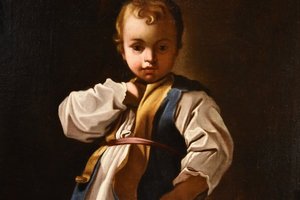
Bartolomeo Schedoni
1578 - 1615 , Italy
Quick Facts
- Artistic Movement Or Style: Early Baroque
- Artists Or Movements Influenced By This Artist: ['Caravaggio']
- Artists Who Influenced This Artist:
- Federico Zuccari
- Ludovico Carracci
- Correggio
- Date Of Birth: 1578
- Date Of Death: 23 December 1615
- Full Name: Bartolomeo Schedoni
- Nationality: Italian
- Notable Artworks:
- Holy Family in Glory worshipped by ss John the Baptists
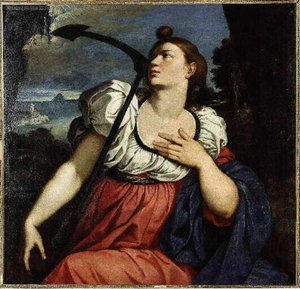
- The Charity
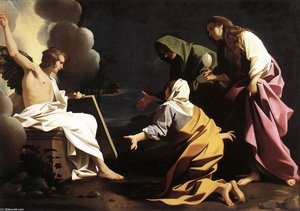
- The Two Marys at the Tomb
- Place Of Birth: Modena, Italy
Related Articles

Baroque Masterpieces: 10 Paintings That Defined an Era |
Journey through the drama & grandeur of Baroque art! Explore 10 masterpieces by Caravaggio, Rembrandt, Rubens & more. Discover stunning oil paintings, rich colors & timeless stories. Find museum-quality reproductions at .

Baroque Drama: Bringing Opulence & Emotion into Contemporary Interiors
Explore the opulent world of Baroque interior design! Discover key elements, modern applications & how to bring dramatic elegance into your home with 's authentic reproductions.

The Dramatic Flourish: Exploring the Baroque Movement's Enduring Legacy in Art History
Explore the dramatic world of Baroque art! Discover iconic artists like Caravaggio & Rubens, defining techniques, and its lasting impact on art history. Expert insights for collectors & enthusiasts at ArtsDot.

Golden Age Reflections: Dutch Baroque Painting & Cultural Innovation
Explore the Dutch Golden Age of painting! Discover key artists like Vermeer & ter Borch, their innovative techniques, and the rich cultural context behind these Baroque masterpieces. Learn about collecting & appreciating this iconic art period.
Baroque Painting's Greatest Hits: 10 Masterpieces for Your Home | ArtsDot
Journey through Baroque painting's glory! Explore 10 masterpieces by Caravaggio, Rembrandt & Vermeer. Discover dramatic lighting, rich colors & timeless stories. Find museum-quality art reproductions for your home at ArtsDot.com.