

 Preview
 Send
Send Share
Share
 Details

 Download
 Similars
 X-Ray
X-Ray Diaporama
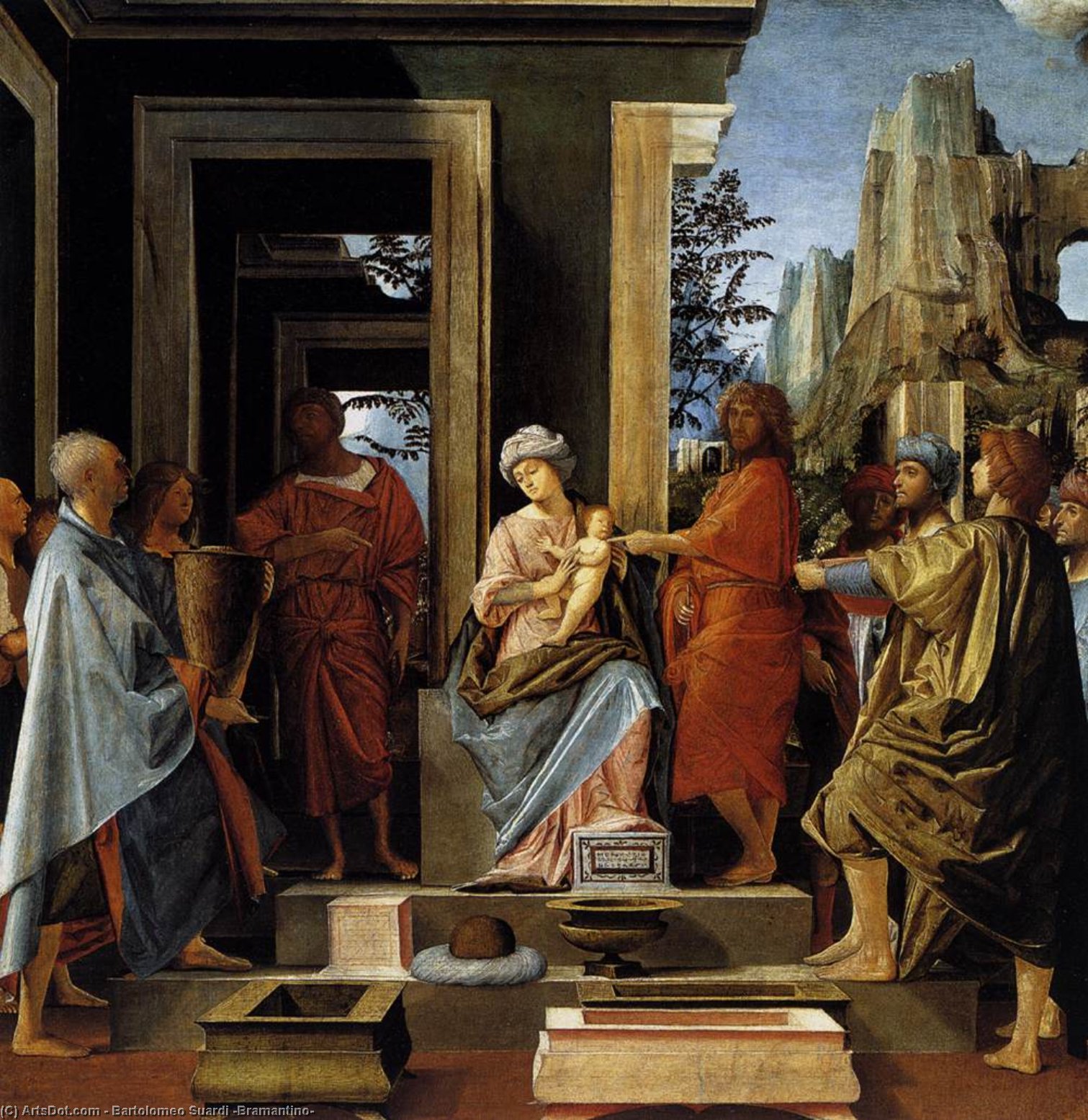
Adoration of the Magi
 Oil On Canvas
- WallArt
- Renaissance Classicism
 1498
1498- Renaissance
 56.0 x 55.0 cm
 National Gallery
 Read More
Purchase a high-resolution, enhanced digital image, far superior to the online preview.
Each file is meticulously prepared by our in-house specialists using advanced tools and expert manual retouching. We ensure every image has exceptional clarity, precise color accuracy, and fine detail.
The final file is delivered via email within 72 hours, optimized for immediate use in professional, editorial, and print environments. This is the same quality trusted by top-tier design studios, publishers, and galleries.
Digital Image
Download a high-resolution file for personal display, printing, and creative projects. ( Buy Print Buy Hand Made Painting)
Included in Every Digital Image Order
Expert Digital Delivery, Guaranteed
When you choose ArtsDot.com, you're not just getting an image - you're receiving a professionally enhanced digital artwork, crafted with precision and backed by a satisfaction guarantee. Here's everything that comes with your order, automatically:

Fast Email Delivery
Your high-resolution digital image file will be emailed to you within 72 hours of ordering - ready for immediate use.

AI-Enhanced Digital File
Your artwork is professionally optimized using advanced AI tools and manual editing, ensuring maximum detail, clarity, and color accuracy.

Free Lifetime Re-Delivery
Accidentally deleted or lost your file? No worries - we'll resend it to you anytime, free of charge.

No Import Fees - Ever
Enjoy your artwork instantly with zero customs, duties, or delivery fees - digital downloads are always tax-free.

Color Accuracy Guarantee
We ensure your digital image reflects the original colors as closely as possible using professional tools and color management.

60-Day Satisfaction Guarantee
If you're not satisfied with your digital image, we'll revise it or refund 100% within 60 days - no questions asked.

100% Money-Back Guarantee
Not satisfied? Get a full refund within 60 days of receiving your digital file - no questions asked.

Bulk Order Discounts
Buy 3 images, save 10% - Buy 5, save 15% - Buy 10+, save 20%. Great for creative projects, galleries, and agencies.
Collectible Description
Bartolomeo Suardi (Bramantino): A Singular Voice in Renaissance Milan
Bartolomeo Suardi, better known as Bramantino, stands as a singular figure in the artistic landscape of Renaissance Italy – specifically Milan. Born around 1465 in Milan itself, he emerged from a milieu steeped in architectural innovation and humanist ideals, profoundly shaping his artistic vision. While overshadowed by contemporaries like Leonardo da Vinci and Michelangelo, Bramantino’s meticulous approach to painting and his unwavering dedication to capturing the beauty of classical forms cemented his legacy as one of Milan's most important artists. His distinctive style blended influences from Piero della Francesca, Leonardo da Vinci, and Ercole de’ Roberti, resulting in a visual language characterized by serene stillness and geometric precision—a testament to his formative training under Donato Bramante. ### Early Life & Training: Shaping Artistic Foundations Little is known definitively about Suardi’s formative years. He apprenticed under Piero della Francesca, absorbing the principles of linear perspective and idealized representation – techniques that would become hallmarks of his oeuvre. This mentorship instilled in him a deep appreciation for mathematical accuracy combined with artistic sensitivity. The meticulous observation of natural forms and the masterful application of perspective were crucial to developing his distinctive aesthetic, mirroring the humanist ideals prevalent during his time. He was particularly drawn to the architectural innovations championed by Bramante, whose groundbreaking designs would inspire his own creative endeavors. ### The Style of Serene Classicism: Leonardo’s Influence Bramantino's artistic style evolved considerably throughout his career, reflecting a dynamic engagement with artistic trends and intellectual currents. However, he consistently adhered to the core tenets of serene classicism—a stylistic approach rooted in the idealized beauty of ancient Greece and Rome—influenced profoundly by Leonardo da Vinci. This influence manifested itself in several key aspects of his work: the use of geometric forms to create harmonious compositions; the careful rendering of drapery folds and anatomical detail; and a deliberate avoidance of dramatic emotional expression. Like Leonardo, Bramantino sought to capture not merely what was seen but also what could be conceived—a pursuit that resulted in paintings imbued with an aura of contemplative grandeur. ### Masterpieces: The Adoration of the Magi and Beyond Among Bramantino’s most celebrated works is the *Adoration of the Magi*, completed around 1495–98, housed in the National Gallery of London. This monumental painting exemplifies his mastery of perspective and architectural illusion—techniques honed during his apprenticeship with Donato Bramante. The scene depicts Mary holding her infant Jesus surrounded by three Magi bearing gifts of gold, frankincense, and myrrh, set against a mountainous backdrop that reinforces the grandeur of the biblical narrative. Notably, Bramantino employed Leonardo’s compositional strategies to create a sense of depth and spatial realism—a characteristic feature of his artistic vision. Furthermore, he skillfully utilized geometric forms to construct an architectural space that subtly directs the viewer's gaze toward the central figures, mirroring the humanist ideals of balance and harmony. Other notable paintings include *Madonna del palazzo della Ragione* (c. 1509) and *Saint Michael Altar*, demonstrating his unwavering commitment to capturing beauty and conveying profound spiritual contemplation. ### Legacy: An Architect’s Painter – Shaping Milan's Artistic Identity Beyond his artistic achievements, Bramantino played a pivotal role in shaping Milan’s architectural landscape during the Renaissance. He served as architect to Duke Francesco II Sforza, overseeing ambitious building projects that transformed the city into a center of artistic innovation and cultural prestige. His designs—characterized by elegant proportions and refined ornamentation—reflected the humanist spirit of his time and contributed significantly to Milan's enduring reputation as one of Italy’s most beautiful cities. Bramantino’s legacy extends beyond individual artworks; he embodies the transformative power of art to elevate human experience and inspire civic pride—a testament to his enduring influence on Italian Renaissance culture.Related Artworks







Artist Biography
Bartolomeo Suardi (Bramantino): A Milanese Master of Serene Classicism
Bartolomeo Suardi, better known as Bramantino, stands as a singular figure in the artistic landscape of Renaissance Italy – specifically Milan. Born around 1465 in Milan itself, he emerged from a milieu steeped in architectural innovation and humanist ideals, profoundly shaping his artistic vision. While overshadowed by contemporaries like Leonardo da Vinci and Michelangelo, Bramantino’s meticulous approach to painting and his unwavering dedication to capturing the beauty of classical forms cemented his legacy as one of Milan's most important artists.- Early Life & Training: Little is known definitively about Suardi’s formative years. He apprenticed under Piero della Francesca, absorbing the principles of linear perspective and idealized representation – techniques that would become hallmarks of his oeuvre. This mentorship instilled in him a deep appreciation for mathematical precision combined with artistic sensitivity.
- Milanese Architectural Patronage: Bramantino's career truly flourished during the reign of Ludovico Sforza, Milan’s formidable patron of the arts. He collaborated extensively on monumental architectural projects, notably the ambitious reconstruction of the Duomo – a project spearheaded by Leonardo da Vinci himself. Suardi’s role wasn’t merely decorative; he meticulously crafted detailed drawings and oversaw construction, demonstrating his mastery of both artistic conception and technical execution.
- Painting Style & Influences: Bramantino's distinctive style is characterized by an almost meditative serenity. Unlike the dramatic dynamism favored by many of his peers, he prioritized clarity of form and subtle tonal gradations—a deliberate echo of Leonardo’s compositional strategies. His paintings often depict religious subjects with a profound sense of stillness and grace, imbued with luminous colors reminiscent of Piero della Francesca's frescoes.
- Notable Works: Among Bramantino’s celebrated achievements are “Madonna and Child,” a poignant depiction of Mary cradling Jesus—a piece that exemplifies his masterful use of perspective and idealized beauty. Furthermore, "Adoration of the Magi," commissioned for private devotion, showcases his meticulous attention to detail and symbolic resonance, particularly the inclusion of John the Baptist as an adult figure.
- Legacy & Historical Significance: Bramantino’s contribution to Milanese art history is undeniable. He represents a crucial link between Florentine classicism and Venetian coloristic innovation—a synthesis that profoundly impacted artistic sensibilities throughout Europe. His architectural designs continue to inspire awe, and his paintings endure as testament to the enduring power of serene beauty and humanist contemplation.
Further Exploration
You can delve deeper into Bramantino’s artistry by examining reproductions of “Madonna and Child” at The Metropolitan Museum of Art (Madonna and Child) and "Adoration of the Kings" on Wikipedia (Adoration of the Kings (Bramantino)).
bartolomeo suardi (bramantino)
1465 - 1536 , Italy
Quick Facts
- Artistic Movement Or Style: Renaissance Classicism
- Artists Or Movements Influenced By This Artist: ['Piero della Francesca']
- Artists Who Influenced This Artist: ['Leonardo da Vinci']
- Date Of Birth: Milan, Italy (1465)
- Full Name: Bartolomeo Suardi
- Nationality: Italian
- Notable Artworks:
- Madonna and Child
- Adoration of the Kings
- Place Of Birth: Milan

