

 Preview
 Send
Send Share
Share
 Details

 Download
 Similars
 X-Ray
X-Ray Diaporama
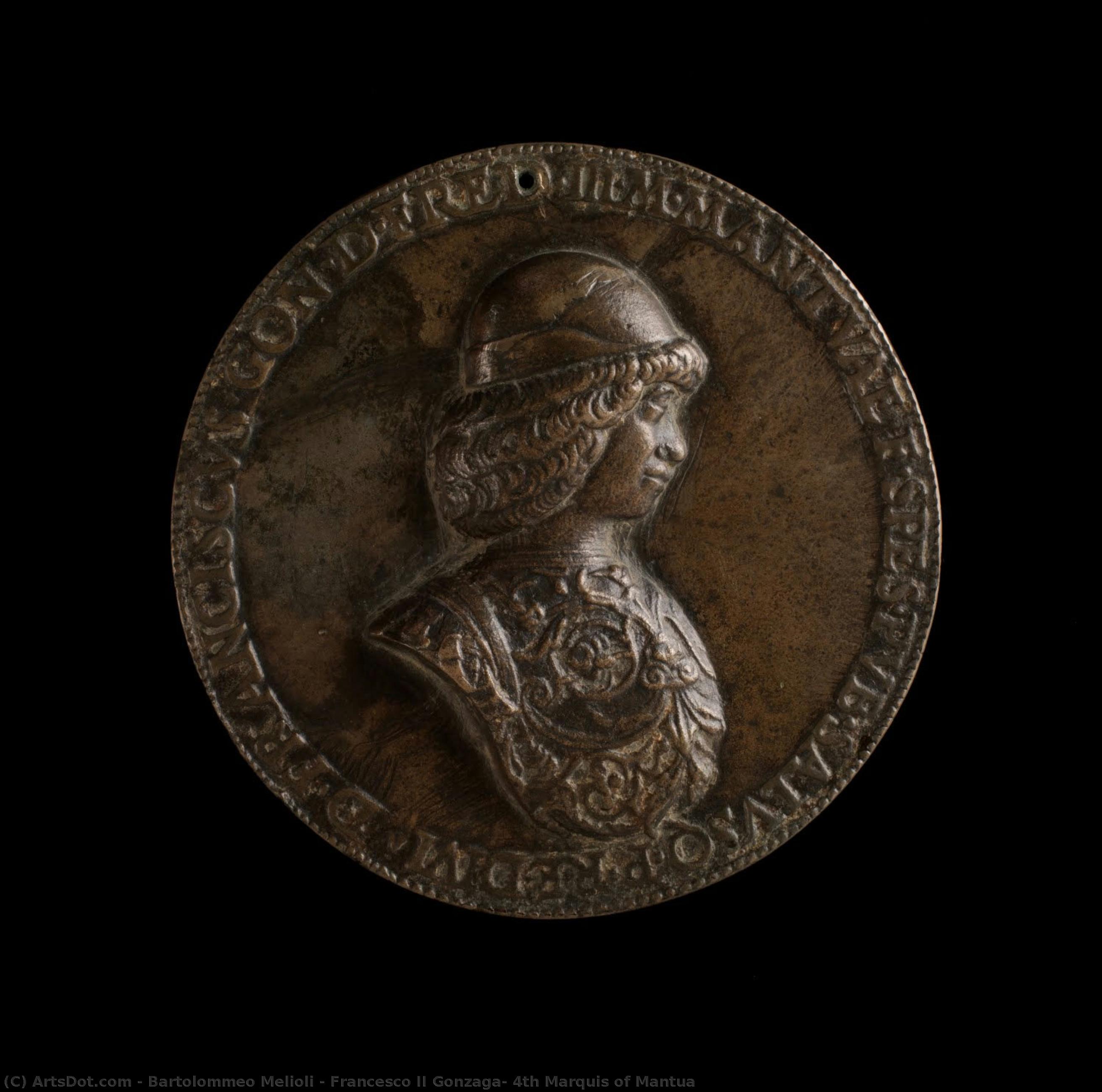
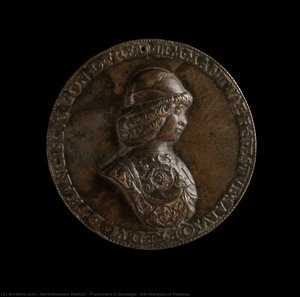
Francesco II Gonzaga, 4th Marquis of Mantua


 Read More
Purchase a high-resolution, enhanced digital image, far superior to the online preview.
Each file is meticulously prepared by our in-house specialists using advanced tools and expert manual retouching. We ensure every image has exceptional clarity, precise color accuracy, and fine detail.
The final file is delivered via email within 72 hours, optimized for immediate use in professional, editorial, and print environments. This is the same quality trusted by top-tier design studios, publishers, and galleries.
Digital Image
Download a high-resolution file for personal display, printing, and creative projects. ( Buy Print Buy Hand Made Painting)
Included in Every Digital Image Order
Expert Digital Delivery, Guaranteed
When you choose ArtsDot.com, you're not just getting an image - you're receiving a professionally enhanced digital artwork, crafted with precision and backed by a satisfaction guarantee. Here's everything that comes with your order, automatically:

Fast Email Delivery
Your high-resolution digital image file will be emailed to you within 72 hours of ordering - ready for immediate use.

AI-Enhanced Digital File
Your artwork is professionally optimized using advanced AI tools and manual editing, ensuring maximum detail, clarity, and color accuracy.

Free Lifetime Re-Delivery
Accidentally deleted or lost your file? No worries - we'll resend it to you anytime, free of charge.

No Import Fees - Ever
Enjoy your artwork instantly with zero customs, duties, or delivery fees - digital downloads are always tax-free.

Color Accuracy Guarantee
We ensure your digital image reflects the original colors as closely as possible using professional tools and color management.

60-Day Satisfaction Guarantee
If you're not satisfied with your digital image, we'll revise it or refund 100% within 60 days - no questions asked.

100% Money-Back Guarantee
Not satisfied? Get a full refund within 60 days of receiving your digital file - no questions asked.

Bulk Order Discounts
Buy 3 images, save 10% - Buy 5, save 15% - Buy 10+, save 20%. Great for creative projects, galleries, and agencies.
Related Artworks



Artist Biography
Bartolomeo Melioli: A Renaissance Sculptor of Subtle Majesty
The world of 15th-century Italian sculpture often presents a dramatic, almost theatrical display of power and grandeur. Yet, within this vibrant landscape, Bartolomeo Melioli (c. 1481 – likely still living) carved a quietly distinguished niche for himself, primarily through his remarkable bronze portraits—particularly his iconic depiction of Francesco II Gonzaga, the 4th Marquess of Mantua. While overshadowed by some of his more flamboyant contemporaries, Melioli’s work reveals a profound understanding of human form and a masterful command of texture and detail, imbuing each piece with an understated elegance that continues to captivate viewers today.
Born in ArtsDot, Italy – the precise details of his early life remain frustratingly elusive, shrouded in the mists of historical record. What *is* known is that Melioli’s artistic journey began during the height of the Renaissance, a period characterized by an intense revival of classical ideals and a burgeoning interest in humanism. He apprenticed himself to the prestigious workshops of the time, absorbing techniques and stylistic influences from masters like Donatello and Verrocchio. However, unlike many sculptors who sought to emulate these giants directly, Melioli developed his own distinctive approach – one characterized by an exquisite sensitivity to light, shadow, and the subtle nuances of expression.
Melioli’s most celebrated work, the bronze portrait of Francesco II Gonzaga (circa 1481), exemplifies this artistic philosophy. The sculpture isn't a bombastic celebration of power; instead, it presents a remarkably introspective image of the marquess. The pose is deliberately relaxed, suggesting a moment of quiet contemplation. Melioli’s meticulous attention to detail—the delicate folds of the clothing, the subtle wrinkles around the eyes, the almost imperceptible hint of a smile – creates an illusion of life and immediacy. The use of *stiacciato*, a technique involving subtly raised areas to create depth and texture, further enhances this effect, giving the bronze surface a remarkable tactile quality.
Beyond the Gonzaga portrait, Melioli’s oeuvre includes numerous medals, often depicting prominent figures of his time – including other members of Mantuan nobility. These medals demonstrate his skill in capturing likenesses with astonishing accuracy and conveying personality through subtle gestures and facial expressions. Interestingly, Melioli also worked extensively in bronze, producing a range of smaller sculptures, likely intended for private commissions or devotional settings. His work during this period reveals an exploration of the medium’s capabilities, showcasing his ability to create both monumental and intimate pieces.
The Influence of Renaissance Ideals
Melioli's artistic development was deeply rooted in the prevailing intellectual currents of the Renaissance. The rediscovery of classical art and philosophy profoundly influenced Italian sculptors, encouraging them to strive for greater realism and humanism in their work. Melioli embraced this shift, moving beyond the stylized representations of medieval sculpture towards a more naturalistic approach. He studied ancient Roman sculptures, meticulously analyzing their proportions, anatomy, and expressive qualities. This knowledge informed his own artistic practice, allowing him to create portraits that were both aesthetically pleasing and psychologically insightful.
Furthermore, Melioli’s work reflects the humanist ideals of the era, which emphasized the importance of individual experience and emotion. Unlike medieval sculpture, which often depicted religious figures in a detached, symbolic manner, Melioli sought to capture the inner lives of his subjects. His portraits are not merely representations of physical appearance; they are attempts to convey the character, temperament, and even the emotions of those he sculpted.
Technique and Materials
Melioli’s mastery of bronze sculpture was a testament to his technical skill and artistic vision. He worked primarily with lost-wax casting, a complex process that involved creating a wax model, investing it in a ceramic shell, melting out the wax, and then pouring molten bronze into the mold. This technique allowed him to achieve an astonishing level of detail and precision.
Beyond his technical expertise, Melioli was also a skilled colorist. He used pigments to artificially patinate the bronze surfaces, creating subtle variations in tone and texture that enhanced the realism of his sculptures. The use of *stiacciato* – as seen in the Gonzaga portrait – further contributed to this effect, adding depth and visual interest to the surface.
Legacy and Historical Significance
Despite the relative obscurity surrounding his life, Bartolomeo Melioli’s contribution to Renaissance sculpture is undeniable. His portraits—particularly the iconic depiction of Francesco II Gonzaga—are considered masterpieces of their time, admired for their technical skill, psychological insight, and understated elegance. His work stands as a reminder that true artistry often lies not in grand gestures or dramatic displays, but in the quiet observation of human nature and the skillful manipulation of materials.
Today, Melioli’s sculptures are housed in prestigious collections around the world, including the Metropolitan Museum of Art. His legacy continues to inspire artists and scholars alike, cementing his place as a significant figure in the history of Italian sculpture. The ongoing research into his life and work promises to shed further light on this enigmatic artist and his remarkable achievements.
bartolommeo melioli
Italy
Quick Facts
- Artistic Movement Or Style: Renaissance Sculpture
- Full Name: Bartolomeo Melioli
- Nationality: Italian
- Notable Artworks: ['Francesco II Gonzaga']
- Place Of Birth: Italy

