 Preview
 Send
Send Share
Share
 Details

 Download
 Similars
 X-Ray
X-Ray Diaporama
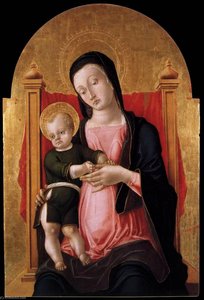
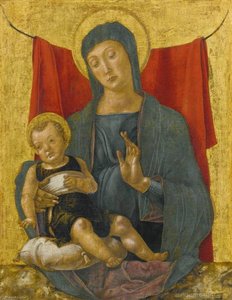
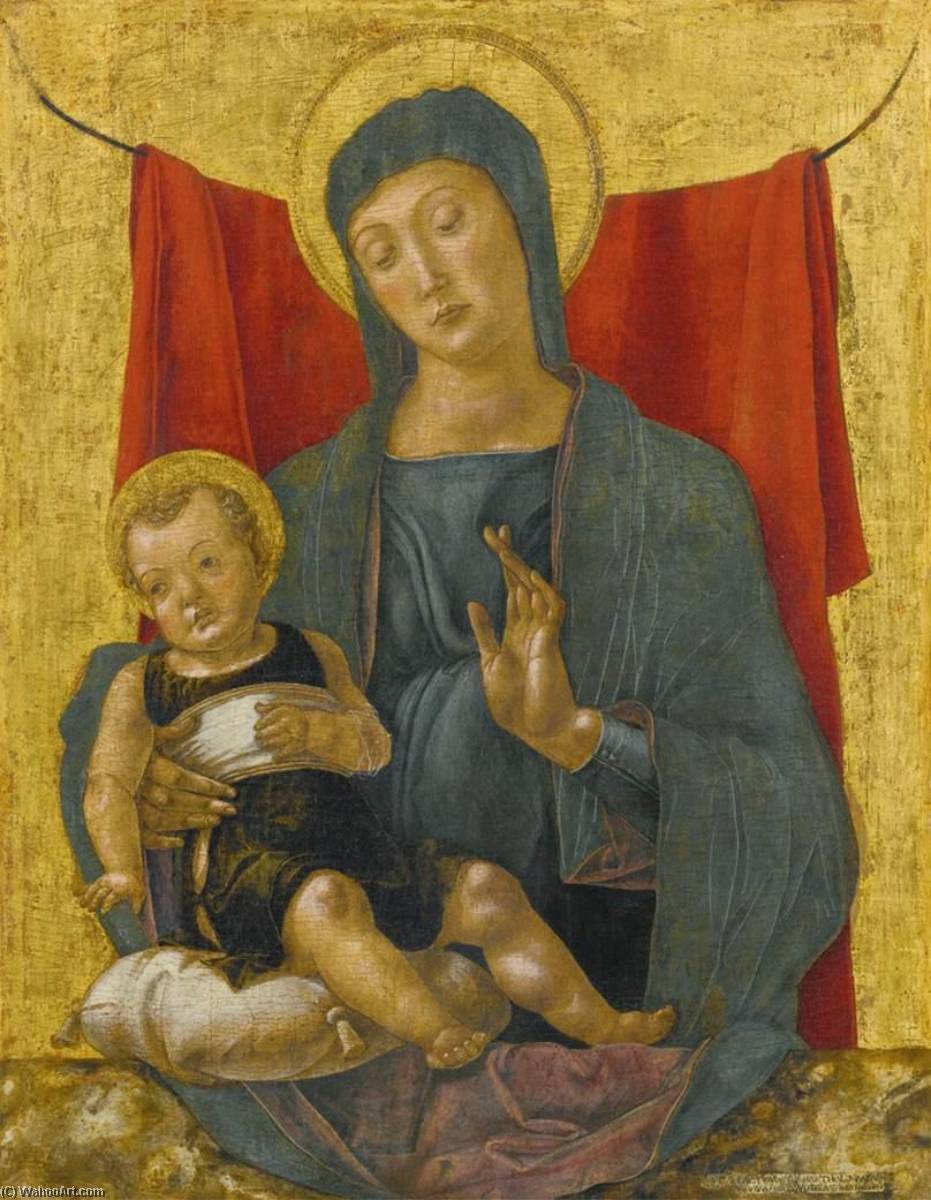
Madonna and Child Before a Red Curtain
 1472
1472 83.0 x 65.0 cm
 Read More
Giclée / Art Print
Museum-quality giclée or canvas print with fast production and flexible finish options. ( Buy Hand Made Painting Buy Image)




































Pick from our preset sizes that match the artwork's original proportions.

You may enter your own dimensions to fit a specific frame or space. If your selected size does not match the original image's proportions, we will either crop the artwork or extend the image with a mirrored or solid-fill edge. A digital mockup will be sent for your approval before production begins.
Please note that the on-screen preview does not reflect the actual cropping or extension. Only the mockup will accurately show the final composition.
While custom sizes are available, we recommend selecting a dimension from the predefined list to preserve the original proportions.
Worldwide Delivery () in 2 weeks instead of standard 4/5 weeks. (17 August)

Free Worldwide Express Shipping

High-Quality Linen Canvas

Full Shipping Insurance

Customs Tax Refund Guarantee

True Color Matching Guarantee

60-Day Return Policy (Defects Only)

100% Money-Back Guarantee

Bulk Discount Offer
 Glass option is only available in size under 110 CM

Madonna and Child Before a Red Curtain
Giclée / Art Print
Reproduction Size
-


Total Price
$ 63
Related Artworks

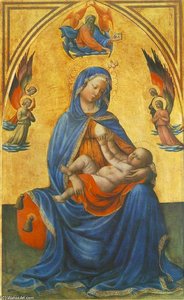
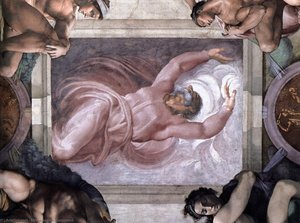
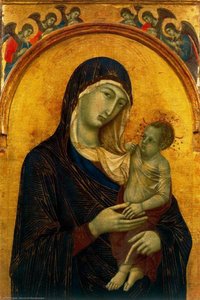
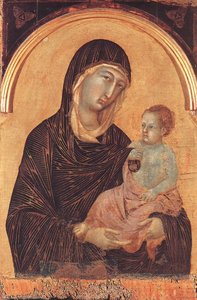
Artist Biography
Bartolomeo Vivarini: A Venetian Master of Faith and Form
Bartolommeo Vivarini, a name often whispered in the halls of Venetian art history, stands as a pivotal figure bridging the late Gothic and burgeoning Renaissance. Born around 1432 in Murano – a crucible of glassmaking artistry – and tragically dying circa 1499, his life coincided with a period of dramatic transformation for Venice itself. More than just a painter, Vivarini was a key player in shaping the visual language of Venetian religious art, leaving behind a legacy defined by meticulous detail, vibrant color palettes, and a profound understanding of devotional symbolism.
Vivarini’s artistic journey began under the tutelage of his brother, Antonio Vivarini, a highly respected artist known for his innovative use of oil paint. This early influence proved crucial, as it exposed Bartolomeo to techniques that would later distinguish his work. However, unlike his brother's more restrained style, Bartolommeo was deeply impacted by the powerful and emotionally charged painting emanating from Padua – specifically, the circle surrounding Francesco Squarcione. This exposure fostered a greater emphasis on plasticity, volume, and a heightened sense of dramatic expression within his compositions.
The Conversano Polyptych: A Turning Point
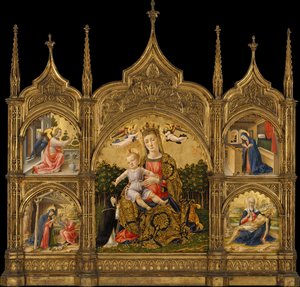
A prime example of this evolving style is the magnificent Conversano Polyptych (c. 1475-1480), currently housed in the Pinacoteca Comunale di Conversano, Italy. This monumental work represents a significant shift in Vivarini’s artistic approach. It showcases his mastery of color – rich reds, blues, and golds dominate the scene – alongside an increasingly sophisticated understanding of perspective and spatial arrangement. The polyptych depicts scenes from the life of Christ, interwoven with depictions of various saints and prophets, all rendered with remarkable detail and a palpable sense of devotional fervor.
The Conversano Polyptych is particularly noteworthy for its dynamic composition and the expressive faces of the figures. Vivarini’s use of light and shadow creates a dramatic effect, drawing the viewer's eye to key elements within the narrative. The meticulous rendering of clothing, jewelry, and architectural details further enhances the work’s visual impact, demonstrating his commitment to realism and technical skill.
Altarpieces for Venice: A Patron’s Vision
Throughout the 1470s and early 1480s, Vivarini was in high demand as a painter by Venetian patrons. He created several significant altarpieces for prominent churches within the city, including those in San Giovanni e Paolo, Santa Maria dei Frari, and San Giovanni in Bragora. These commissions provided him with opportunities to explore different themes and stylistic approaches, solidifying his reputation as one of Venice’s leading artists.
The altarpiece for San Giovanni e Paolo, completed in 1473, is a particularly striking example of Vivarini's work. It features a complex arrangement of figures, including depictions of the Virgin Mary holding the infant Jesus, alongside saints and prophets. The painting’s vibrant colors and intricate details create a visually stunning effect, reflecting the wealth and prestige of the church that commissioned it.
Influence and Legacy
Bartolommeo Vivarini's influence on Venetian art is undeniable. He helped to establish a new standard for religious painting in Venice, characterized by its meticulous detail, vibrant color palettes, and expressive figures. His work served as an inspiration for subsequent generations of Venetian artists, including his nephew, Alvise Vivarini, who continued to build upon his artistic legacy.
While often overshadowed by the more flamboyant styles of Antonello da Messina and Andrea Mantegna, Bartolommeo Vivarini’s contribution to Venetian art is profound. His paintings offer a glimpse into the religious beliefs and cultural values of 15th-century Venice, revealing a world of faith, beauty, and artistic innovation. His meticulous attention to detail and his ability to imbue his figures with a sense of humanity continue to captivate viewers today, ensuring that Bartolommeo Vivarini remains a vital figure in the history of Italian Renaissance art.
Quick Facts
- Artistic Movement Or Style: Venetian Renaissance
- Artists Or Movements Influenced By This Artist: ['Paduan painting']
- Artists Who Influenced This Artist: ['Francesco Squarcione']
- Date Of Birth: c. 1432
- Date Of Death: c. 1499
- Full Name: Bartolomeo Vivarini
- Nationality: Venetian
- Notable Artworks:
- Saint Damian
- Conversano Polyptych
- Altarpiece SS. Giovanni e Paolo
- Place Of Birth: Murano, Venice