 Preview
 Send
Send Share
Share
 Details

 Download
 Similars
 X-Ray
X-Ray Diaporama
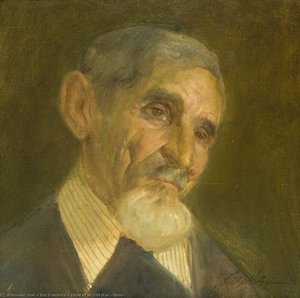
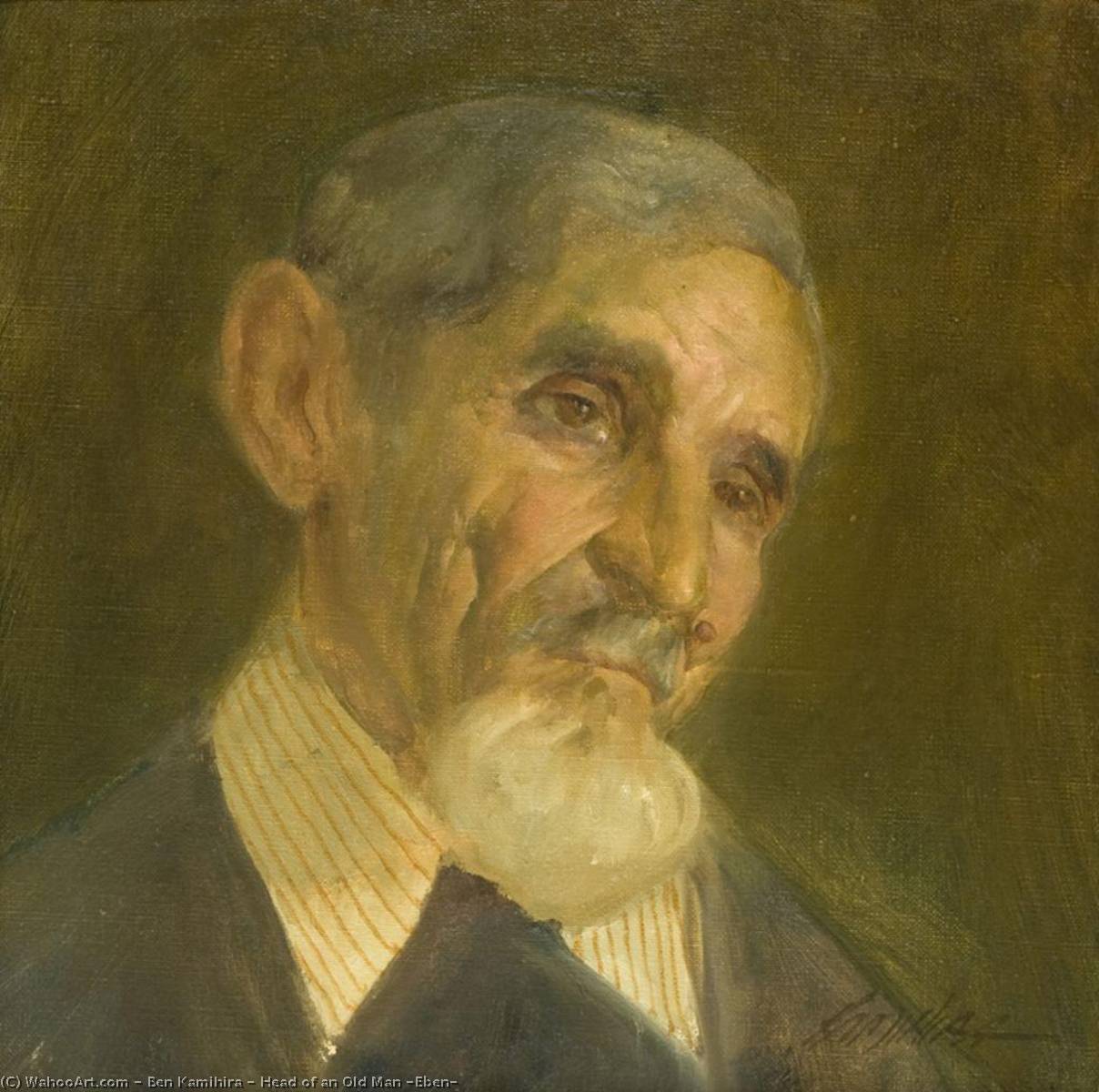
Head of an Old Man (Eben)
 1969
1969 31.0 x 31.0 cm
 Read More
Giclée / Art Print
Museum-quality giclée or canvas print with fast production and flexible finish options. ( Buy Hand Made Painting Buy Image)




































Pick from our preset sizes that match the artwork's original proportions.

You may enter your own dimensions to fit a specific frame or space. If your selected size does not match the original image's proportions, we will either crop the artwork or extend the image with a mirrored or solid-fill edge. A digital mockup will be sent for your approval before production begins.
Please note that the on-screen preview does not reflect the actual cropping or extension. Only the mockup will accurately show the final composition.
While custom sizes are available, we recommend selecting a dimension from the predefined list to preserve the original proportions.
Worldwide Delivery () in 2 weeks instead of standard 4/5 weeks. (24 August)

Free Worldwide Express Shipping

High-Quality Linen Canvas

Full Shipping Insurance

Customs Tax Refund Guarantee

True Color Matching Guarantee

60-Day Return Policy (Defects Only)

100% Money-Back Guarantee

Bulk Discount Offer
 Glass option is only available in size under 110 CM

Head of an Old Man (Eben)
Giclée / Art Print
Reproduction Size
-


Total Price
$ 63
Related Artworks



Artist Biography
Ben Kamihira: Bridging Tradition and Vision
Ben Kamihira (1925-2004) stands as a testament to artistic resilience and intellectual curiosity—a figure whose career unfolded against the backdrop of profound historical shifts, yet consistently pursued a singular aesthetic vision rooted in European masters and imbued with a distinctly American sensibility. Born in Yakima, Washington, to Japanese immigrant parents amidst the anxieties surrounding Pearl Harbor’s attack, Kamihira experienced firsthand the displacement and hardship inherent in wartime internment camps before embarking on a journey toward artistic fulfillment that would ultimately define his legacy. His formative years were marked by exposure to both rural landscapes and the burgeoning influence of European art movements. The drafting into the U.S. Army during World War II provided an unexpected catalyst for artistic exploration, culminating in service with the 442nd Regimental Combat Team—a unit comprised largely of Japanese American soldiers who distinguished themselves through extraordinary bravery and dedication on the Italian front. It was during this period that Kamihira encountered drawing instruction and gained firsthand appreciation for the transformative power of museums, shaping his artistic sensibilities profoundly. Following the war, Kamihira pursued formal education at the Art Institute of Pittsburgh (1946-1948) and subsequently enrolled at Pennsylvania Academy of Fine Arts (PAFA), where he honed his skills under the tutelage of Walter Stuempfig and Francis Speight. PAFA’s emphasis on classical tradition served as a crucial grounding for Kamihira's artistic development, fostering an understanding of compositional principles and stylistic nuances that would inform his subsequent work. He graduated in 1952 with honors, establishing himself as a faculty member at PAFA until his retirement in 1980—a role he embraced wholeheartedly, nurturing generations of aspiring artists and perpetuating the academy’s commitment to artistic excellence. Kamihira's early paintings explored still lifes and Philadelphia landscapes, reflecting both his immediate surroundings and an abiding fascination with capturing subtle nuances of light and texture. Recognizing his talent, Guggenheim Fellowships were awarded in 1956 and 1960, allowing him to immerse himself in the artistic milieu of Spain—a formative experience that yielded a monumental depiction of Christ commissioned by PAFA’s Lippincott Award—a work lauded for its masterful execution and evocative symbolism. Later, he served as Artist-in-Residence at Rice University, continuing his exploration of artistic concepts and furthering his engagement with contemporary art discourse. Throughout his prolific career, Kamihira consistently drew inspiration from Venetian masters like Veronese, Tintoretto, and Guardi—artists who championed dramatic lighting and opulent compositions—and from European Surrealism’s preoccupation with illogical viewpoints and dreamlike imagery. These influences manifested in his paintings as a deliberate effort to transcend mere representation, striving instead for an emotional resonance that captured the essence of human experience. His oeuvre comprises over 300 paintings and drawings, demonstrating a remarkable breadth of stylistic experimentation while maintaining a steadfast commitment to core artistic principles. Kamihira’s enduring contribution to American art lies not only in his technical prowess but also in his unwavering belief in the transformative potential of art—a conviction that continues to inspire artists and scholars alike.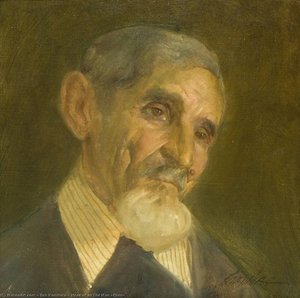
ben kamihira
1925 - 2004
Quick Facts
- Artistic Movement Or Style: Venetian masters & Surrealism
- Artists Or Movements Influenced By This Artist: ['European Surrealism']
- Artists Who Influenced This Artist:
- Walter Stuempfig
- Francis Speight
- Date Of Death: 2004
- Full Name: Ben Kamihira
- Nationality: American
- Notable Artworks: ['Deposition of Christ']
- Place Of Birth: Yakima, Washington