

 Send
Send Share
Share
 Details

 Download
 Similars
 Diaporama
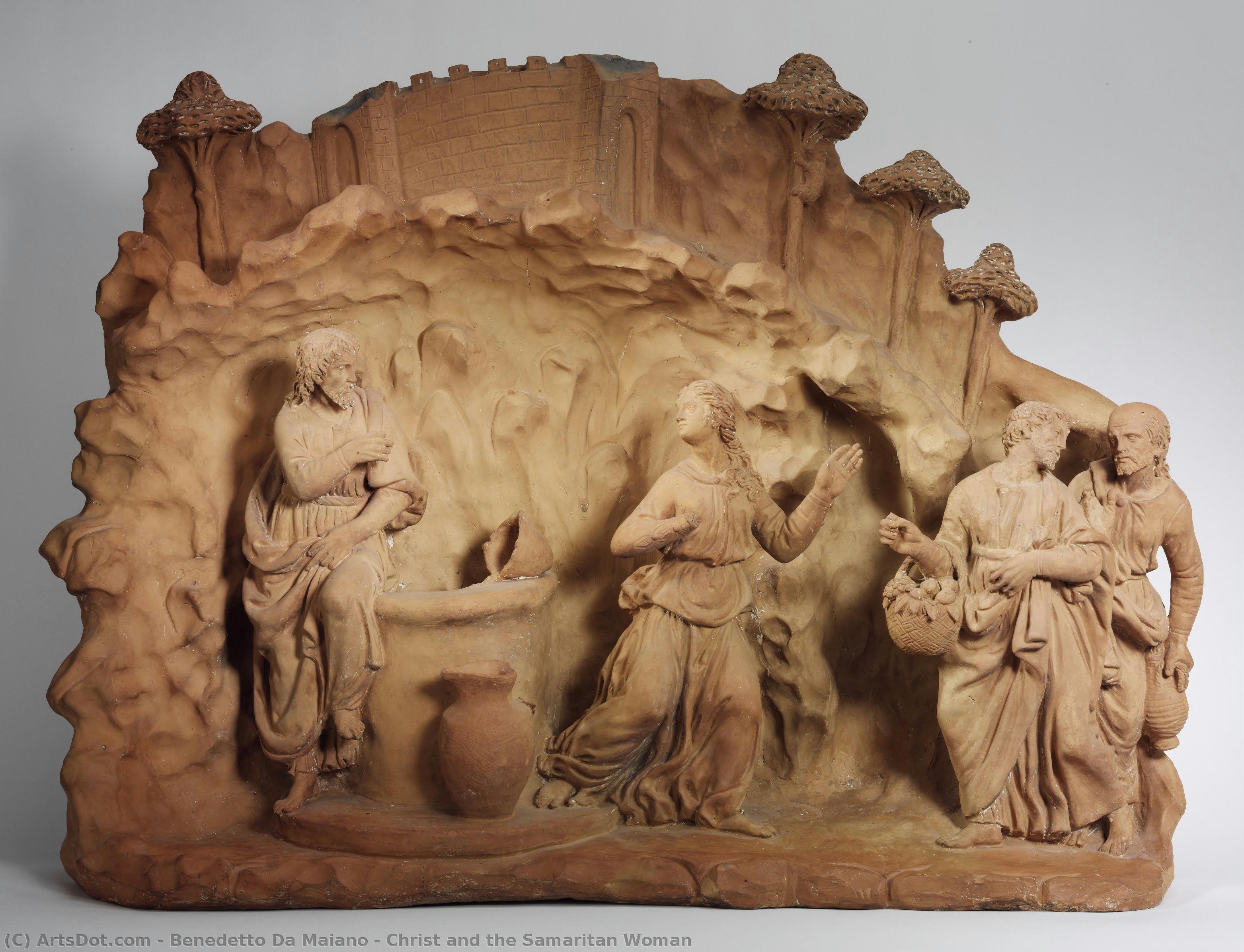
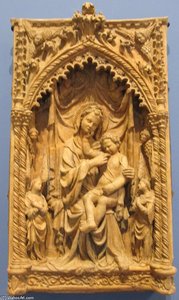
Christ and the Samaritan Woman
 Sculpture
- Sculpture
- Early Renaissance
 1400
1400- Renaissance
 50.0 x 67.0 cm
 Museum of Fine Arts
 Read More
Purchase a high-resolution, enhanced digital image, far superior to the online preview.
Each file is meticulously prepared by our in-house specialists using advanced tools and expert manual retouching. We ensure every image has exceptional clarity, precise color accuracy, and fine detail.
The final file is delivered via email within 72 hours, optimized for immediate use in professional, editorial, and print environments. This is the same quality trusted by top-tier design studios, publishers, and galleries.
Digital Image
Download a high-resolution file for personal display, printing, and creative projects. ( Buy Print Buy Hand Made Painting)
Included in Every Digital Image Order
Expert Digital Delivery, Guaranteed
When you choose ArtsDot.com, you're not just getting an image - you're receiving a professionally enhanced digital artwork, crafted with precision and backed by a satisfaction guarantee. Here's everything that comes with your order, automatically:

Fast Email Delivery
Your high-resolution digital image file will be emailed to you within 72 hours of ordering - ready for immediate use.

AI-Enhanced Digital File
Your artwork is professionally optimized using advanced AI tools and manual editing, ensuring maximum detail, clarity, and color accuracy.

Free Lifetime Re-Delivery
Accidentally deleted or lost your file? No worries - we'll resend it to you anytime, free of charge.

No Import Fees - Ever
Enjoy your artwork instantly with zero customs, duties, or delivery fees - digital downloads are always tax-free.

Color Accuracy Guarantee
We ensure your digital image reflects the original colors as closely as possible using professional tools and color management.

60-Day Satisfaction Guarantee
If you're not satisfied with your digital image, we'll revise it or refund 100% within 60 days - no questions asked.

100% Money-Back Guarantee
Not satisfied? Get a full refund within 60 days of receiving your digital file - no questions asked.

Bulk Order Discounts
Buy 3 images, save 10% - Buy 5, save 15% - Buy 10+, save 20%. Great for creative projects, galleries, and agencies.
Collectible Description
The Encounter at the Well: A Renaissance Meditation
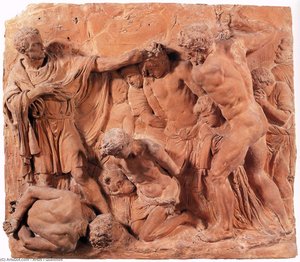
To gaze upon this sculpture of Christ and the Samaritan Woman is to step directly into a moment suspended in time—a profound intersection of faith, curiosity, and divine grace. Benedetto da Maiano has masterfully captured not merely a biblical narrative, but the very essence of human connection under the watchful eye of eternal truth. The scene unfolds around the central well, an ancient source of life both literal and spiritual. Observe the intricate interplay between the figures: Christ, embodying gentle authority, engaging with the Samaritan woman whose presence introduces a layer of cultural tension into this sacred exchange. The surrounding figures—the men observing from the periphery—add depth to the drama, suggesting that even in moments of intimate revelation, humanity remains an audience.
Mastery in Marble: Technique and Form
Benedetto da Maiano’s command over his medium is breathtaking. This piece showcases a remarkable technical skill characteristic of the Early Renaissance masters. The carving itself suggests a deep understanding of anatomy and drapery; the folds of the garments fall with naturalistic weight, giving each figure a palpable sense of presence. While we admire the detailed rendering of the well structure and the accompanying vase on the left, it is the emotional resonance etched into the faces that truly elevates the work. The sculptor has managed to imbue cold stone with warmth, allowing the viewer to feel the subtle tension in their postures and the weight of unspoken dialogue.
Symbolism Woven into Stone
The symbolism inherent in this subject matter is rich for contemplation. The well itself functions as a potent symbol—the source of physical sustenance, yet more deeply, the conduit to spiritual life. Christ’s offering of "living water" transcends mere hydration; it speaks to salvation and divine knowledge. Furthermore, the interaction between Christ and the Samaritan woman carries layers of historical and theological significance, inviting viewers to contemplate themes of acceptance across divides—be they cultural, religious, or social. Every element, from the placement of the figures to the very act of drawing water, becomes a meditation on humanity's perennial search for meaning.
A Touch of Tuscan Serenity in Your Space
Bringing this piece into your home or gallery is to invite a dialogue between classical art and contemporary life. The serene yet dramatic quality of Benedetto da Maiano’s work lends an air of cultured contemplation to any interior setting. Whether displayed as a centerpiece sculpture or reproduced for decorative impact, its narrative power remains undiminished. It serves not just as ornamentation, but as a focal point for reflection—a quiet reminder of profound human encounters and the enduring quest for spiritual fulfillment.
Related Artworks


Artist Biography
A Sculptor of Grace: The Life and Art of Benedetto da Maiano
Benedetto da Maiano, born in the idyllic Tuscan village of Maiano in 1446, emerged from a family deeply rooted in the artistic traditions of Florence. His father, Stefano da Maiano, was a respected sculptor, and it was within his workshop that Benedetto received his initial training, laying the foundation for a career that would see him become one of the most sought-after sculptors of the Early Renaissance. Unlike many artists who apprenticed under established masters in bustling city centers, Benedetto’s early education took place amidst the relative tranquility of the countryside, perhaps contributing to the serene and refined quality that characterizes his work. While details of his formative years remain scarce, it is clear that he quickly absorbed not only the technical skills of sculpting but also a keen appreciation for classical forms and naturalistic representation. He wasn’t merely learning *how* to sculpt; he was developing an aesthetic sensibility attuned to beauty, harmony, and emotional depth.From Family Workshop to Independent Master
Benedetto's path diverged from the typical trajectory of a workshop assistant when his father passed away in 1459. He inherited the family business, but rather than continuing solely in his father’s style, Benedetto began forging his own artistic identity. His early commissions were primarily local, focusing on decorative elements for churches and private residences around Florence. However, it was his growing reputation for exquisite marble carving that soon attracted more significant patronage. By the 1470s, he had established himself as an independent master with a workshop of his own, undertaking increasingly ambitious projects. This period marked a crucial transition in Benedetto’s career – from inheriting a legacy to actively shaping one. He began to experiment with new techniques and compositions, demonstrating a growing confidence and originality that set him apart from his contemporaries. His work during this time reveals an increasing influence from artists like Donatello and Verrocchio, but he never simply imitated their styles; instead, he synthesized these influences into something uniquely his own.The Chapel of St. Fina: A Testament to Devotion
Benedetto da Maiano’s most celebrated achievement is undoubtedly the decoration of the Chapel of St. Fina in the Collegiate Church of San Gimignano. Commissioned by the wealthy merchant family, the Riccardi, this chapel stands as a breathtaking example of Renaissance sculpture and architectural integration. Begun around 1475 and completed over several years, the chapel’s marble reliefs depict scenes from the life of St. Fina, a young girl revered for her piety and miraculous healing. What distinguishes Benedetto's work here is not merely its technical virtuosity – the delicate rendering of drapery, the expressive faces of the figures, the dynamic compositions – but also its profound emotional resonance. The reliefs are imbued with a sense of tenderness and compassion, conveying the saint’s suffering and faith with remarkable sensitivity. The use of *stiacciato*, a shallow relief technique pioneered by Donatello, allows Benedetto to create a subtle interplay of light and shadow, enhancing the three-dimensionality of the figures and adding depth to the narrative. The chapel is not simply a collection of sculpted panels; it’s an immersive environment designed to evoke piety and inspire devotion.Portraiture and Architectural Contributions
Beyond his religious works, Benedetto da Maiano excelled in portrait sculpture, capturing the likenesses of prominent Florentine citizens with remarkable realism and psychological insight. His portraits are characterized by a refined elegance and attention to detail, reflecting the humanist ideals that were prevalent during the Renaissance. He moved beyond simply representing physical features; he sought to convey the inner character and social status of his sitters. His busts often feature intricate hairstyles and elaborate clothing, indicative of the wealth and sophistication of the patrons. Furthermore, Benedetto was a skilled architect, contributing to several building projects in Florence and Tuscany. He designed facades, altars, and decorative elements for churches and palaces, demonstrating a versatility that extended beyond sculpture. His architectural work often incorporated sculpted reliefs and ornaments, seamlessly integrating his artistic skills across different mediums.Legacy and Historical Significance
Benedetto da Maiano’s untimely death in 1497 at the age of just 51 marked a significant loss for the Florentine art world. Although his career was relatively short, he left behind a body of work that profoundly influenced subsequent generations of sculptors. His refined style, characterized by grace, elegance, and emotional depth, became a model for artists seeking to capture the beauty and harmony of the Renaissance ideal.- His emphasis on naturalistic representation and expressive faces helped to advance the development of portrait sculpture.
- The Chapel of St. Fina remains a masterpiece of Renaissance art, inspiring awe and devotion centuries after its completion.
- Benedetto’s ability to seamlessly integrate sculpture and architecture demonstrated his versatility and artistic vision.

benedetto da maiano
1446 - 1497 , Italy

