 Preview
 Send
Send Share
Share
 Details

 Download
 Similars
 X-Ray
X-Ray Diaporama
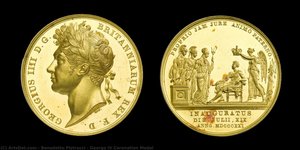
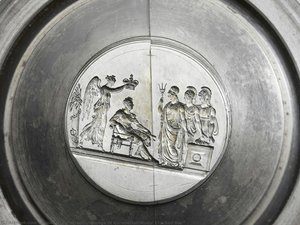
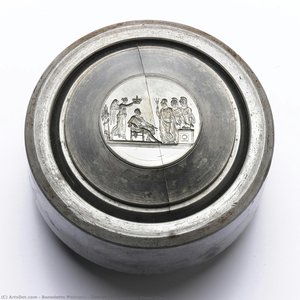
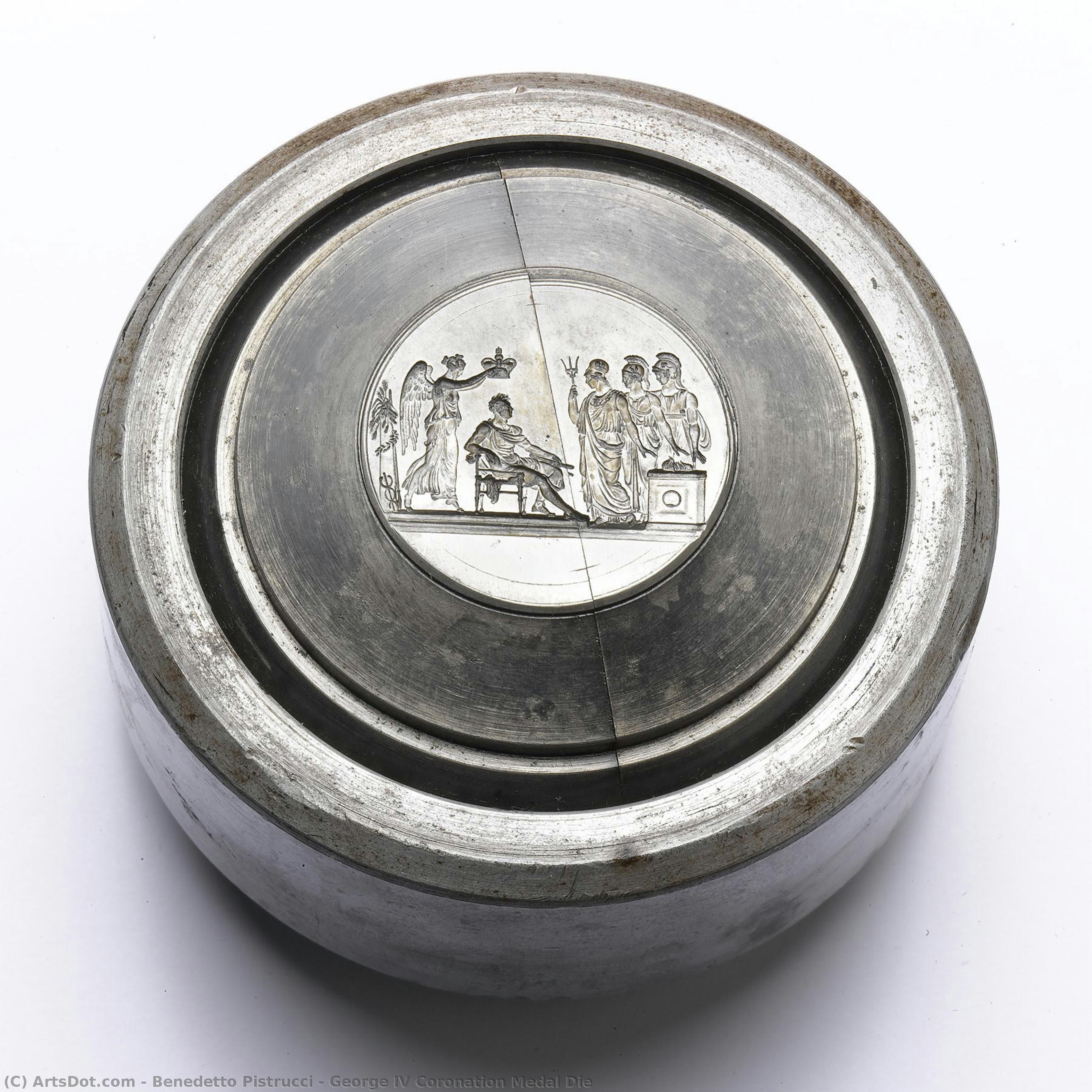
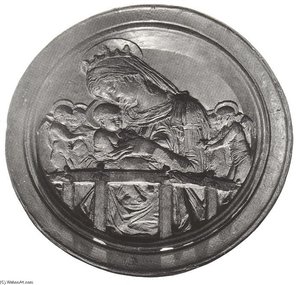
George IV Coronation Medal Die


 Read More
Hand Made Oil Reproduction
Hand-painted oil on canvas in your size and frame, made to order by our artists. ( Buy Print Buy Image)




































Pick from our preset sizes that match the artwork's original proportions.

You may enter your own dimensions to fit a specific frame or space. If your selected size does not match the original image's proportions, we will either crop the artwork or extend the painting with additional hand-painted elements. A digital mockup will be sent for your approval before production begins.
Please note that the on-screen preview does not reflect the actual cropping or extension. Only the mockup will accurately show the final composition.
While custom sizes are available, we recommend selecting a dimension from the predefined list to preserve the original proportions.
After order, ArtsDot.com team will email client for instructions and provide a mockup preview
Worldwide Delivery () in 3/4 weeks instead of standard 5 weeks. (24 August). No compromise on quality.

Free Worldwide Express Shipping

High-Quality Linen Canvas

Full Shipping Insurance

Customs Tax Refund Guarantee

True Color Matching Guarantee

60-Day Return Policy (Defects Only)

100% Money-Back Guarantee

Bulk Discount Offer
 Glass option is only available in size under 110 CM

George IV Coronation Medal Die
Reproduction Medium
Reproduction Size
-


Total Price
$ 388
Related Artworks







Artist Biography
Benedetto Pistrucci: Sculptor of Majesty and Emblematic Coinage
Benedetto Pistrucci (May 29, 1783 – September 16, 1855) stands as a singular figure in nineteenth-century British artistic history—a sculptor whose reputation soared alongside the creation of one of Britain’s most iconic coins: the Saint George Sovereign. Born in Rome to an aristocratic family steeped in artistic tradition, Pistrucci embarked on his artistic journey early, studying briefly with prominent sculptors before establishing himself as a freelance engraver at just fifteen years old. This youthful independence foreshadowed a career marked by both prodigious talent and persistent frustration, shaping him into a craftsman who refused to emulate others and whose ambition ultimately collided with bureaucratic obstacles. His formative years instilled in Pistrucci a meticulous attention to detail and an unwavering commitment to artistic integrity—qualities that would define his distinctive style. Unlike many of his contemporaries, Pistrucci vehemently opposed copying the work of established artists, prioritizing originality above all else. This stance cemented his reputation as a visionary innovator within the neoclassical movement, favoring expressive realism over mere imitation. He honed his skills in cameo carving, producing breathtakingly lifelike sculptures from marble and alabaster—pieces that captured the grandeur of historical figures and mythological subjects with unparalleled accuracy. Commissions from royalty, including King George IV, propelled Pistrucci to international acclaim, securing him a place among Britain’s most celebrated sculptors of the era. Pistrucci's involvement with the Royal Mint proved particularly significant. Initially tasked by William Wellesley-Pole, Master of the Mint, to design new coinage—specifically the Saint George Sovereign—he quickly became instrumental in establishing the coin’s aesthetic standards. The sovereign, featuring a depiction of Saint George slaying the dragon, embodies Pistrucci's artistic vision: a monumental sculpture rendered in miniature, reflecting both classical ideals and Victorian sensibilities. However, the Mint’s decision to deny Pistrucci the position of Chief Engraver due to his lack of British citizenship represents a poignant anecdote—a testament to the limitations imposed upon artists by national boundaries. Despite this setback, Pistrucci continued his work at the Mint for decades, culminating in the creation of the Waterloo Medal in 1849 – a colossal undertaking that demanded extraordinary technical skill and artistic dedication. Sadly, its immense size precluded its successful striking, leaving Pistrucci’s magnum opus unfulfilled.- Notable Achievements: Pistrucci's contributions to British coinage are undeniable, particularly the Saint George Sovereign and Waterloo Medal. His cameo sculptures garnered considerable recognition during his lifetime.
- Influences: Classical sculpture served as a cornerstone of Pistrucci’s artistic training and profoundly impacted his stylistic choices.
The Saint George Sovereign: A Triumph of Miniature Sculpture
The Saint George Sovereign stands as Pistrucci's most enduring legacy—a coin that transcends mere monetary value to become a symbol of British patriotism and artistic excellence. Wellesley-Pole recognized Pistrucci’s exceptional talent immediately, commissioning him to oversee the design process for this ambitious project. Pistrucci skillfully adapted classical sculptural techniques to the constraints of coinage production, achieving remarkable detail and conveying profound emotion within a remarkably small format. The depiction of Saint George slaying the dragon—a motif drawn from medieval legend—became emblematic of Christian virtue and courage—values deeply cherished by Victorian society.Exploring Pistrucci’s Artistic Legacy
Further exploration into Pistrucci's oeuvre reveals a prolific sculptor whose works spanned diverse subjects, reflecting his intellectual curiosity and artistic versatility. His sculptures celebrated historical figures like George IV and Napoleon Bonaparte, capturing their likenesses with meticulous realism—a hallmark of neoclassical art. Moreover, Pistrucci’s dedication to craftsmanship extended beyond sculpture; he was also a skilled medallist, producing commemorative medals that honored significant events and individuals.A Biographical Sketch
Benedetto Pistrucci's life was marked by both artistic triumph and personal disappointment. Despite his unwavering commitment to originality and his considerable talent, bureaucratic hurdles—such as the refusal to grant him the Chief Engraver position—occasionally impeded his career advancement. Nevertheless, Pistrucci’s enduring contribution to British art—particularly his role in shaping the Saint George Sovereign and Waterloo Medal—solidifies his place among the most influential sculptors of the Victorian era.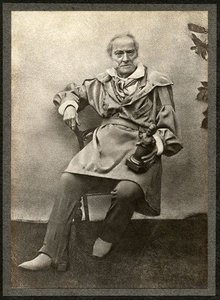
Benedetto Pistrucci
1783 - 1855 , Italy
Quick Facts
- Artistic Movement Or Style: Cameo Carving
- Artists Or Movements Influenced By This Artist: ['']
- Artists Who Influenced This Artist: ['']
- Date Of Birth: May 29, 1783
- Date Of Death: September 16, 1855
- Full Name: Benedetto Pistrucci
- Nationality: Italian
- Notable Artworks: ['Saint George & Waterloo Medal']
- Place Of Birth: Rome, Italy